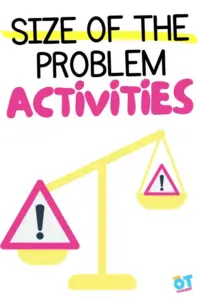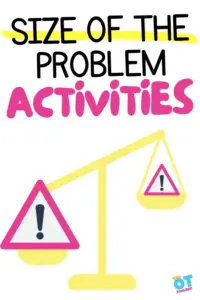








Educators, parents, and developmental specialists are increasingly turning to a social-emotional learning concept known as "Size of the Problem" to help children navigate daily challenges, build resilience, and develop critical executive functioning skills. Designed to bridge the gap between emotional reactions and environmental triggers, the approach equips young learners with the perspective-taking tools needed to match their emotional responses to the actual magnitude of the situations they encounter.
Developed as a practical method within educational and therapeutic settings, the concept addresses a common hurdle in childhood development: the tendency for children to experience overwhelming emotional reactions to minor inconveniences. By categorizing challenges into distinct tiers, adults can help children evaluate incidents objectively, fostering self-regulation, metacognition, and independent problem-solving.
Understanding the Framework
At its core, the Size of the Problem framework teaches children that challenges vary greatly in scale and that not every difficulty requires the same level of emotional energy or behavioral reaction. For instance, dropping a crayon during an art class represents a minor inconvenience that calls for a calm, brief response and a simple solution. Conversely, a family emergency or a major life transition constitutes a significant event requiring extensive adult support, emotional reassurance, and structured coping mechanisms.

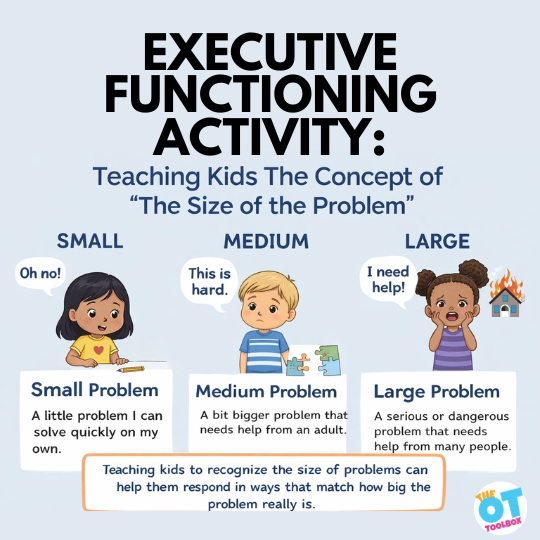
Children who struggle with emotional regulation often experience difficulty distinguishing between these extremes. A minor disruption can trigger an intense reaction, leading to frustration, meltdowns, or feelings of being overwhelmed. By utilizing the Size of the Problem concept, caregivers and educators provide children with a concrete visual and mental vocabulary to assess situations before reacting.
The methodology operates on the premise that experiencing strong emotions is entirely natural. Proponents emphasize that the strategy is not intended to dismiss a child’s feelings or invalidate their emotional experiences. Rather, it serves as a supportive tool to help children understand their internal states, accept their feelings, and subsequently develop a constructive game plan to address the issue at hand.
Categorizing Challenges: Small, Medium, and Large Problems
To make the abstract concept tangible for young learners, specialists typically divide problems into three distinct categories: small, medium, and large.
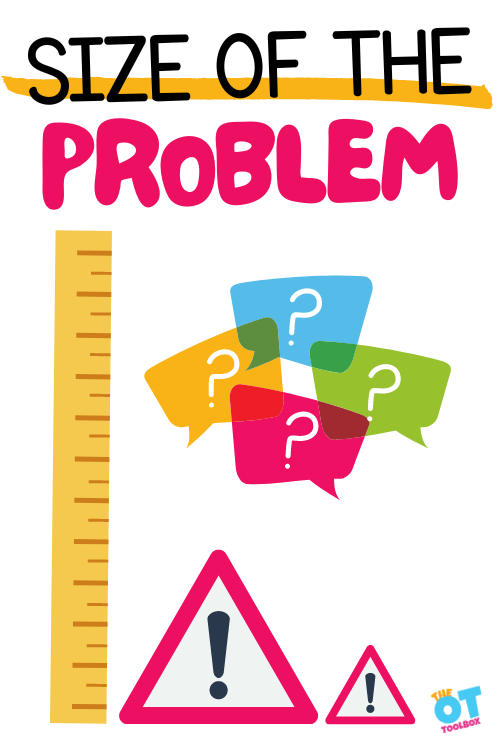
Small problems generally encompass everyday inconveniences that can be resolved quickly and independently. Examples include misplacing a remote control, dropping an item, or running out of a routine household ingredient. These occurrences may cause momentary frustration, but they lack long-lasting consequences. They offer ideal opportunities for children to practice managing minor disappointments and applying basic problem-solving strategies.
Medium problems involve situations that may require assistance from a peer or an adult, though they do not constitute emergencies. Disagreements with friends at recess or temporary disruptions in daily routines often fall into this category. While these events can provoke feelings of disappointment or stress, they can typically be resolved through effective communication and moderate support.
Large problems involve safety concerns, emergencies, or significant life events. These critical situations necessitate immediate adult intervention, emotional support, and intensive coping strategies.
Practical Applications at Home and School
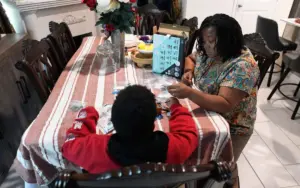
The versatility of the approach allows families and educators to implement the strategy across diverse environments, turning everyday occurrences into valuable learning moments. In domestic settings, routine disruptions—such as misplacing a required item for school or running late for a bus—provide natural laboratories for co-regulation. Parents can guide children through the emotional processing of these events, discussing affect, mood, and practical next steps without resorting to punitive measures.
In academic environments, educators utilize similar frameworks within classrooms and designated calm-down areas. Emotional check-ins and structured problem-sorting activities help students process academic setbacks, such as a missing assignment, or social hurdles, such as playground disagreements. By utilizing shared terminology around problem sizes, schools create a consistent environment that reinforces self-regulation and social participation.
Occupational therapists note that mastering these skills requires time and consistent practice, as executive functions develop progressively throughout childhood. Rather than policing a child’s initial emotional reaction, professionals advocate for accepting the child’s feelings and subsequently offering guided solutions for future scenarios. Through structured visuals, task cards, and targeted literature, children gradually learn to align their reactions with reality, ultimately fostering greater independence and emotional resilience in all areas of life.