








WASHINGTON, DC — ZERO TO THREE, the nation’s leading early childhood development nonprofit dedicated to ensuring that all infants and toddlers have a strong and healthy start in life, has expressed strong encouragement regarding President Biden’s proposed fiscal year 2025 budget. The organization notes that the federal blueprint includes essential and much-needed funding for a wide range of programs designed to build a solid foundation for young children and their families across the United States.
The announcement comes at a critical juncture for early childhood advocacy in the nation’s capital. For years, child development experts, pediatricians, and family advocates have emphasized that the earliest months and years of a child’s life shape their long-term cognitive, emotional, and physical trajectories. By targeting federal investments toward the very beginning of the developmental spectrum, the administration’s budget proposal seeks to address systemic challenges facing young families before those challenges become entrenched disparities.
Miriam Calderón, Chief Policy Officer at ZERO TO THREE, highlighted the sweeping and positive implications of the funding package laid out by the administration.

"If implemented, President Biden’s budget released today will make our nation a better and fairer nation to have and raise a baby," Calderón said. "ZERO TO THREE has urged Congress and the Administration to prioritize the needs of babies and their families in five key areas: maternal health, infant and early childhood mental health, child care, housing, and economic security."
Calderón pointed out that the administration’s latest budgetary priorities build directly upon themes articulated just days prior. During the State of the Union address, President Biden laid out a compelling path toward a future where working families are fully empowered and given genuine choices regarding their children’s care, education, and economic stability. The newly released fiscal year 2025 budget operationalizes that vision, translating broad policy goals into concrete funding mechanisms that address the multifaceted nature of early childhood development.
Child development research consistently demonstrates that a child’s environment during their first three years of life fundamentally alters neurological pathways and establishes the baseline for future learning and behavior. Consequently, advocates have long argued that federal budgets must reflect an understanding that investments in infants and toddlers yield some of the highest returns of any public expenditure. The President’s budget proposal aligns with this philosophy by incorporating targeted measures designed to bolster the systems and safety nets that families rely on during the vulnerable prenatal and postnatal periods.
Among the cornerstone priorities championed by ZERO TO THREE and reflected in broader early childhood advocacy discussions are maternal health initiatives. Ensuring that mothers have access to comprehensive prenatal and postpartum care is inextricably linked to infant survival, healthy birth weights, and long-term developmental outcomes. When mothers experience untreated health conditions, high stress, or economic insecurity during pregnancy, the impacts are frequently transmitted to the developing fetus and infant. By addressing maternal health within the federal budget, policymakers take a vital upstream step toward safeguarding the wellbeing of the next generation.

Simultaneously, the focus on infant and early childhood mental health represents a crucial evolution in how the public sector approaches developmental support. Historically, mental health interventions have focused heavily on school-aged children, adolescents, and adults. However, clinical and developmental experts increasingly recognize that infants and toddlers experience significant emotional distress, attachment disruptions, and developmental trauma. Providing adequate resources for infant mental health consultation and therapeutic interventions helps caregivers and early childhood professionals address emotional and behavioral challenges at their earliest, most malleable stages.
Child care infrastructure also remains a paramount concern for families with young children across the nation. The skyrocketing cost of high-quality infant and toddler care has forced many parents—particularly mothers—out of the workforce, creating acute economic strain for households while limiting children’s access to enriching, stimulating early learning environments. Federal support for child care systems helps stabilize an industry that has faced chronic underfunding and workforce shortages, ensuring that working families can secure reliable, safe care while pursuing employment or education.
Furthermore, housing stability and broader economic security are foundational elements that directly influence a baby’s developmental trajectory. Chronic housing instability, homelessness, and persistent poverty induce toxic stress in infants and toddlers, which can permanently impair brain development and immune function. By incorporating measures that address economic security and housing access, the proposed federal budget acknowledges that a child cannot thrive in isolation from the socioeconomic health of their household and community.
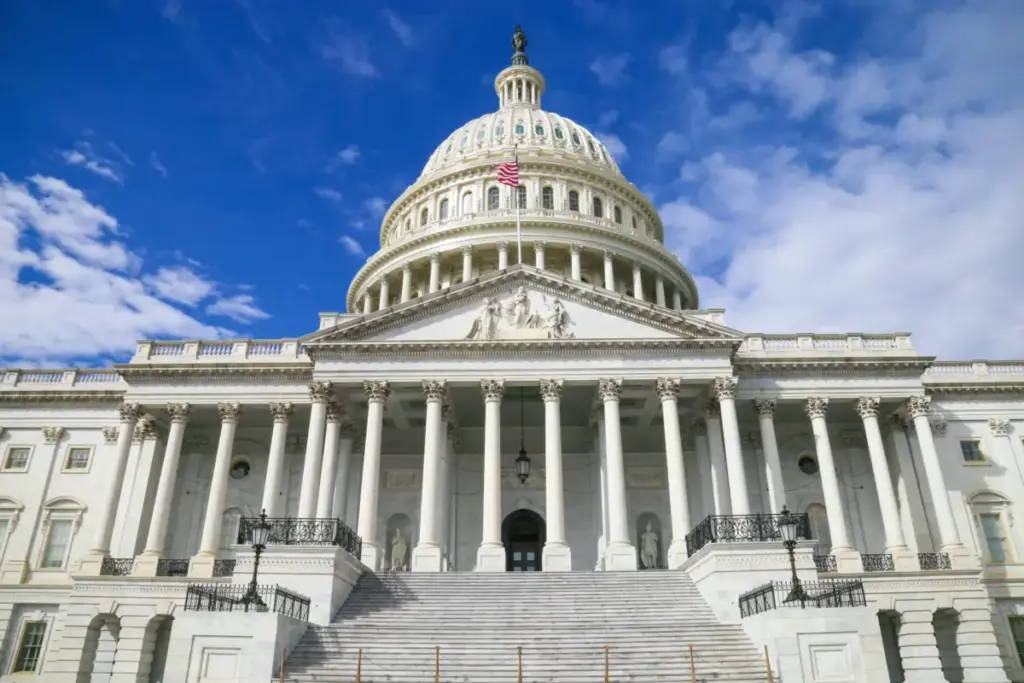
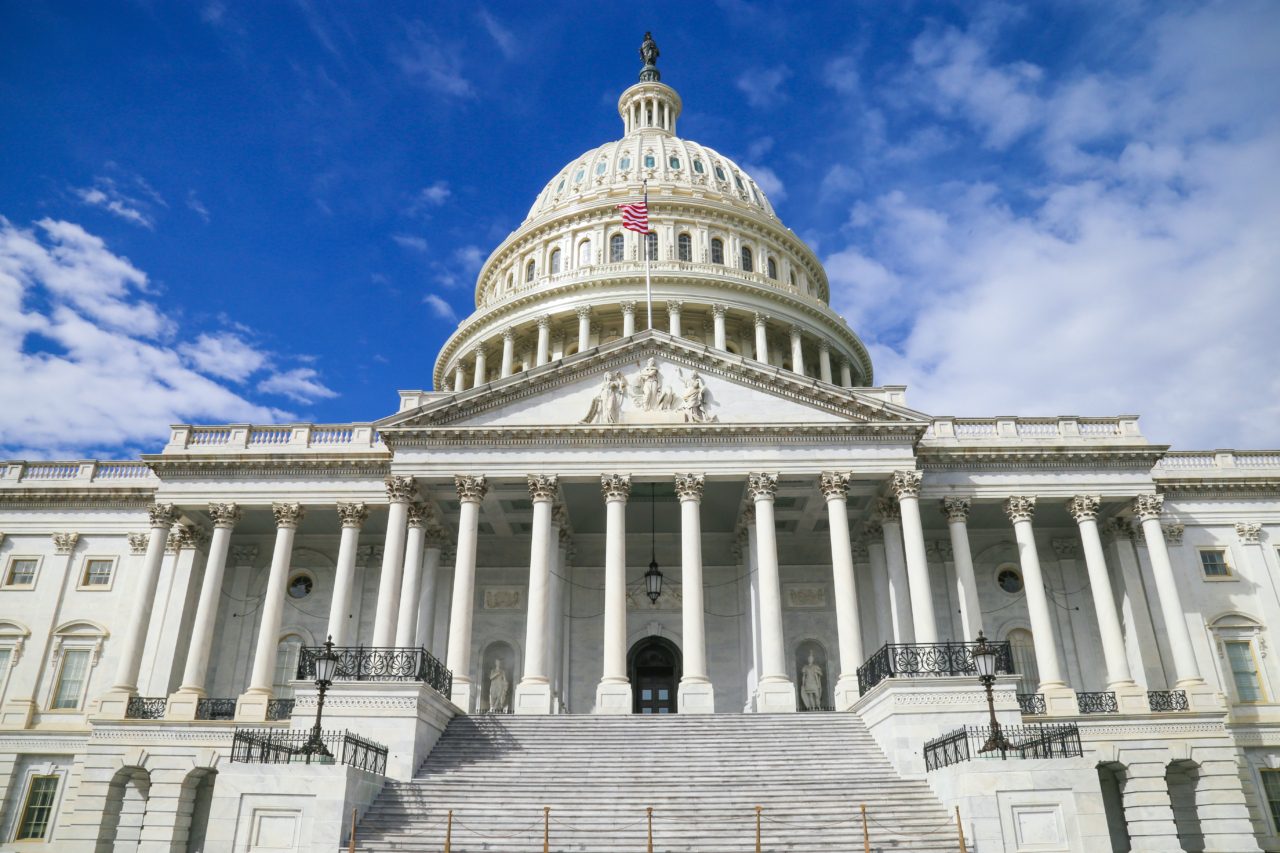
As the budget moves from the executive branch to Capitol Hill, the focus shifts squarely to the legislative branch. The realization of these funding priorities now depends heavily on bipartisan cooperation and the dedication of federal lawmakers who recognize the urgency of supporting the nation’s youngest citizens.

"Now, Congress must work with the Administration to deliver for families and babies," Calderón continued, emphasizing the collaborative path ahead. "We look forward to working with Congressional appropriators and our baby champions on the Hill to make these bold proposals a reality."
The legislative process will involve intense negotiations over spending allocations, agency funding levels, and specific program parameters. Advocates across the country are preparing to mobilize, engaging with elected officials to ensure that the vital investments outlined in the fiscal year 2025 budget are preserved and fully funded in the final appropriations bills passed by Congress. For ZERO TO THREE and its network of early childhood leaders, the shared mission remains clear: keeping the needs of babies and families at the forefront of national policymaking until every child is given the robust support required to thrive.