

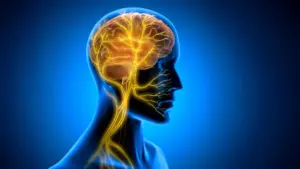




A groundbreaking study from researchers at UCLA Health has unveiled a compelling connection between the composition of the human gut microbiome and the biological pace of brain aging. The findings suggest that the internal state of our digestive systems—and the myriad chemical compounds produced by the bacteria residing within them—may play a fundamental role in how our brains age long before any outward symptoms of cognitive decline manifest. This discovery provides a fresh perspective on the biological precursors to neurological health, indicating that the path to cognitive aging is likely paved decades before an individual notices lapses in memory or executive function.
For years, neuroscientists have utilized advanced brain imaging technologies to calculate an individual’s "brain age." This metric often deviates from chronological age, serving as a biological barometer for the brain’s structural and functional integrity. Previous studies have consistently demonstrated that when the brain exhibits patterns of accelerated aging—appearing "older" on scans than the individual’s actual years would suggest—it is frequently correlated with diminished memory, reduced processing speed, impaired executive function, and a higher propensity for mood disorders.
However, the scientific community has long grappled with a significant knowledge gap. Most foundational research in this field has focused predominantly on geriatric populations or individuals already diagnosed with established neurodegenerative conditions, such as Alzheimer’s disease or other forms of dementia. This focus on end-stage decline left a crucial question unanswered: does an older-looking brain hold clinical significance for younger, ostensibly healthy adults? By examining this earlier window, researchers hope to shift the paradigm from reactive treatment to proactive, preventative care.

Measuring the Biological Clock of the Brain
To address these questions, researchers at UCLA Health published a study in the journal eBioMedicine that analyzed brain scans from a diverse cohort of nearly 1,500 adults. The participants were stratified into three distinct groups to ensure a comprehensive overview of how brain connectivity shifts over time.
The investigative team employed a sophisticated neuroimaging approach centered on "resting-state" functional connectivity. This technique measures how different, geographically separated regions of the brain communicate and synchronize their activity while the individual is at rest. By observing these intrinsic networks, researchers can map the brain’s internal architecture. Using these connectivity patterns, the team developed a computer model designed to predict an individual’s age. By comparing this "predicted" brain age to the participant’s actual chronological age, the researchers derived what they termed the Brain Aging Index (BAI). A higher BAI score indicates that the brain’s communication network functions in a manner typically seen in older individuals, suggesting an accelerated pace of biological aging.
Correlations with Cognitive Performance and Mood
The results of the analysis were striking, demonstrating that the Brain Aging Index is not merely a theoretical construct but a tangible indicator of cognitive health. Across all three participant groups, those whose brains appeared chronologically older than their actual age consistently underperformed on standardized tests measuring working memory and executive function. These cognitive domains are essential for daily life; they allow individuals to hold information in temporary storage, sustain focus on complex tasks, and execute the high-level planning and organization required for navigating modern life.
Furthermore, the research identified a clear association between a higher Brain Aging Index and the self-reporting of depressive symptoms. The patterns of accelerated aging were not randomly distributed across the brain; rather, they were concentrated in specific regions critical to memory consolidation and self-referential thought. These are the complex neural pathways involved in how we process information about ourselves and our personal life experiences. This finding suggests that the structural and functional changes captured by the BAI might be deeply intertwined with the emotional and psychological well-being of the individual.
The Role of the Gut Microbiome
Perhaps the most innovative aspect of the study was the attempt to look beyond the cranium to understand the origins of these changes. For one of the study groups, researchers collected and analyzed stool samples to determine if the biological markers of brain aging had a corresponding signature in the gut microbiome. The results provided a compelling bridge between the two systems.
The study found that a higher Brain Aging Index was statistically associated with the presence of specific bacterial colonies and a variety of metabolic byproducts. Among these compounds were distinct fat molecules, a cholesterol-related substance, and notably lower levels of estetrol, a hormone that has previously been linked to neuroprotection.
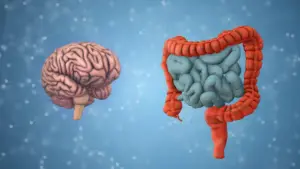
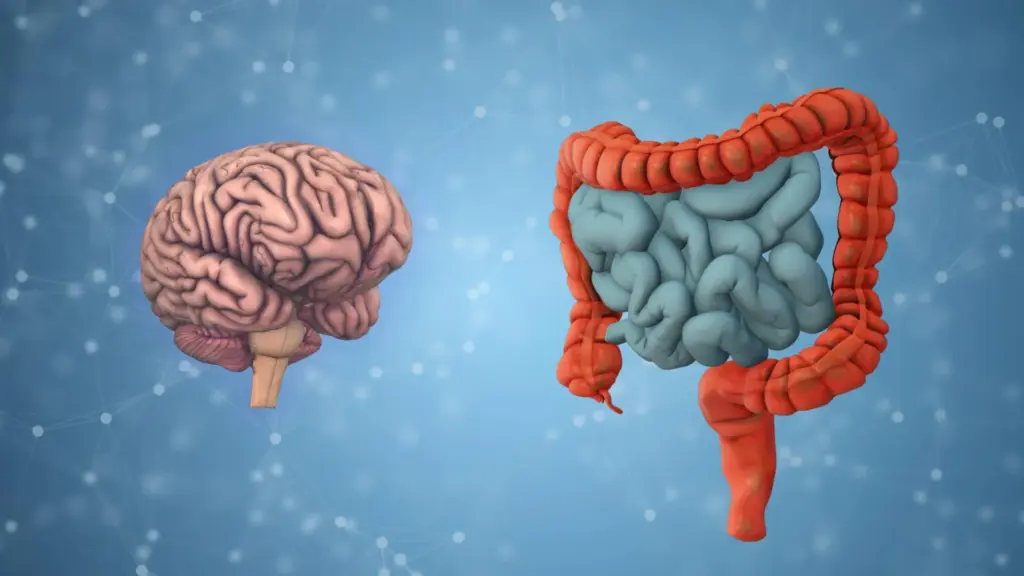
The researchers mapped these biological signals to several critical physiological pathways, including the regulation of the immune system, the health and integrity of blood vessel function, the efficiency of inter-neuronal communication, and the metabolic processes that cells utilize to generate energy. These findings reinforce the theory of the "gut-brain axis," a bidirectional communication system that links the enteric nervous system of the digestive tract with the central nervous system. The data suggests that the gut may be acting as a silent regulator, influencing the brain’s resilience and its rate of decline through the systemic release of metabolites.
Implications for Early Intervention
The study’s findings challenge the traditional perception that brain aging is a process that only begins in the twilight of life. Instead, the evidence points toward a cumulative process that leaves detectable biological "fingerprints" decades before the onset of symptomatic decline.
"Brain aging doesn’t suddenly begin when we get older, but the biological signals may be detectable decades earlier," said Dr. Arpana Church, the study’s senior author and co-director of the Goodman-Luskin Microbiome Center at UCLA Health. "By linking these early brain changes with the gut microbiome and its metabolites, we are beginning to identify pathways that could ultimately help us understand who may be at risk and, importantly, where we might intervene to support healthier brain aging."
Dr. Church emphasized that the ultimate goal of this line of inquiry is to transition from observation to intervention. If the gut environment is a driver—or at least a key mediator—of the rate at which our brains age, it stands to reason that the gut could become a strategic target for future medical therapies.
This research opens the door to a new era of preventative neurology. By identifying those at risk early in life, clinicians may one day be able to implement personalized strategies—ranging from dietary interventions to pharmacological approaches targeting the microbiome—designed to support cognitive health and delay or prevent the onset of age-related neurological decline. As the scientific community continues to unravel the complexities of the gut-brain connection, these UCLA Health findings serve as a pivotal step in redefining the boundaries of human aging and the potential to influence the longevity of the mind. The ability to monitor brain health through the lens of the microbiome may eventually become a standard component of preventative healthcare, allowing for a more nuanced and proactive approach to maintaining mental sharpness throughout the lifespan.