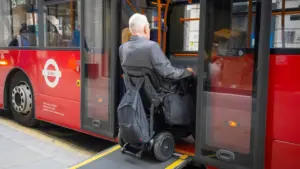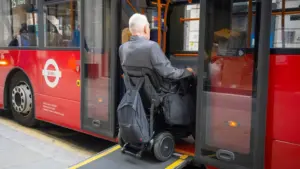









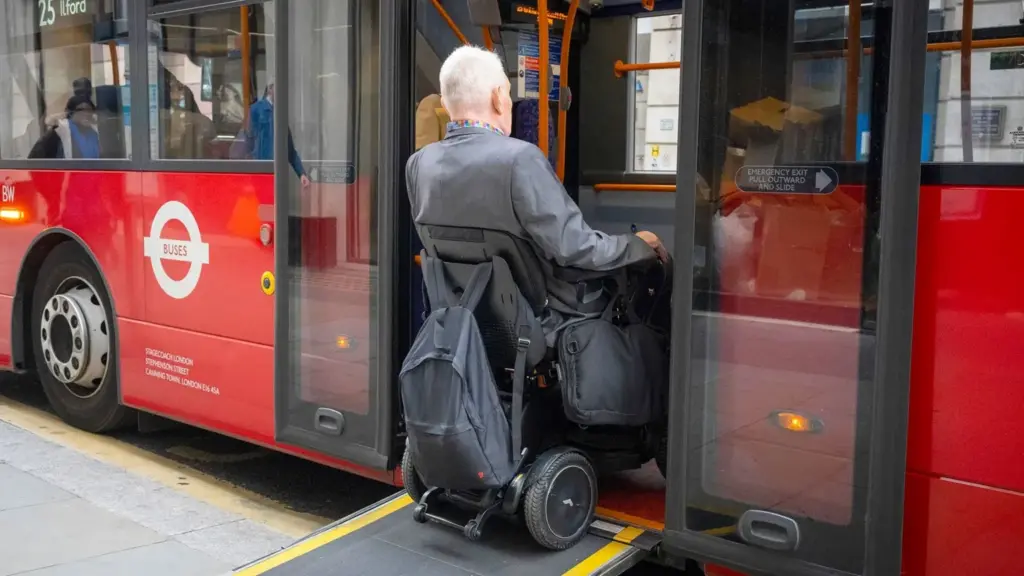
Starting April 1, disabled people across England will be able to travel by bus for free at any time of day, marking a significant milestone in public transit accessibility and equity. Previously, free bus passes were restricted to off-peak hours on weekdays—specifically between 09:30 and 23:00. This historical time restriction created substantial barriers for pass holders trying to commute to standard morning jobs, attend early professional appointments, or participate in late-night social and cultural events. By removing these time limits entirely, the policy change will benefit an estimated one million people nationwide, effectively transforming the concessionary bus pass into a true full-time lifeline for everyday mobility, employment, and social inclusion.
The landmark policy follows a highly successful trial conducted within Greater Manchester’s integrated “Bee Network.” It also directly responds to years of persistent campaigning by prominent disability rights organizations, including Scope and Transport for All. Advocates have widely celebrated the move not only for its practical benefits, but for dismantling an unfair “postcode lottery” that previously meant a passenger’s transit rights depended heavily on arbitrary local rules and geographical boundaries. However, while disability organizations have praised the national extension of pass validity, they emphasize that this reform represents only one crucial step forward. They note that eligibility requirements across various local regions still require broader standardization to ensure true fairness and seamless travel nationwide.
To secure the long-term future of the initiative and make the program permanent, the £60 million scheme is being funded jointly through the Department for Transport and the Department for Work and Pensions. Government officials are framing the sweeping reform as an essential workforce and cost-of-living initiative. This measure aligns seamlessly with existing nationwide transit interventions, such as the popular £2 single-fare cap, and successfully brings England into alignment with similar 24/7 concessionary transit programs that have been operating successfully for years in Scotland and Wales.

Global Takeaways: How Other Countries Can Make Accessible Commuting Possible
Making daily commuting accessible, reliable, and affordable for disabled citizens requires a careful and deliberate combination of comprehensive policy design, modern digital systems, and targeted public investment. As transportation authorities worldwide look for models to emulate, the English shift offers a compelling case study in integrating social welfare goals with public infrastructure management.
Why Was the UK Able to Do It?
The ability to implement a nationwide policy of this scale stems from a combination of centralized funding mechanisms, strong advocacy networks, and existing legislative frameworks governing public services. By pooling resources through the Department for Transport and the Department for Work and Pensions, the government was able to underwrite the £60 million cost required to make the program permanent. Furthermore, years of pressure from organized disability groups kept the issue at the forefront of the political agenda, ensuring that regional pilot programs like Greater Manchester’s Bee Network could be evaluated, scaled, and translated into national policy.
Does It Depend on Existing Infrastructure?
Yes, heavily. Free transit passes only work if the public transport network is physically and technologically accessible to begin with. Without foundational investments in physical infrastructure—such as low-floor buses, functional ramps, clear audio-visual announcement systems, and accessible boarding stops—free fares alone cannot guarantee mobility. Additionally, technological readiness, including standardized smartcard systems and reliable digital ticketing validators across different regions, plays a vital role in ensuring that concessionary passes can be used smoothly and without administrative friction at any hour of the day or night.
What Is Needed to Make Commuting Affordable for People with Disabilities?
Achieving true affordability and accessibility in public transportation requires removing financial barriers while simultaneously addressing structural inequalities within transit systems. Policymakers must eliminate restrictive time caps that penalize early morning workers or evening commuters, ensuring that concessionary travel mirrors the 24/7 nature of modern economic and social life. Furthermore, governments need to eradicate regional disparities, or postcode lotteries, so that citizens enjoy consistent rights regardless of where they live. Finally, sustained central government funding must back these initiatives, ensuring that local transit operators can absorb the costs of expanded access without compromising the quality, frequency, or safety of their services.