









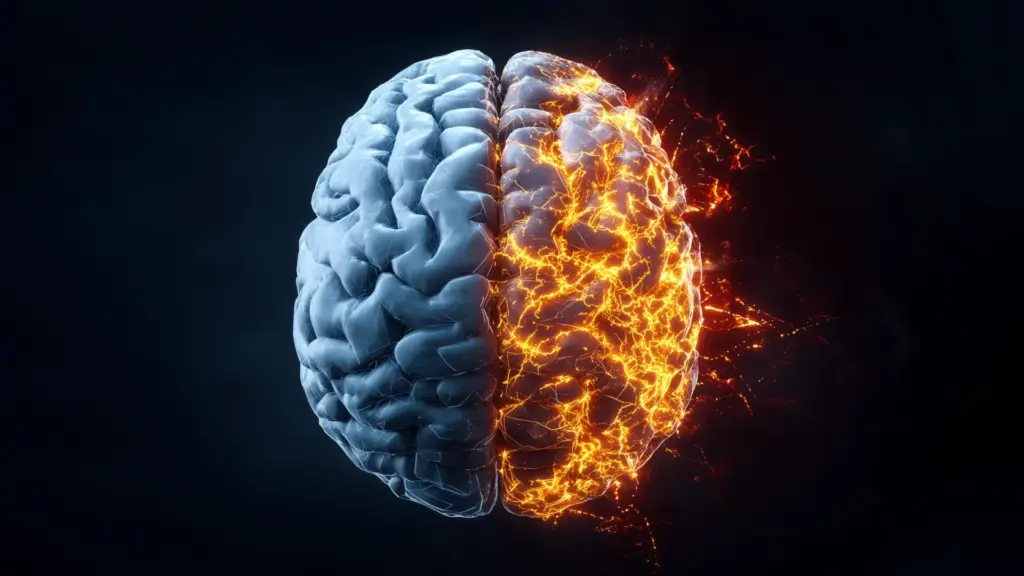
Scientists at the University of Birmingham have unveiled a promising new strategy to mitigate harmful inflammation in the human brain. By targeting a specific receptor already known to science—and one that can be modulated using existing pharmacological agents—researchers believe they have opened a critical pathway toward treating a vast array of neurological and psychiatric conditions that have long eluded effective clinical intervention.
The study, recently published in the journal Brain and led by Professor Nicholas Barnes, focuses on the P2X7 receptor, which the team identified as a significant driver of neuroinflammation. When researchers successfully blocked this receptor in human brain tissue, they observed a significant reduction in the inflammatory response. This discovery is particularly significant because it suggests that therapeutics already developed for other purposes might be repurposed to treat some of the most debilitating conditions affecting the human brain, including Alzheimer’s disease, Parkinson’s disease, traumatic brain injury (TBI), depression, and psychosis.
Blocking a Key Driver of Brain Inflammation
Neuroinflammation is a complex and often destructive process that occurs when the brain’s immune system remains in a state of chronic activation. While inflammation is a natural response to injury or infection, its persistence is increasingly linked to the progression of various chronic diseases. To understand the mechanics of this process, Professor Barnes and his team conducted a series of rigorous experiments using both live cultures of human brain cells and slices of actual human brain tissue, the latter of which were collected during necessary neurosurgical procedures.

The team’s research was centered on the P2X7 receptor, a protein known to play a role in inflammatory signaling. Their findings indicate that these receptors act as a catalyst for the release of cytokines—specialized proteins that regulate the body’s inflammatory responses. When the brain’s inflammatory signaling becomes dysregulated, these cytokines can cause extensive damage to healthy neural tissue. By employing a specific antagonist designed to block the P2X7 receptor, the research team was able to significantly dampen the inflammatory cascade within the human brain tissue samples.
Professor Nicholas Barnes, of the College of Medicine and Health at the University of Birmingham and the corresponding author of the study, emphasized the broader implications of these findings. "This exciting discovery marks a major step toward repurposing existing therapeutics to combat neuroinflammation at its source," Barnes stated. "The identification of this receptor could have far-reaching implications for some of the most debilitating and widespread brain disorders, such as Alzheimer’s disease, Parkinson’s disease, and Multiple Sclerosis, as well as inflammation-linked psychiatric conditions like schizophrenia and depression."
Studying the Brain’s Immune Cells
A central challenge in neuroscientific research has always been the study of microglia. These specialized immune cells are the brain’s primary defenders; they act as the nervous system’s first responders, coordinating the response to injury and monitoring the environment for pathogens or damaged cells. However, studying human microglia has historically been difficult. When these cells are removed from their native environment within the living brain, they tend to lose their defining characteristics and biological integrity, largely due to the sudden loss of the complex regulatory signals they rely on to function.
To circumvent this hurdle, the research team developed an innovative method for creating "microglia-like" cells. They achieved this by converting human peripheral monocytes—a type of white blood cell—into cells that mirror the behavior and function of microglia. Interestingly, this cellular transformation mirrors a biological process that has recently been identified as occurring naturally in the human brain during the aging process.
This new experimental platform provided the researchers with a scalable, near-unlimited supply of cells that mimic human microglia. By using this model, the team was able to examine with unprecedented precision exactly how human microglia respond to inflammatory signals. When the researchers applied the P2X7 receptor antagonist to these cells, they discovered they could effectively interfere with the signals released by microglia as those cells became damaged or began to die.
"Studying human microglia has long been a major challenge," Professor Barnes explained. "Once removed from their native brain environment, they rapidly lose their defining characteristics, likely due to the absence of critical regulatory signals. Our approach involved the use of monocyte-derived microglia, which provide a powerful, scalable, and virtually unlimited platform for studying human microglial biology with unprecedented precision."
From Lab Models to Human Brain Tissue
The journey from a laboratory model to clinical application is often the most significant bottleneck in medical research. Having successfully identified the P2X7 receptor’s role in their monocyte-derived microglia, the researchers moved to validate their findings in actual human brain tissue. By testing the P2X7 receptor antagonist on samples obtained during neurosurgical procedures, the team was able to confirm that the therapeutic effect observed in their lab-grown cells was not an artifact of the model, but a genuine biological response present in human tissue.
The success of these trials in human tissue has provided the research team with the necessary evidence to advocate for the next phase of development: clinical trials. Currently, many patients suffering from neurodegenerative diseases or those recovering from severe traumatic brain injuries lack effective pharmacological treatments to curb the secondary, often devastating, effects of neuroinflammation.
The potential to repurpose existing drugs that target the P2X7 receptor could significantly shorten the timeline typically required to bring new treatments to the clinic. Since these drugs have already undergone initial safety testing, the pathway to regulatory approval for new indications is far more straightforward than that of a novel, untested compound.
"Having identified the response in the human monocyte-derived microglia, this provided the impetus to translate these findings with human brain obtained following neurosurgical procedures," Professor Barnes noted. "This successful translation means the next stage for this research is the development of clinical trials in patients with neurodegenerative conditions and patients with TBI, where there are currently no effective pharmacological treatments to reduce the neuroinflammation and the resulting damage."
As the scientific community looks toward the future of neuro-immunology, the University of Birmingham’s work provides a clear roadmap. By focusing on the intersection of microglial biology and the P2X7 receptor, the research team has moved beyond merely describing the damage caused by brain inflammation to offering a concrete, targetable solution. For millions of people worldwide living with the daily impact of Alzheimer’s, Parkinson’s, and other conditions involving chronic inflammation, this research represents a vital step toward a new generation of targeted, effective medical therapies. The coming years will be critical as the team transitions these laboratory insights into the clinical setting, aiming to turn the tide against the inflammation that drives some of the most persistent and damaging diseases of the modern era.