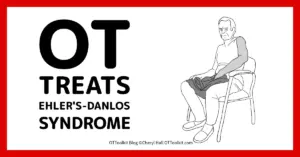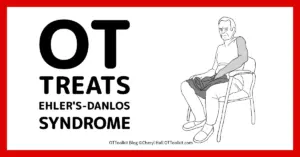



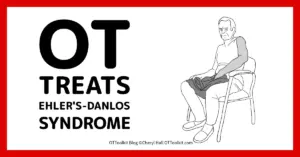






The Occupational Therapy Toolkit, a cornerstone resource for clinicians worldwide, is set to undergo a significant expansion in its next edition. Following a thoughtful suggestion from a practicing occupational therapist in Tennessee, the resource’s creator, Cheryl, has announced plans to develop a dedicated treatment guide for Ehlers-Danlos Syndrome (EDS). The move comes in response to the growing recognition of the unique challenges faced by patients with this complex connective tissue disorder and the vital role that occupational therapy (OT) plays in managing their day-to-day quality of life.
For many clinicians, EDS represents a nuanced clinical landscape. Although the condition is often categorized as rare, its impact on a patient’s functional independence is profound. Cheryl, who acknowledged that she had not personally treated patients with EDS during her own clinical tenure, noted that the request from a fellow therapist highlighted a critical gap in standardized practice materials. By incorporating a dedicated guide into the next edition of the Occupational Therapy Toolkit, the aim is to empower therapists to provide more targeted, evidence-based care for this patient population.
Understanding the Clinical Landscape of Ehlers-Danlos Syndrome
At its core, Ehlers-Danlos Syndrome is a group of connective tissue disorders that fundamentally affect how the body synthesizes and utilizes collagen—the protein that acts as the "glue" for skin, joints, blood vessels, and other vital tissues. Because collagen is ubiquitous throughout the human body, the manifestations of EDS are systemic and highly variable. There are currently 13 distinct types of EDS identified, each with its own unique genetic cause and clinical presentation.

Despite this heterogeneity, patients frequently present with a constellation of hallmark symptoms. Joint hypermobility—often leading to chronic instability, subluxations, and persistent pain—is perhaps the most recognizable feature. This is frequently accompanied by skin fragility, characterized by a tendency to bruise easily, stretch, or tear under minimal stress. Beyond the musculoskeletal system, the condition often presents with significant systemic challenges, including chronic fatigue, orthostatic intolerance (dizziness upon standing), and various gastrointestinal concerns that can complicate a patient’s ability to maintain a balanced nutritional and activity-based lifestyle.
For the occupational therapist, the challenge lies in the multifaceted nature of these symptoms. Because the disorder affects multiple body systems simultaneously, an intervention plan must be holistic, addressing not only the primary physical impairments but also the secondary effects on the patient’s mental health, sleep quality, and overall energy levels.
Core Occupational Therapy Interventions for EDS
The integration of EDS into the Occupational Therapy Toolkit will emphasize the evidence-based strategies that have become standard for managing connective tissue disorders. Occupational therapy is uniquely positioned to address the functional deficits associated with EDS, focusing on the preservation of joint integrity and the maximization of energy throughout the day.
Joint protection strategies form the bedrock of these interventions. Given the inherent instability of hypermobile joints, therapists are tasked with helping patients mitigate painful hyperextension. This involves a dual approach: modifying the way patients perform daily tasks to reduce biomechanical stress and providing custom orthotic solutions. Designing and fitting splints, for example, can provide the necessary external support to stabilize joints during high-demand activities, thereby reducing inflammation and long-term wear.
Energy conservation is equally vital. Patients with EDS often report profound, debilitating fatigue, which can be exacerbated by the constant muscular effort required to stabilize unstable joints. By teaching pacing and planning techniques, therapists help patients redistribute their activity levels to avoid the "boom-and-bust" cycle of overexertion. Furthermore, task modification—rethinking the way one cooks, cleans, or works—allows patients to maintain their independence without depleting their limited physiological reserves.
The scope of OT intervention also extends to the physical environment. Through ergonomic assessments, therapists can evaluate a patient’s home, school, or workplace to ensure the setup minimizes repetitive strain. This might involve recommending specialized office chairs, ergonomic keyboards, or speech-to-text software that reduces the need for repetitive movements that would otherwise trigger joint pain.
A particularly sophisticated aspect of treating EDS is the focus on proprioception. Hypermobility often leads to a diminished "body map" in the brain, where the patient struggles to accurately sense their position or movement in space. This lack of feedback can increase the risk of accidental injury. Occupational therapists utilize targeted therapeutic exercises designed to enhance proprioceptive input, helping the patient stabilize their joints through better muscular awareness and refined motor control.
Beyond these primary physical interventions, therapists are increasingly playing a role in managing co-occurring symptoms. The prevalence of migraines, sleep disturbances, and autoimmune-related issues in the EDS population requires a clinician who is prepared to provide comprehensive support. By coordinating care and offering strategies for symptom management, the occupational therapist acts as a key member of the interdisciplinary team.
Building Resources for the Clinical Community
While the development of the new EDS Treatment Guide is underway, the current 8th edition of the Occupational Therapy Toolkit remains a highly valuable resource for clinicians working with this population. Its existing collection of treatment guides, ADL (Activities of Daily Living) and mobility handouts, and therapeutic exercise protocols provide a flexible foundation that can be adapted for the specific needs of an EDS patient.
For example, existing mobility handouts can be tailored to address the fall-prevention needs of a patient experiencing orthostatic dizziness, while current ADL guides can be adapted to integrate the joint-protection principles necessary for those with fragile tissues. The Toolkit’s comprehensive library of educational materials allows therapists to explain these complex concepts to patients in a clear, accessible manner, fostering a collaborative approach to rehabilitation.
For clinicians seeking a deeper understanding of the pathology and the latest research, resources like The Ehlers-Danlos Society offer an essential knowledge base. Their platform provides specialized continuing education, research updates, and a directory of healthcare professionals who have cultivated expertise in the condition, ensuring that therapists can continue to grow their clinical practice through ongoing learning.
The announcement of this new guide serves as a testament to the collaborative spirit of the occupational therapy community. The exchange of knowledge between clinicians—from the therapist in Tennessee who identified the need to the practitioners who utilize these resources every day—is what drives the evolution of the field. Cheryl, whose work on the Occupational Therapy Toolkit continues to shape the standards of the profession, welcomes this ongoing dialogue. By encouraging therapists to reach out with suggestions and identified gaps in clinical resources, she ensures that the Toolkit remains a living, responsive tool that meets the ever-changing demands of patient care.
As the medical community continues to refine its understanding of connective tissue disorders, the role of the occupational therapist will only grow in importance. Through intentional, patient-centered care and the development of specialized resources, the profession is well-equipped to support those living with Ehlers-Danlos Syndrome, helping them navigate the challenges of their condition with greater ease, confidence, and independence. The forthcoming addition to the Toolkit is not merely an update to a book, but a commitment to better clinical outcomes for a community that is often underserved.