








WASHINGTON, DC — ZERO TO THREE, the nation’s leading early childhood development nonprofit dedicated to ensuring that all infants and toddlers have a strong and healthy start in life, has expressed strong encouragement regarding President Biden’s proposed fiscal year 2025 budget. The organization highlighted that the federal spending plan incorporates essential and much-needed funding for programs designed to build a solid foundation for young children and families across the United States.
According to leadership at the advocacy organization, the federal investments outlined in the proposal represent a major step forward for infant and toddler care, addressing critical sectors that directly influence early childhood development. The announcement has drawn praise from child development advocates who have long pushed for systemic federal support during the earliest, most formative years of human growth.
“If implemented, President Biden’s budget released today will make our nation a better and fairer nation to have and raise a baby,” said Miriam Calderón, Chief Policy Officer at ZERO TO THREE.

Calderón emphasized that the organization has consistently urged both Congress and the Administration to prioritize the unique and pressing needs of babies and their families across five foundational areas: maternal health, infant and early childhood mental health, child care, housing, and economic security. These five pillars form the core framework of the organization’s ongoing national initiatives, including its signature data and advocacy tracking efforts, such as the State of Babies Yearbook.
“In last week’s State of the Union address, the President laid out a path toward a future where families are empowered and have choices about their baby’s future,” Calderón continued, pointing to the broader policy momentum leading up to the budget release. “This proposed budget expands on this vision with proposals that address all facets of young children’s development, recognizing that early childhood experiences shape lifelong health, learning, and well-being.”
Prioritizing the First Years of Life
The release of the federal budget proposal marks a critical juncture in the annual legislative calendar, setting the stage for months of negotiations on Capitol Hill. For early childhood advocates, the inclusion of dedicated investments for infants and toddlers signals a growing recognition among policymakers that public policy must begin well before a child enters kindergarten.

Child development experts have long maintained that the window from birth to age three is a period of extraordinary brain development, during which more than one million new neural connections are formed every second. The experiences, environments, and relationships children encounter during this timeframe lay the groundwork for cognitive, emotional, and social development later in life. Consequently, advocates argue that federal investments in early childhood are not merely social support programs, but vital economic and public health strategies.
The President’s budget proposals put forward a series of targeted investments designed to alleviate financial and structural pressures on young families. By addressing systemic challenges such as the high cost of quality child care, disparities in maternal health outcomes, and the destabilizing effects of housing insecurity, the budget seeks to create a more supportive ecosystem for parents and caregivers during the most demanding phase of early family life.
The Path Forward on Capitol Hill
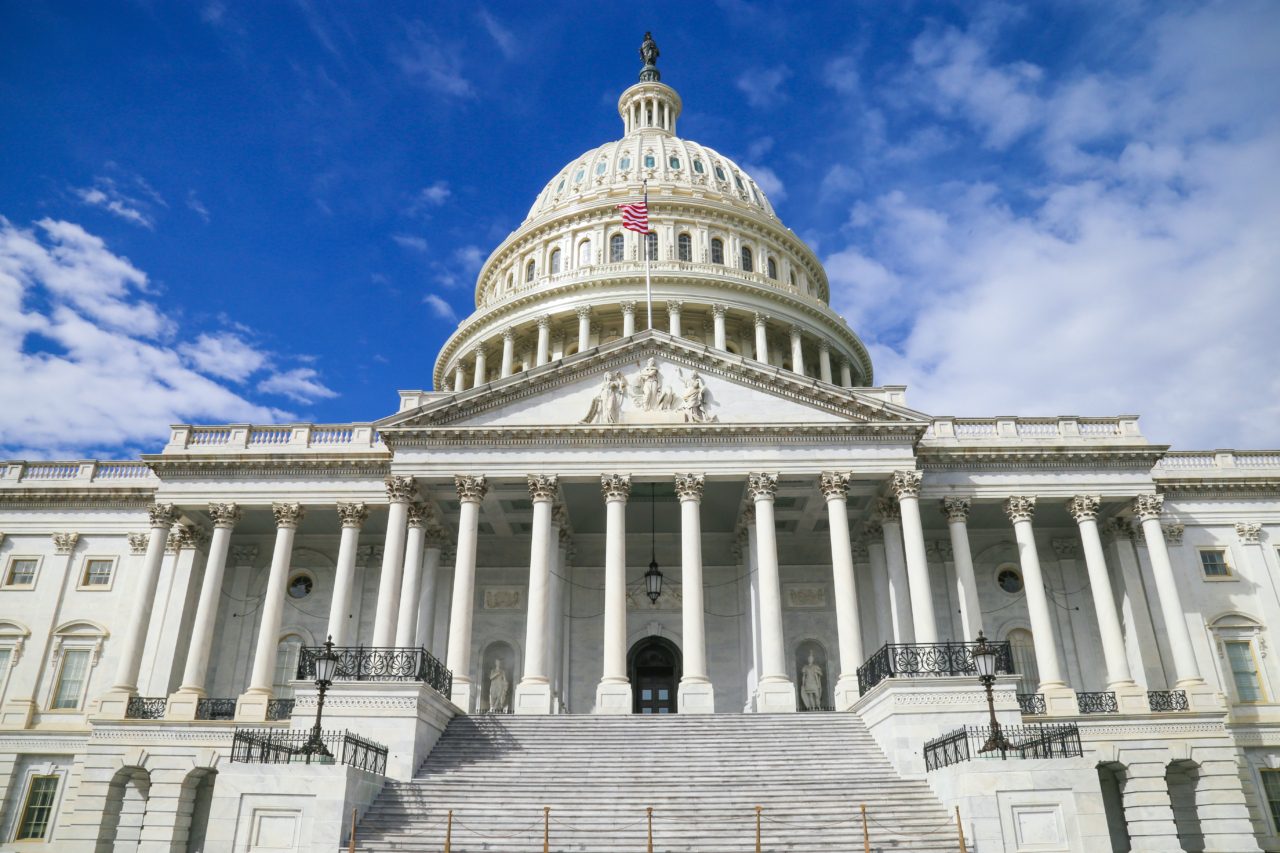
With the budget now officially transmitted to Capitol Hill, the focus shifts entirely to the legislative branch, where federal lawmakers hold the constitutional authority to draft appropriations bills and determine final spending levels. The process will require extensive collaboration between the Administration, congressional appropriators, and bipartisan lawmakers who champion early childhood issues.

“Now, Congress must work with the Administration to deliver for families and babies,” Calderón said, stressing the urgency of turning executive proposals into enacted law. “We look forward to working with congressional appropriators and our baby champions on the Hill to make these bold proposals a reality.”
The legislative path ahead will involve committee hearings, markup sessions, and rigorous debate over federal spending priorities. Advocates from ZERO TO THREE and allied organizations plan to engage actively with policymakers to ensure that the proposed funding levels for maternal and child health, early learning programs, and family support systems are preserved—and, where possible, strengthened—as the appropriations process moves forward.
For families across the country navigating the high costs of raising infants and toddlers, the outcome of these upcoming legislative negotiations will have profound, real-world implications. As the debate over the fiscal year 2025 federal budget unfolds in Washington, child development advocates remain steadfast in their mission to keep the needs of the nation’s youngest residents at the forefront of the national agenda.