








WASHINGTON, DC — ZERO TO THREE, the nation’s leading early childhood development nonprofit dedicated to ensuring all infants and toddlers have a strong start in life, has voiced strong encouragement regarding President Biden’s proposed fiscal year 2025 budget. The organization points out that the federal spending blueprint includes essential and much-needed funding for programs designed to build a strong foundation for young children and families across the United States.
The announcement comes at a critical juncture for federal policy, as lawmakers weigh funding priorities for the upcoming fiscal year. For advocates of early childhood development, the executive budget represents an important statement of national values and a targeted investment in the youngest members of society.
“If implemented, President Biden’s budget released today will make our nation a better and fairer nation to have and raise a baby,” said Miriam Calderón, Chief Policy Officer at ZERO TO THREE.

Calderón noted that the organization has consistently urged Congress and the Administration to prioritize the needs of babies and their families across five key foundational areas: maternal health, infant and early childhood mental health, child care, housing, and economic security.
“In last week’s State of the Union address, the President laid out a path toward a future where families are empowered and have choices about their baby’s future,” Calderón added. “This proposed budget expands on this vision with proposals that address all facets of young children’s development.”

The President’s budget proposal arrives as communities nationwide continue to grapple with systemic challenges affecting young families, ranging from the high cost of quality child care to ongoing maternal health disparities. By targeting these specific domains, the administration’s funding requests aim to ease the economic and social pressures facing new parents while fostering optimal developmental outcomes during the most rapid phase of human brain development.
Neuroscience has long established that the first three years of life represent a period of extraordinary brain growth, where experiences and environments shape lifelong trajectories in learning, behavior, and physical and mental health. Advocates emphasize that public policy must reflect this scientific reality by dedicating adequate resources to prenatal care, family stability, and early learning environments.
ZERO TO THREE has long championed policies that support the whole family unit, recognizing that an infant’s well-being is inextricably linked to the health, economic security, and mental wellness of their caregivers. The organization’s “State of Babies” framework serves as a comprehensive guide for policymakers seeking to measure and improve the well-being of infants and toddlers across all fifty states and the District of Columbia.

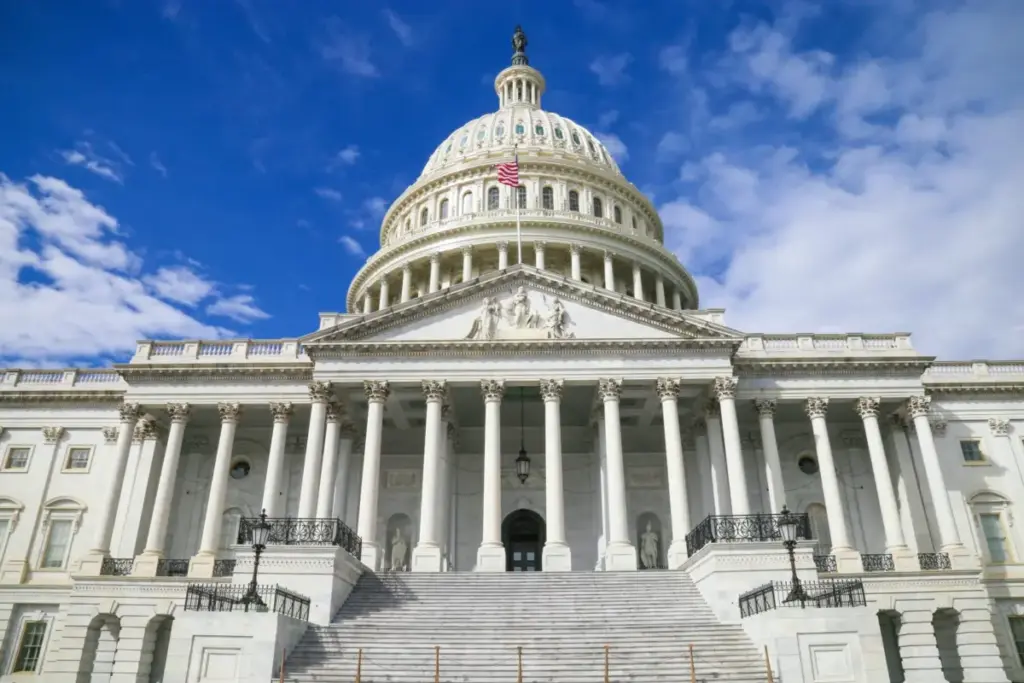
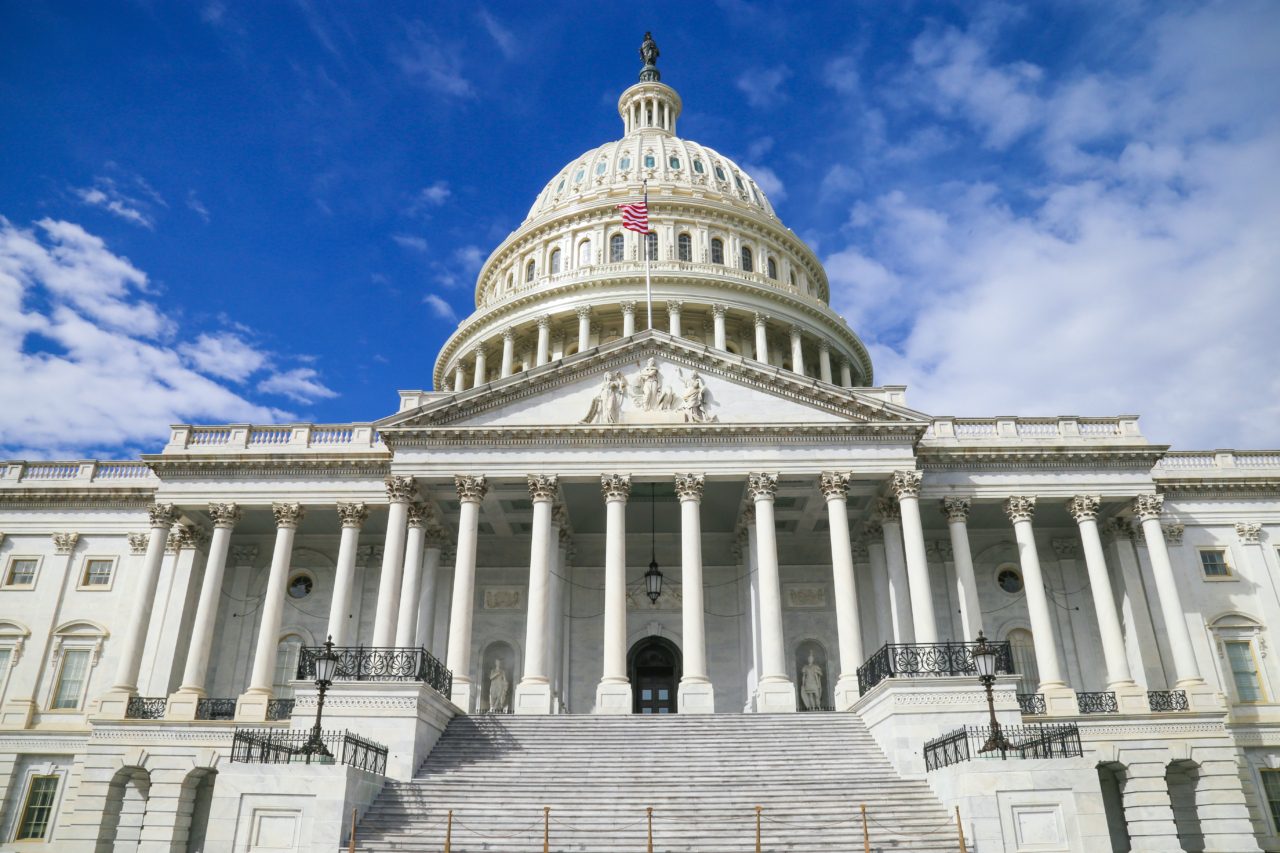
With the release of the fiscal year 2025 budget, attention now shifts to Capitol Hill, where federal lawmakers hold the constitutional authority to draft and pass spending legislation. The budget serves as a presidential request and a policy roadmap, requiring legislative action by congressional committees and full chambers to become law.
“Now, Congress must work with the Administration to deliver for families and babies,” Calderón continued, outlining the next steps in the legislative process. “We look forward to working with Congressional appropriators and our baby champions on the Hill to make these bold proposals a reality.”
As the appropriations process moves forward, early childhood advocates, community leaders, and concerned citizens are expected to engage with federal lawmakers to advocate for the preservation and expansion of these vital investments. For families navigating the joys and challenges of raising young children, the outcome of these upcoming legislative negotiations will have profound, long-lasting implications for the resources available during the most critical window of child development.