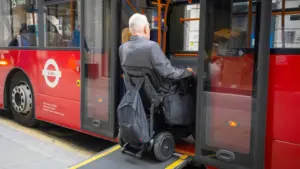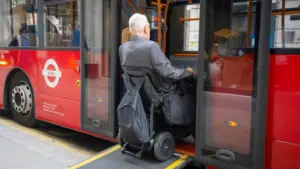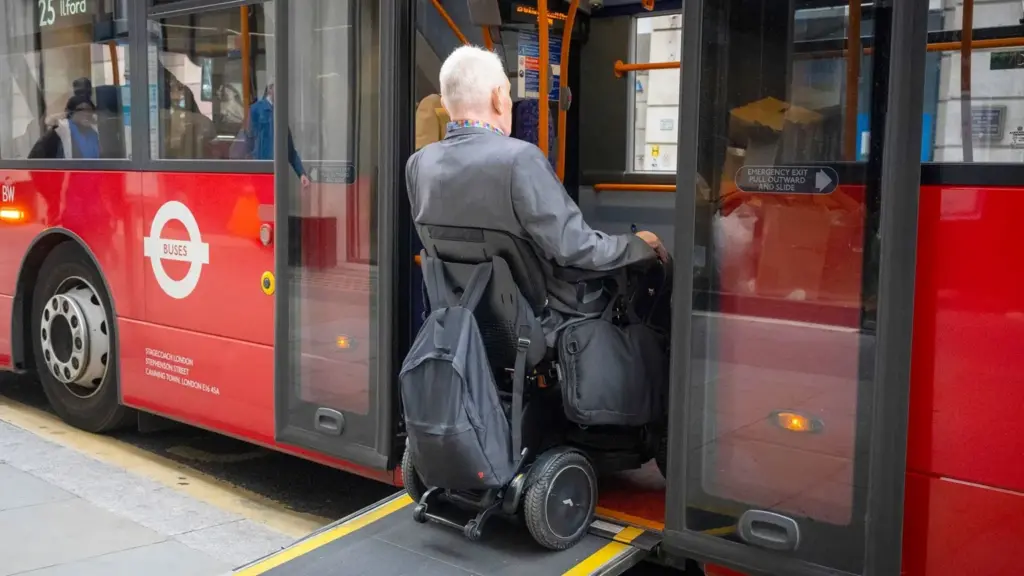
Starting April 1, disabled people across England will be able to travel by bus for free at any time of day, marking a major milestone for public transportation equity and independence. Previously, free bus passes were restricted to off-peak hours on weekdays, specifically limited between 09:30 and 23:00. These legacy time limits frequently created substantial barriers for pass holders trying to commute to standard morning jobs, attend early appointments, or participate in late-night events and social activities.
The removal of these time restrictions will benefit an estimated one million people nationwide, transforming concessionary bus travel into a true full-time lifeline. By dismantling these historical scheduling barriers, the policy acknowledges that modern work schedules, educational commitments, and social lives do not operate exclusively during off-peak hours. Disability advocates have long pointed out that restricting free travel to the middle of the day penalized those attempting to integrate into the traditional workforce or maintain active, independent lifestyles.
The sweeping policy follows a highly successful trial conducted within Greater Manchester’s integrated public transit system, known as the “Bee Network.” The regional pilot demonstrated that removing time caps on concessionary travel not only improved mobility and social inclusion for disabled residents but also integrated smoothly into daily network operations without creating unmanageable congestion. Building on this regional success, the nationwide rollout responds to years of persistent campaigning by prominent disability rights organizations, including Scope and Transport for All.
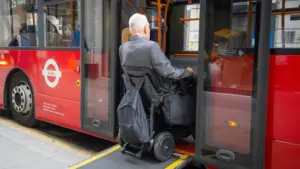
Advocates have widely celebrated the government’s move, emphasizing that it eliminates an unfair and frustrating "postcode lottery." For years, the validity of concessionary passes depended heavily on local council rules and regional funding variations, meaning that a disabled person’s ability to travel freely often changed depending on where they lived or crossed municipal boundaries. While national standardization for hours is now a reality, disability organizations emphasize that this reform is only the first major step. They note that eligibility requirements across various local authorities still require broader standardization to ensure complete fairness across the country.
To make the program permanent and nationwide, the £60 million scheme is being funded jointly through the Department for Transport and the Department for Work and Pensions. Government officials frame the reform as an essential workforce and cost-of-living initiative. This investment joins existing national transit measures designed to ease financial pressures on the public, such as the nationwide £2 single-fare cap. Furthermore, the reform finally brings England into alignment with similar 24/7 concessionary transit programs that have been successfully operating in Scotland and Wales for years.
Global Takeaways: How Other Countries Can Make Accessible Commuting Possible
Making daily commuting accessible and affordable for disabled citizens requires a careful combination of progressive policy design, reliable digital systems, and targeted public investment. The UK’s latest shift highlights how systemic reforms can bridge gaps in social equity, offering valuable lessons for transit authorities worldwide seeking to improve public mobility options.
Why Was the UK Able to Do It?
The ability to implement a nationwide 24/7 free bus pass scheme stems from a combination of centralized funding, political will, and cooperation between national departments and regional operators. By pooling resources from both the Department for Transport and the Department for Work and Pensions, the government was able to underwrite the financial impact on bus operators. Furthermore, the groundwork laid by localized trials, such as Greater Manchester’s Bee Network, proved that expanded access was both financially viable and operationally sustainable, giving policymakers the confidence to roll out the initiative on a national scale.
Does It Depend on Existing Infrastructure?
The success of free transit passes heavily relies on the underlying quality of the transport network. Free travel passes only truly work if the public transport network is both physically and technologically accessible to begin with. Without physical infrastructure investments—such as low-floor boarding, audio-visual announcement systems, functional ramps, and step-free access at transit hubs—free fares alone cannot guarantee mobility. Additionally, digital ticketing integration and standardized verification systems are essential to ensure that pass holders can board seamlessly across different regions without encountering bureaucratic friction or incompatible local technology.
What Is Needed to Make Commuting Affordable for People with Disabilities?
Achieving true affordability and accessibility in public transit requires a holistic approach that goes beyond simply waiving fares. Policymakers must address the multifaceted financial and logistical challenges faced by disabled commuters. This involves sustained public funding to subsidize transport networks, protecting concessionary schemes from regional budget cuts, and streamlining eligibility criteria to prevent fragmented administrative hurdles. Additionally, transport authorities must engage directly with disability advocacy groups to ensure that policy changes reflect the real-world needs of passengers, combining fare relief with continuous improvements to vehicle accessibility, staff training, and network reliability.