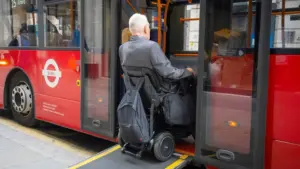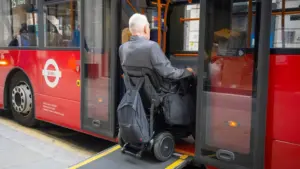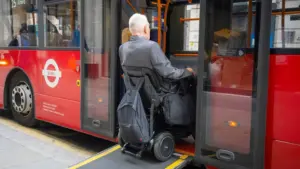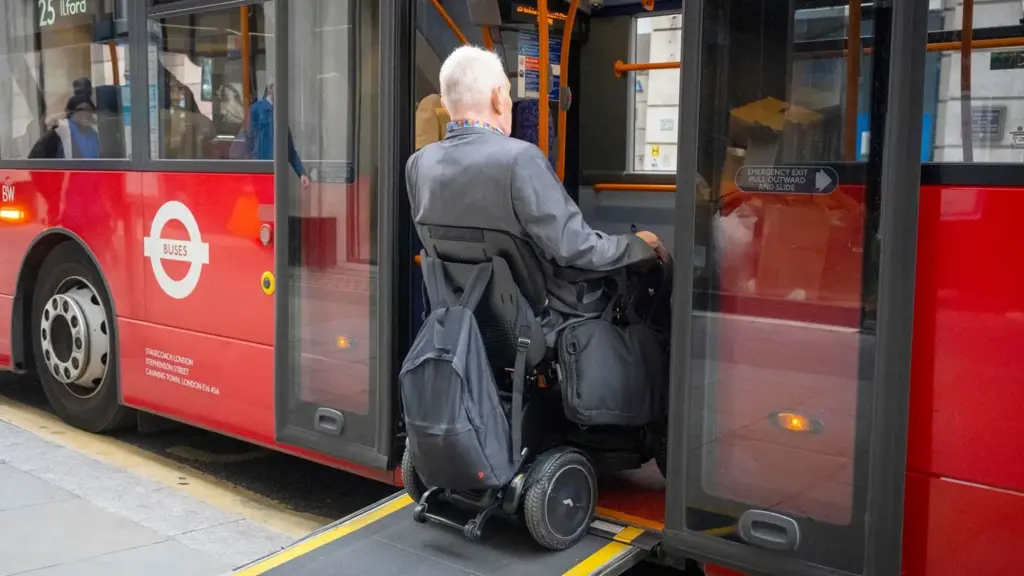
Starting April 1, disabled people across England will be able to travel by bus for free at any time of day, marking a major milestone for public transportation equity and employment accessibility. Previously, free bus passes were restricted to off-peak hours on weekdays, specifically between the hours of 09:30 and 23:00. This long-standing limitation created significant barriers for pass holders attempting to commute to standard morning jobs, arrive early for professional responsibilities, or attend late-night events and social engagements.
The removal of these time limits will benefit an estimated one million people nationwide, effectively transforming the traditional bus pass into a true full-time lifeline. By dismantling temporal restrictions, the policy acknowledges the realities of modern working patterns and social life, ensuring that disabled citizens are no longer penalized by rigid scheduling frameworks when attempting to move about their communities.
The policy follows a successful trial in Greater Manchester’s integrated “Bee Network” and responds to years of tireless campaigning by prominent disability rights organizations, including Scope and Transport for All. For years, these advocates have highlighted the compounding challenges faced by disabled commuters who found themselves locked out of early-morning economic opportunities simply because their concessionary passes were invalid during peak rush hours.

Advocates have widely celebrated the government’s move, praising it for eliminating an unfair "postcode lottery" where the validity of a travel pass depended entirely on local municipal rules and regional funding discretion. Under the previous patchwork system, disabled travelers could experience drastically different transit rights depending on which local authority area they happened to be traversing.
However, while disability organizations have welcomed the universal removal of time constraints, they emphasize that this reform is only one crucial step forward. They note that eligibility requirements across various regions still need broader standardization to ensure true equity nationwide. Even with free travel available around the clock, discrepancies in how local councils determine disability eligibility continue to create administrative hurdles and confusion for vulnerable residents.
To make the program permanent and financially viable for local transit operators, the £60 million scheme is being funded jointly through the Department for Transport and the Department for Work and Pensions. Government officials are framing the sweeping reform as an essential workforce and cost-of-living initiative. This investment aligns with existing national transit measures, such as the nationwide £2 single-fare cap, and successfully brings England in line with similar 24/7 concessionary transit programs that have already been operating successfully in Scotland and Wales.
Global Takeaways: How Other Countries Can Make Accessible Commuting Possible
Making daily commuting accessible and affordable for disabled citizens requires a careful combination of thoughtful policy design, robust digital systems, and targeted public investment. As governments around the world look for ways to stimulate workforce participation and ease financial pressures on marginalized populations, the English reform offers a clear blueprint for structural change.
Why Was the UK Able to Do It?
The ability to implement a nationwide, round-the-clock concessionary transit scheme stems from a concerted effort by central government departments to align transportation policy with broader social welfare and economic goals. By combining resources from both the Department for Transport and the Department for Work and Pensions, the UK government was able to pool financial commitments to absorb the initial revenue impacts on bus operators. Furthermore, sustained pressure from organized civil society groups, combined with empirical data gathered from localized pilot programs like Greater Manchester’s Bee Network, provided policymakers with the necessary evidence to justify a permanent, nationwide rollout.
Does It Depend on Existing Infrastructure?
Yes, heavily. Free transit passes only work if the public transport network is physically and technologically accessible to begin with. Concessionary fare policies cannot exist in a vacuum; they must be supported by physical infrastructure that accommodates wheelchairs, mobility aids, and sensory impairments. This includes low-floor buses equipped with functioning ramps, audio-visual announcement systems, and accessible boarding stops. Additionally, seamless digital systems are required to process smart passes quickly and accurately without causing boarding delays during peak travel times. Without these foundational elements, removing time restrictions on free travel risks driving up demand for services that may not yet be physically equipped to handle a surge in disabled ridership.
What Is Needed to Make Commuting Affordable for People with Disabilities?
Achieving true affordability and accessibility in public transportation requires a multi-faceted approach that goes beyond simply waiving fares. First, governments must establish universal eligibility criteria that eliminate regional disparities and administrative fragmentation. Second, sustained public funding must be guaranteed to compensate transit operators adequately, ensuring that rural and urban routes alike remain viable and frequent. Third, transit authorities must integrate feedback directly from disability advocacy networks to identify ongoing bottlenecks, such as station accessibility gaps or unreliable scheduling. Finally, financial concessions must be paired with proactive workforce integration policies, ensuring that affordable commutes directly lead to greater economic independence and community participation for disabled citizens.