







By Michelle Diament | October 16, 2026
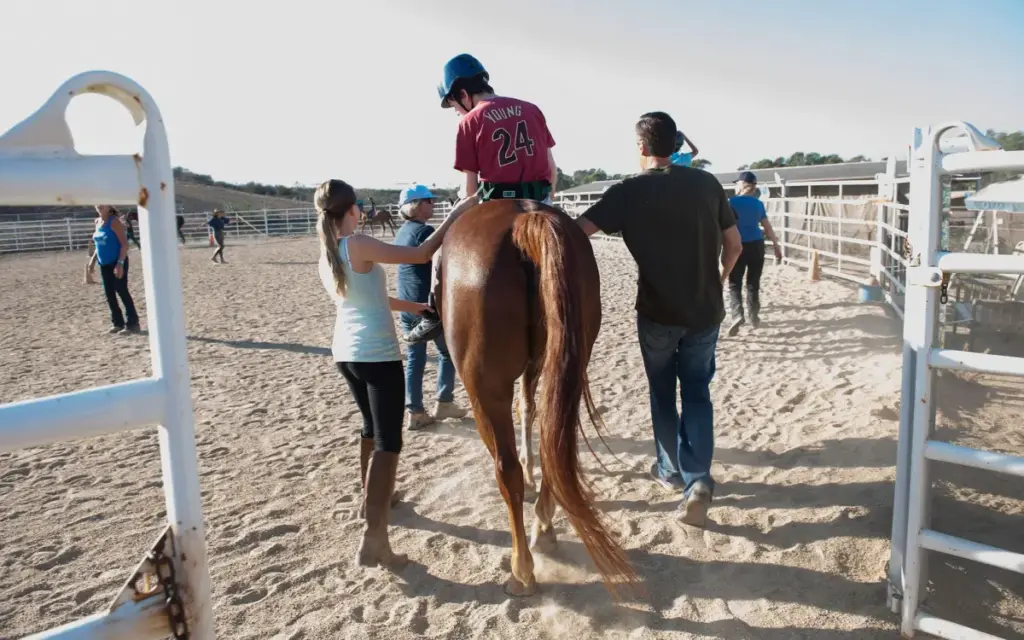
Riding horses or simply spending structured time around them can make a profound difference for children and teenagers with autism, helping to meaningfully reduce hyperactivity and significantly boost social skills, according to new research published this month in the prominent medical journal Pediatrics.
The comprehensive study, which examined 236 children diagnosed with autism spectrum disorder and co-occurring psychiatric conditions, adds robust scientific weight to the growing field of equine-assisted therapy. Researchers discovered that participating in either a dedicated therapeutic horseback riding program or structured barn activities brought about measurable, positive behavioral changes in participants ranging from ages 6 to 16.

To evaluate the impacts of these animal-assisted interventions, the research team designed a controlled study structure. Children who participated were assigned to different groups as part of the evaluation process. Some participants received therapeutic horseback riding lessons once a week for a duration of 10 weeks. Meanwhile, other participants took part in a designated barn activity group where they observed and interacted with the environment around the horses, but did not directly ride them. A third group experienced a waiting period before participating in the barn activity for an initial five weeks, followed by five weeks of active riding lessons.
Across the board, the findings demonstrated that both the active riding program and the secondary barn activity led to significant drops in irritability and hyperactivity among the young participants. Furthermore, researchers noted notable improvements in the children’s overall emotional regulation and social behaviors.
However, when analyzing the specific nuances of the data, the research team observed a distinct advantage to being in the saddle. The greatest impact on hyperactivity specifically was recorded among children who were assigned to the active riding group.
"There is something about riding a horse that is particularly helpful for kids with hyperactivity," said Robin Gabriels, a professor of psychiatry at the University of Colorado who led the multi-site study.
The physical mechanics and rhythmic movement of the horse, combined with the focused attention required to guide the animal, appear to offer a unique form of engagement that traditional office or clinical settings often struggle to replicate. While horseback riding is not presented as a cure-all, nor is it necessarily the right therapeutic fit for every individual child on the spectrum, the researchers emphasize that their findings strongly suggest it serves as an exceptionally valuable complementary approach to existing treatments and therapies.
Working with large animals in an open, outdoor environment introduces dynamics that appeal to children who might otherwise struggle with conventional behavioral interventions. "Working with horses gives these kids a chance to do something active, social and engaging," Gabriels explained. "For some children, that may be a particularly effective way to help them develop skills that can be difficult to teach in a traditional clinical environment."
The publication of these findings in Pediatrics provides clinicians, educators, and families with more empirical data regarding alternative and complementary interventions for youth with developmental disabilities and co-occurring psychiatric challenges. As the medical and therapeutic communities continue to seek diverse pathways to support individuals with autism, equine-assisted programs continue to gain recognition for their ability to foster emotional growth, decrease challenging behaviors, and offer meaningful recreational and therapeutic engagement outside of the standard clinical office.