




By Michelle Diament | October 16, 2026
Riding horses or simply spending time around them can make a substantial, measurable difference for children with autism, helping to significantly reduce hyperactivity and boost crucial social skills, according to new research published this month in the journal Pediatrics.
In a robust study involving 236 children diagnosed with autism and co-occurring psychiatric conditions, researchers discovered that participating in either a structured therapeutic horseback riding program or engaging in supervised barn activities brought about meaningful developmental and behavioral benefits. The findings shed light on alternative, highly engaging methods that can complement traditional clinical therapies for youth on the spectrum.

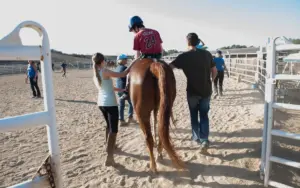
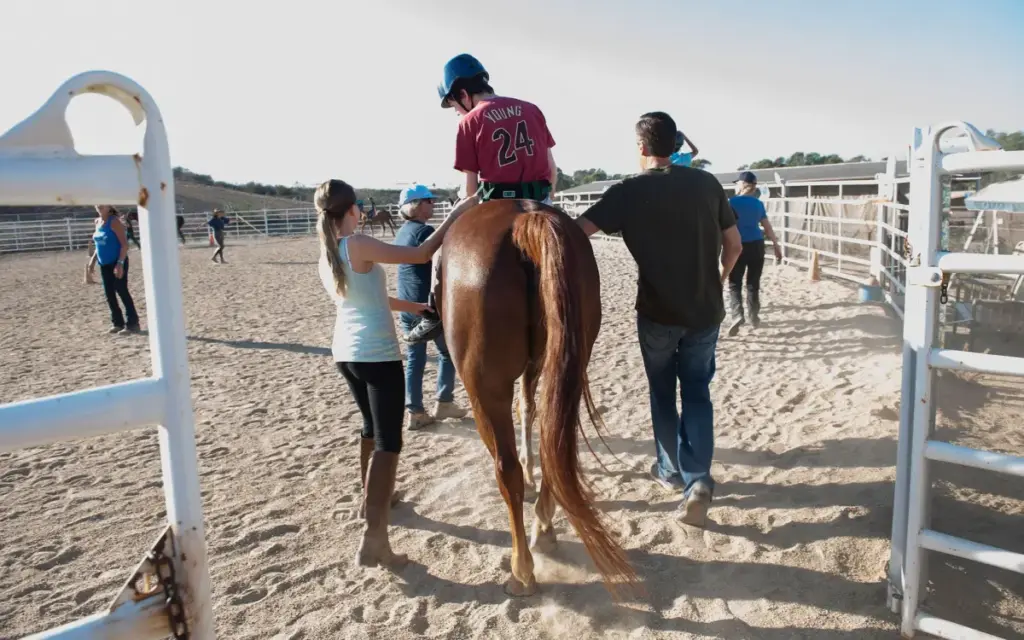
The participants in the study, all of whom were between the ages of 6 and 16, were divided into different groups to evaluate the distinct impacts of equine-related activities. Some of the children were assigned to receive therapeutic horseback riding once a week for a period of 10 weeks. Others took part in a barn activity group where they were exposed to horses and observed them closely, but did not physically ride or directly interact with the animals.
A third group served as a control mechanism through a waiting period before participating in the barn activity for five weeks, followed by five weeks of active riding lessons. This methodological design allowed researchers to carefully isolate the impacts of being in an equestrian environment versus the active physical engagement of riding a horse.
According to the findings published in Pediatrics, both the active riding program and the passive barn activities led to significant, noticeable drops in irritability and hyperactivity among the participants. Furthermore, the children demonstrated measurable improvements in emotional regulation and social behaviors, areas that are frequently challenging for youth with autism and co-occurring psychiatric conditions.
However, the data revealed a critical distinction regarding the intensity of the impact. The greatest and most pronounced effect on hyperactivity specifically was observed among the children who were placed in the active riding group. While simply being around the barn and observing the animals provided notable psychological and behavioral benefits, the physical act of riding appeared to trigger a unique therapeutic response.
"There is something about riding a horse that is particularly helpful for kids with hyperactivity," said Robin Gabriels, a professor of psychiatry at the University of Colorado who led the comprehensive research study.
The researchers were careful to note that while horseback riding and equine-related therapies offer remarkable advantages, this approach is not necessarily the right fit for every single child with autism. Individual preferences, sensory sensitivities, physical safety considerations, and comfort levels with animals must always be taken into account by families and healthcare providers.
Nevertheless, the study’s authors emphasize that their findings strongly suggest equine-assisted activities serve as an excellent, highly effective way to supplement existing therapeutic interventions. Traditional clinical environments, while necessary and beneficial, sometimes struggle to capture a child’s attention or provide dynamic social contexts in the same way an outdoor, animal-assisted setting can.
"Working with horses gives these kids a chance to do something active, social and engaging," Gabriels said, elaborating on the therapeutic mechanisms at play in the barn environment. "For some children, that may be a particularly effective way to help them develop skills that can be difficult to teach in a traditional clinical environment."