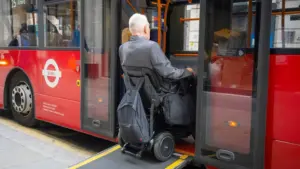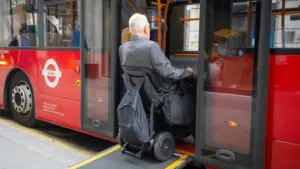







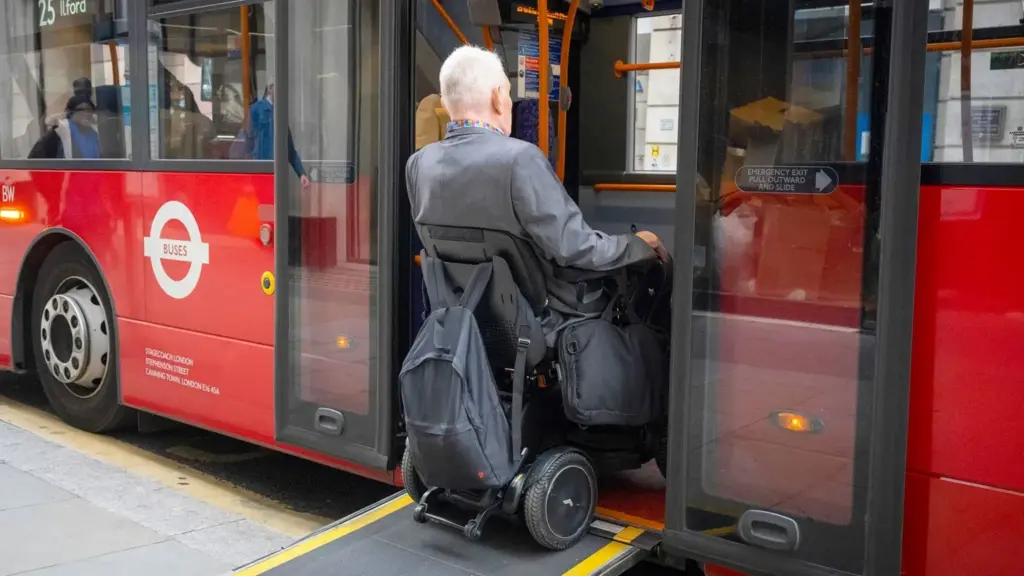
Starting April 1, disabled people across England will be able to travel by bus for free at any time of day, marking a major transformation in public transit accessibility. Previously, free bus passes were restricted to off-peak hours on weekdays, specifically limited to the window between 09:30 and 23:00. This historical constraint created persistent barriers for pass holders attempting to commute to standard morning jobs, arrive early for professional commitments, or attend early-morning appointments and late-night events.
The removal of these time limits will benefit an estimated one million people nationwide, effectively turning bus travel into a true full-time lifeline for disabled citizens. By dismantling the restrictions that tied mobility to specific hours of the day, the policy overhaul acknowledges the realities of modern working patterns and social life, ensuring that public transportation accommodates the actual schedules of disabled passengers rather than imposing arbitrary limitations.
The policy follows a successful trial in Greater Manchester’s integrated "Bee Network" and responds to years of sustained campaigning by prominent disability rights organizations, including Scope and Transport for All. Advocates have celebrated the move for eliminating an unfair "postcode lottery," a fragmented system where the validity and usefulness of a pass heavily depended on local municipal rules and regional funding variations.

Despite the widespread praise, disability organizations emphasize that this reform is only one crucial step forward. They note that eligibility requirements across various regions still need broader standardization to ensure true equity nationwide, as differences in local application processes and criteria continue to create administrative hurdles for vulnerable residents.
To make the program permanent and nationwide, the £60 million scheme is being funded jointly through the Department for Transport and the Department for Work and Pensions. Government officials frame the reform as an essential workforce and cost-of-living initiative. This investment aligns with existing transit measures, such as the nationwide £2 single-fare cap, and successfully brings England in line with similar 24/7 concessionary transit programs that have long been operating in Scotland and Wales.
Global Takeaways: How Other Countries Can Make Accessible Commuting Possible
Making daily commuting accessible and affordable for disabled citizens requires a comprehensive combination of thoughtful policy design, reliable digital systems, and targeted public investment. As transportation authorities around the world look for models to emulate, the English reform provides a clear case study in how systemic barriers can be addressed through coordinated government action and sustained advocacy.
Why Was the UK Able to Do It?
The realization of this nationwide policy was made possible through a convergence of political will, financial commitment, and grassroots pressure. Years of advocacy from organizations like Scope and Transport for All kept the issue visible to lawmakers, while successful regional pilot programs—most notably Greater Manchester’s "Bee Network"—provided empirical evidence that lifting time restrictions was operationally feasible and beneficial to local economies. Furthermore, the collaboration between the Department for Transport and the Department for Work and Pensions demonstrated that transit accessibility is deeply intertwined with employment and welfare policy, allowing for shared funding structures that distribute the financial responsibility across government departments.
Does It Depend on Existing Infrastructure?
Yes, heavily. Free transit passes only work if the public transport network is physically and technologically accessible to begin with. Concessionary fares lose their value if passengers cannot physically board vehicles, navigate stations, or receive timely travel information.
An effective system relies heavily on physical accessibility features, such as low-floor buses with functioning wheelchair ramps, audible and visual next-stop announcements, and step-free access at transit hubs. Additionally, technological infrastructure plays a vital role. Smart ticketing systems, real-time tracking apps, and standardized digital passes reduce friction for users and ensure that concessions can be validated seamlessly across different operators and regions without administrative delays. Without these foundational elements in place, expanding fare concessions can expose gaps in service quality, highlighting the reality that financial access must go hand-in-hand with physical and digital modernization.
What Is Needed to Make Commuting Affordable for People with Disabilities?
Achieving true affordability requires more than just issuing free passes; it demands a holistic approach to transit economics that addresses the broader financial realities faced by disabled individuals.
First, policies must eliminate restrictive time caps, such as off-peak hour limitations, to ensure that public transit supports employment and flexible schedules. Second, regional discrepancies must be addressed to eradicate postcode lotteries, ensuring that a pass holds equal value and validity regardless of where a traveler lives or journeys. Third, targeted public subsidies funded through national budgets are essential to relieve cash-strapped local authorities of the financial burden, preventing service cuts or higher taxes at the municipal level. Finally, ongoing consultation with disability advocacy groups is necessary to ensure that funding and policy adjustments continually reflect the evolving needs of the communities they are designed to serve.