





By Michelle Diament | October 16, 2026
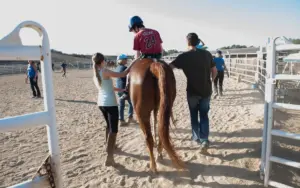
Riding horses or simply spending structured time around them can make a profound, measurable difference for children with autism, helping to significantly reduce hyperactivity and enhance vital social skills, according to newly published scientific research.
In a comprehensive study examining 236 children diagnosed with autism spectrum disorder and various co-occurring psychiatric conditions, researchers discovered that participating in either a dedicated therapeutic riding program or structured barn activities produced meaningful, positive behavioral outcomes. The findings offer fresh insight into non-traditional therapeutic interventions that can complement standard clinical care for youth facing developmental and behavioral challenges.

The study, which was published this month in the prominent medical journal Pediatrics, explored the effects of equine-assisted activities on children ranging in age from 6 to 16 years old. To determine the specific impacts of direct riding versus general environmental exposure, the research team divided the participants into distinct groups with varying schedules.
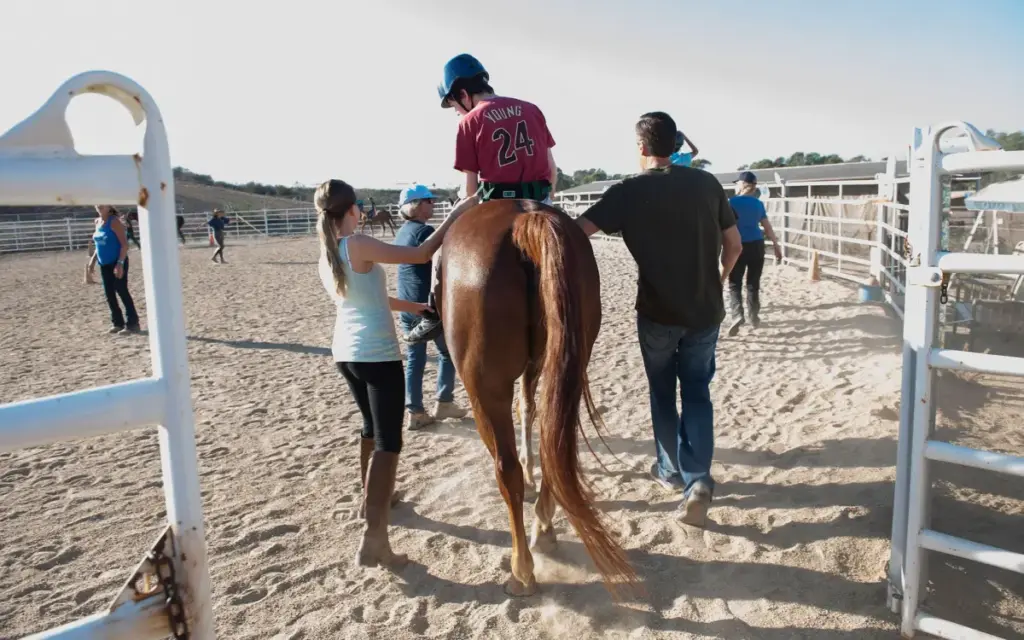
Some of the children participating in the study were assigned to receive therapeutic horseback riding sessions once a week for a duration of 10 weeks. Others took part in a separate barn activity group where they were exposed to the environment, saw the horses up close, and engaged in stable-related tasks, but did not physically mount or ride the animals. A third cohort served as a control group, undergoing a waiting period before participating in barn activities for five weeks, followed subsequently by five weeks of hands-on riding lessons.
Upon evaluating the behavioral changes across all groups, the researchers found that both the active riding programs and the ground-based barn activities led to significant drops in irritability and hyperactivity among the participants. Furthermore, the children demonstrated noticeable improvements in emotional regulation and everyday social behaviors, indicating that simply being in the presence of the animals and participating in stable routines provided a therapeutic benefit.
However, the data revealed a crucial distinction regarding the intensity of the impact. The greatest and most pronounced reduction in hyperactivity was observed specifically among the children who participated in the active riding group. While ground-based barn interactions offered clear developmental advantages, mounting and riding the horses provided an additional layer of behavioral stabilization that stood out during the evaluation.
"There is something about riding a horse that is particularly helpful for kids with hyperactivity," said Dr. Robin Gabriels, a professor of psychiatry at the University of Colorado School of Medicine who led the research team behind the study.
The rhythmic movement of the horse, combined with the physical demands of maintaining posture, guiding the animal, and processing sensory inputs from the surrounding environment, creates a unique multisensory experience. Researchers suggest that this combination helps engage children in a way that traditional, sedentary therapeutic environments often struggle to replicate.
While the results point to clear benefits, the researchers emphasized that therapeutic horseback riding is not a universal solution and may not be appropriate or accessible for every child with autism. Factors such as severe sensory sensitivities, physical limitations, allergies, or fear of large animals can prevent some children from safely or comfortably participating in equine programs. Consequently, the study’s authors frame horseback riding not as a standalone cure or replacement for established medical treatments, but rather as a highly effective, complementary approach that can be integrated into a broader therapeutic plan.
"Working with horses gives these kids a chance to do something active, social, and engaging," Dr. Gabriels noted, highlighting the experiential nature of the intervention. "For some children, that may be a particularly effective way to help them develop skills that can be difficult to teach in a traditional clinical environment."
Traditional therapies for children with autism frequently take place indoors within clinical offices, schools, or specialized treatment centers. While these environments are essential for targeted behavioral therapy, speech therapy, and occupational development, they can sometimes feel sterile or overly restrictive for children who struggle with severe hyperactivity or emotional regulation. In contrast, equestrian centers and therapeutic riding facilities offer expansive, dynamic outdoor settings where learning occurs through physical movement, social interaction with instructors and peers, and direct engagement with living animals.
The publication of these findings adds to a growing body of literature examining the physiological and psychological mechanisms underlying animal-assisted therapies. As healthcare providers, educators, and families continue to look for diverse ways to support children on the autism spectrum, studies like this provide empirical backing for programs that have long been valued anecdotally by parents and riding instructors alike.
By demonstrating that even basic barn activities can yield improvements in irritability and emotional control, while active riding delivers exceptional results for hyperactivity, the research provides a clearer framework for how equine programs can be structured to maximize therapeutic outcomes for youth with developmental disabilities.