





A growing number of students in the nation’s public schools are identified as having disabilities, according to newly released comprehensive federal data that also highlights a deeply troubling trend: these vulnerable children are significantly more likely to experience physical restraint, seclusion, and other severe forms of exclusionary discipline than their non-disabled peers.
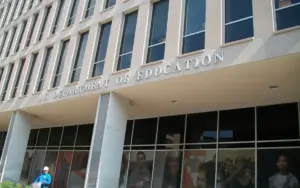
The findings are part of the latest civil rights data collection released by the U.S. Department of Education, offering a sweeping look at the educational landscape across nearly 18,000 school districts. The report provides critical insights into how public education systems serve nearly 50 million children nationwide, illuminating both the changing demographics of American classrooms and the persistent inequities that children with special needs continue to face on a daily basis.
According to the federal figures, students with disabilities now account for 19% of the nearly 50 million children enrolled in public schools across the United States. This percentage reflects a notable upward tick compared to findings from just two years prior, when the civil rights data collection identified students with disabilities as making up 17% of the total public school population.

A closer examination of the data reveals how these students receive specialized support within the educational infrastructure. Approximately 15% of all public school students are served under the Individuals with Disabilities Education Act, commonly known as IDEA, while an additional 4% receive supportive services and accommodations under Section 504 of the Rehabilitation Act of 1973.
The comprehensive figures are derived from detailed reports submitted by 17,591 school districts, accounting for over 97,000 individual schools spanning the 2023 through 2024 academic year. While the U.S. Department of Education initially made raw numbers public in August, the agency’s subsequent release provides a much anticipated, detailed report reflecting key findings and systemic patterns from schools across the country.
The agency’s Office for Civil Rights typically conducts this critical civil rights data collection on a biennial basis. The sweeping survey mandates participation from all public schools, school districts, charter schools, alternative learning environments, juvenile justice facilities, and other educational entities receiving federal financial assistance. These institutions are required to report on a wide array of metrics, including overall enrollment figures, student access to advanced academic courses and qualified teachers, disciplinary actions, and various other indicators of educational equity.
The latest report underscores the sheer scale of the population being served under federal disability laws. Roughly 7.6 million students with disabilities, ranging from preschool age through high school, received services under IDEA during the period evaluated. Demographic breakdowns within this population show that about two-thirds of the students served under IDEA are boys, a long-documented trend in special education identification.
However, it is the intersection of disability status and harsh disciplinary practices that has once again drawn intense scrutiny from civil rights advocates, educators, and families. Despite representing a distinct minority of the overall student body, children with disabilities bear the overwhelming brunt of the nation’s most restrictive and potentially harmful disciplinary interventions.
The data reveals a stark and disproportionate reality regarding physical intervention and exclusionary discipline. While children with individualized education programs—commonly referred to as IEPs—account for just 15% of the total public school student population, they represent an astonishing 68% of all children who experience seclusion in school settings. Furthermore, these same students account for 73% of all children who are subjected to physical restraint by school personnel.
The disparities extend deep into traditional disciplinary measures as well. Students receiving services under IDEA account for approximately a quarter of all students receiving either in-school or out-of-school suspensions. Additionally, they make up 23% of all students who face outright expulsion from their educational institutions.
These staggering statistics point to systemic challenges in how schools manage behavioral crises and support students with complex developmental, emotional, or physical needs. Rather than utilizing supportive, therapeutic, or preventative interventions, educational systems are frequently relying on restrictive measures that isolate and punish students for behaviors often directly related to their underlying conditions.
The persistence of these alarming disparities has drawn sharp criticism from advocacy organizations dedicated to protecting the rights of vulnerable learners. Denise Marshall, chief executive officer of the Council of Parent Attorneys and Advocates—a prominent nationwide nonprofit organization that advocates for the educational rights of students with disabilities and their families—spoke out forcefully against the findings contained in the new federal report.
“Students with disabilities and students who are black are still subjected to disproportionately high exclusionary discipline, restraint and seclusion,” Marshall stated, emphasizing that these vulnerable student populations face intersecting systemic barriers within the public education system.
Marshall argued that the routine reliance on punitive measures fundamentally undermines the core mission of public education, noting that every instance of exclusionary discipline deprives a child of valuable instructional time and emotional safety. “Every time schools resort to suspending, restraining or secluding, the child is not learning. The program has failed them,” she said.
Furthermore, Marshall stressed that the knowledge and tools required to address student behavior constructively already exist within the educational community, making the reliance on restraint and seclusion entirely unacceptable. “We know there are better, evidence-based alternatives available and we need to use them. Just reporting out the data is not enough,” she added, calling for immediate, substantive action from school administrators, policymakers, and federal oversight bodies to transform school climate and discipline policies nationwide.