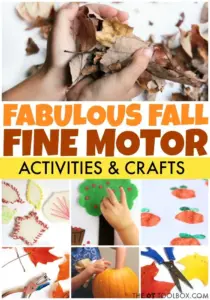




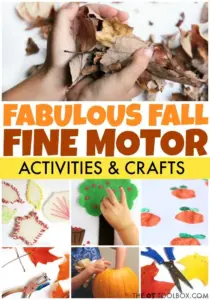




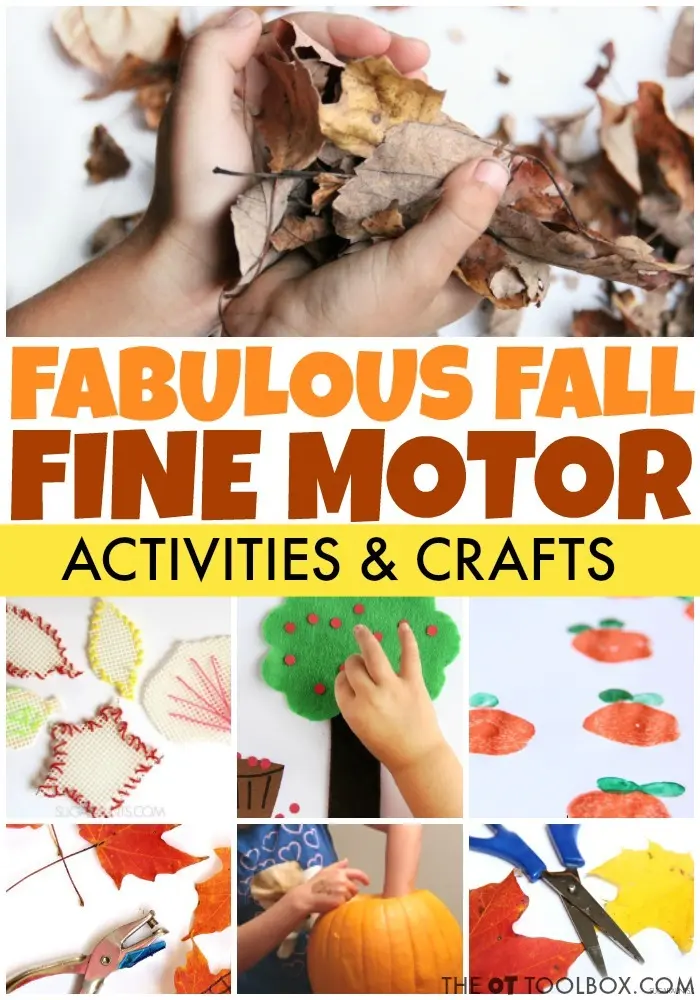
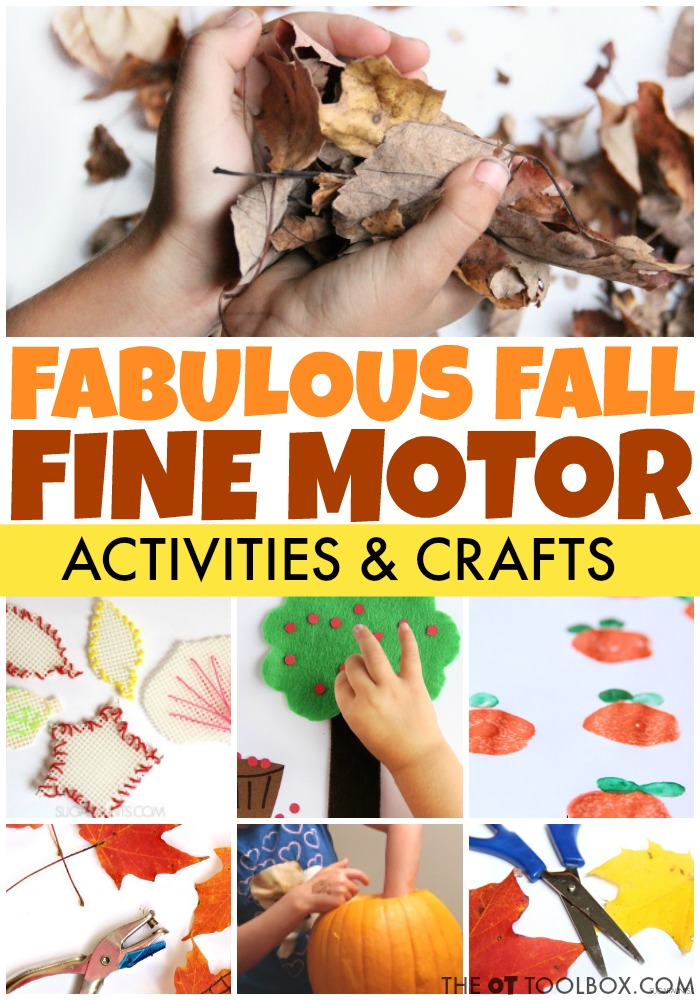
As the crisp autumn air settles in and the vibrant foliage of changing leaves blankets neighborhoods, educators, occupational therapists, and parents are increasingly leaning into seasonal themes to support children’s fundamental developmental milestones. Rather than selecting autumn-inspired activities merely for their festive appeal, professionals are harnessing the natural elements of the season—such as apples, pumpkins, leaves, and gourds—to specifically target crucial fine motor skills, hand strength, and visual-motor coordination in young learners.
The shift toward seasonal integration comes as specialists emphasize the necessity of addressing specific developmental areas, including hand strength, finger dexterity, scissor proficiency, visual-motor integration, and handwriting mechanics. Many traditional autumn pastimes naturally overlap these skill categories, allowing therapists and educators to adapt familiar play routines to meet individual therapeutic goals for toddlers, preschoolers, and early elementary students.
Specialists note that the transition into cooler weather offers an ideal environment for sensory-rich experiences that promote both fine and gross motor movement. Seasonal materials naturally encourage children to engage in grasping, pinching, pulling, and manipulating small items, which are essential precursors to advanced tasks like holding a pencil, managing clothing fasteners, and opening containers.
Targeting Hand Strength Through Seasonal Play
Building foundational hand strength is a primary focus for pediatric occupational therapists during the fall months, as weak intrinsic hand muscles can significantly impact a child’s writing endurance and daily functional independence. To address this, professionals utilize targeted activities that provide natural resistance to the fingers and hands.
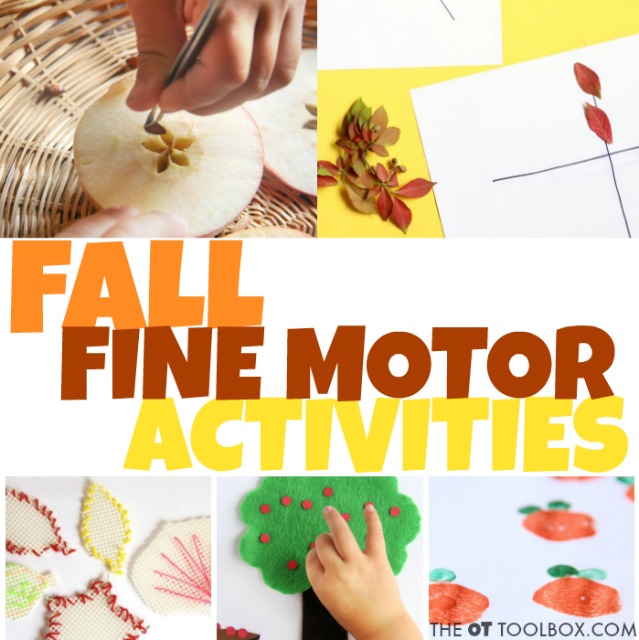
One popular approach involves apple-themed geoboards, where children stretch rubber bands across pegs to recreate specific fruit designs. This exercise provides controlled resistance while simultaneously demanding precision and deliberate release, reinforcing both hand and finger strength alongside bilateral coordination and motor planning. Therapists frequently modify these tasks by swapping out standard bands for thicker, more resistant alternatives or by simplifying visual layouts for children who find the spatial demands challenging.
Play dough activities also remain a staple in therapeutic settings, particularly when infused with autumn scents and paired with seasonal manipulatives. Rolling, squeezing, pinching, and pressing soft dough provide vital proprioceptive feedback while naturally exercising the small muscles of the hands. Therapists often embed mini leaves, acrylic acorns, or autumn-colored beads into the dough to encourage targeted grasping patterns, arch development, and wrist stability without the children feeling as though they are performing structured exercises.
Hole-punching activities offer another effective method for building sustained hand force. By having children punch decorative holes along the printed edges of apple or leaf templates, practitioners observe improvements in gross grasp and bilateral coordination, as one hand must firmly stabilize the paper while the other operates the punch.
Enhancing Manual Dexterity with Autumn Manipulatives
Manual dexterity requires the coordinated, precise movement of the fingers, combining speed, spatial awareness, and strength. During the autumn season, educators and therapists utilize small craft materials—such as craft pom-poms, seeds, paper clips, and small sorting items—to transform routine play into refined finger manipulation exercises.
Autumn tree geoboards, for instance, require children to use their fingertips rather than their whole hands to grasp, stretch, reposition, and release rubber bands around individual pegs. Similarly, apple-themed counting cards paired with standard paper clips encourage precise fingertip control and bilateral hand use, as students attach the correct number of metal clips to laminated templates while maintaining stability.
Pom-pom transfers represent another versatile strategy utilized in therapy sessions. By tasking children with moving fall-colored pom-poms into ice cube trays or muffin tins using tongs or child-safe tweezers, practitioners can easily grade the activity up or down by altering the size of the objects or the resistance of the tools, thereby directly addressing fine motor precision.
Scissor Skills and Visual-Motor Integration
Autumn-themed crafts and worksheets provide a practical medium for developing essential scissor competencies. Cutting tasks inherently require bimanual coordination, as the dominant hand opens and closes the scissors while the non-dominant helper hand stabilizes, rotates, and guides the paper along a designated visual path.
Specialists utilize structured cutting practice pages featuring apple outlines and farm-themed cut-and-paste assemblies to evaluate and build scissor control. Beyond simple snipping, educators often incorporate real autumn leaves into art projects, allowing children to cut foliage into smaller pieces or trim around natural edges. Cut-and-paste crafts introduce an additional layer of cognitive and spatial demand, requiring students to sequence steps, orient cut pieces correctly, and glue them into precise positions to satisfy visual-spatial and executive functioning goals.
Visual-motor coordination frequently underpins fine motor success, as children must accurately translate visual information into coordinated hand movements. Fall-themed directed drawing exercises—focusing on acorns, pumpkins, and leaves—challenge students to replicate spatial relationships by observing a model and reproducing lines on paper. Similar cognitive and visual demands are addressed through seasonal pattern blocks and seek-and-find I Spy activities, which foster visual scanning, figure-ground perception, and sustained visual attention.
Handwriting and No-Prep Environmental Strategies
As children progress in their fine motor abilities, autumn-themed writing prompts provide a meaningful context for practicing handwriting skills without relying exclusively on isolated letter drills. Educators and therapists utilize structured prompt cards to accommodate mixed-ability groups, allowing emerging writers to practice single fall vocabulary words while developing writers construct complete sentences or paragraphs. These writing tasks allow professionals to simultaneously monitor and support proper line awareness, letter sizing, spacing, and overall writing endurance.
For classrooms and therapy clinics operating with limited preparation time, everyday natural elements found outdoors or around the home offer immediate developmental benefits. Simple actions such as tearing, crumpling, and stringing fallen leaves, sorting acorns with tongs, or manipulating plastic bread ties into seasonal crafts require minimal resources while effectively reinforcing the precise motor skills children need for academic and everyday tasks throughout the autumn season and beyond.