






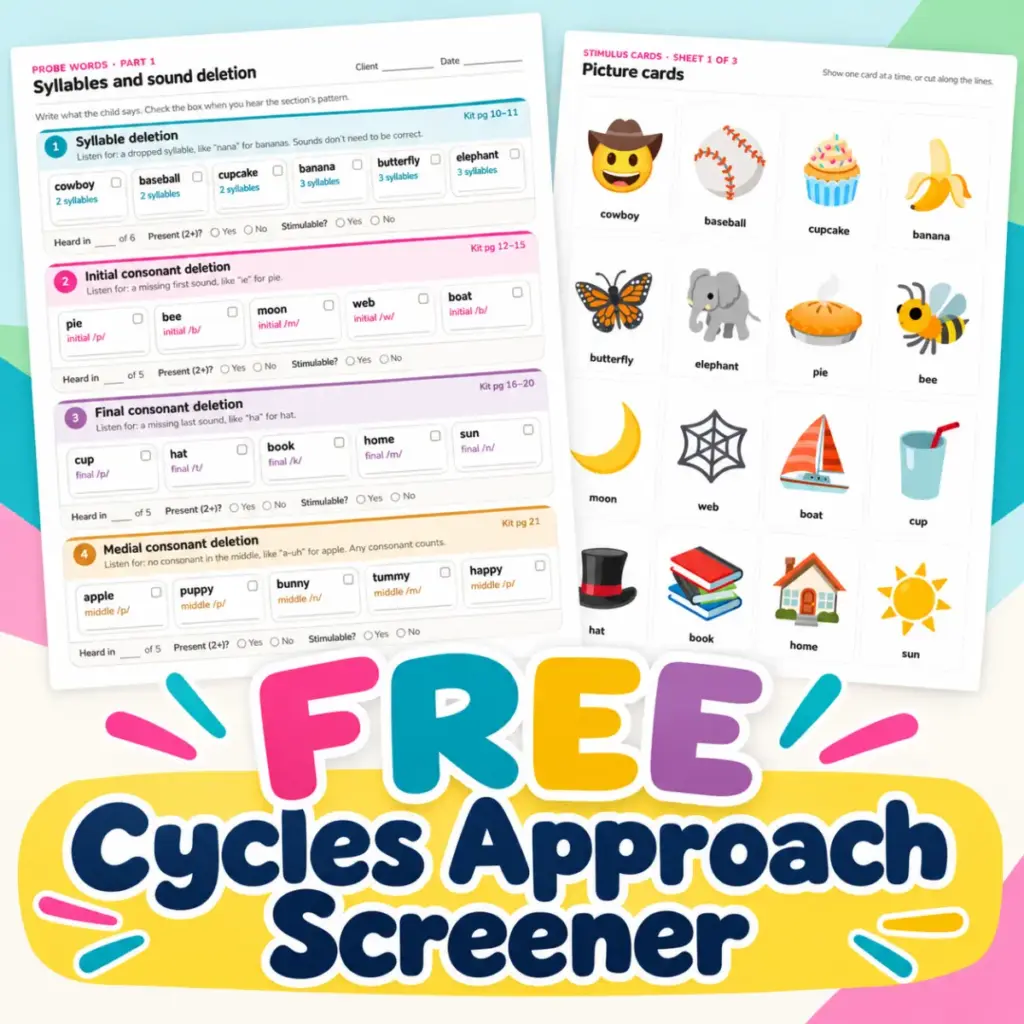
For many speech-language pathologists (SLPs), the daily reality of clinical practice is often defined by a fragmented approach to lesson planning. Professionals frequently find themselves navigating a labyrinth of digital marketplaces, such as Teachers Pay Teachers, attempting to cobble together disparate resources to address the diverse needs of their caseloads. This process is not only time-consuming but can also lead to inconsistencies in therapeutic delivery. Recognizing this persistent challenge, the team at Speech and Language Kids (SLK) is positioning itself at the forefront of a systemic shift in the field, offering a comprehensive, structured curriculum designed to replace the ad-hoc nature of traditional therapy preparation with a more streamlined and effective framework.
The core of the SLK initiative is built upon the premise that clinical efficacy should not come at the cost of practitioner burnout. By providing organized, step-by-step therapy plans, the organization aims to alleviate the cognitive load on SLPs, allowing them to focus their energy on the interpersonal and clinical nuances of their work rather than on the labor-intensive assembly of materials. This transition from a "piecemeal" methodology to a cohesive, curriculum-based approach represents a significant evolution in how communication skills are taught and reinforced in clinical settings.
The challenge of modern speech-language pathology often stems from the overwhelming volume of individual materials available to clinicians. While these resources can be high-quality, the lack of a unifying thread can leave therapists struggling to maintain a logical progression of skills for their clients. Speech and Language Kids has identified this gap as a primary barrier to both clinician satisfaction and optimal client outcomes. By centralizing the instructional process into a structured format, the organization is effectively providing a roadmap that guides therapists through the complexity of speech development, ensuring that each lesson builds logically upon the previous one.

Over the years, Speech and Language Kids has cultivated a robust reputation for supporting the professional development of thousands of SLPs. This support extends beyond the curriculum itself; it encompasses a vibrant, professional community where clinicians can share experiences, seek advice, and find the encouragement necessary to navigate the often-demanding nature of the profession. This community-centric model has proven vital in a field where practitioners frequently work in relative isolation, whether in schools, private clinics, or home-health environments. The success of these structured programs suggests that when clinicians are provided with the right tools and a supportive network, their ability to facilitate communication breakthroughs in children is significantly enhanced.
The impact of this approach is multifaceted. For the clinician, it translates into reclaimed time—hours that would otherwise be spent scouring the internet for worksheets or games are now redirected toward actual therapy. For the children receiving services, it translates into a more predictable and tailored learning experience. When a curriculum is structured and sequential, it minimizes the gaps in skill acquisition and allows for more accurate tracking of progress over time. This dual benefit—improving the practitioner’s work-life balance while simultaneously elevating the standard of care for their clients—has become the hallmark of the SLK model.
Despite the widespread adoption of their current offerings, the team at Speech and Language Kids maintains that their work is far from finished. The field of speech-language pathology is dynamic, influenced by emerging research, shifting educational standards, and the evolving needs of the pediatric population. To remain relevant and effective, the organization has committed to a continuous cycle of innovation. This commitment is evidenced by their ongoing efforts to build new programs and update existing frameworks to address the contemporary challenges faced by SLPs and the families they serve.
This proactive stance on development is particularly important in an era where digital tools are fundamentally changing the landscape of therapy. As telepractice continues to grow and as technology becomes increasingly integrated into the classroom, the need for adaptable, high-quality curricula has never been greater. Speech and Language Kids is currently focusing on how to integrate these modern demands into their existing structure, ensuring that their tools are as relevant in a virtual environment as they are in an in-person session. By anticipating these shifts, they aim to provide a foundation that is resilient against the rapid changes that often characterize modern clinical practice.
The philosophy guiding this expansion is deeply rooted in the belief that the future of the profession lies in collaboration and structural integrity. Rather than viewing the current state of therapy resources as a static marketplace, the team at SLK sees it as a work in progress—a landscape that requires thoughtful, evidence-based curation to be truly useful. Their invitation to the wider community of SLPs to join this movement reflects an understanding that true change in the profession requires a collective effort. It is not enough to simply provide a better tool; one must also foster an environment where that tool can be used to its full potential by a diverse range of professionals.
As the organization looks to the future, the focus remains on the primary goal: helping more children achieve better communication outcomes. This focus is what drives the iterative process of program development. Every new module, every update to a therapy plan, and every community initiative is designed with the end-user—the child—in mind. By streamlining the "behind-the-scenes" work of the therapist, SLK ensures that the spotlight remains firmly on the interaction between the clinician and the child. This is where the most significant progress occurs, and it is the metric by which the success of any educational or therapeutic program should ultimately be measured.
The ongoing efforts of Speech and Language Kids represent a significant pivot point in the industry. As the demand for speech-language services continues to rise globally, the pressure on clinicians to perform efficiently while maintaining high standards of care will only increase. By offering a sustainable, organized, and community-backed alternative to the traditional, fragmented approach, SLK is not merely providing resources; they are helping to define a new standard for the profession. This movement toward structural clarity and professional support is an essential step forward for speech-language pathologists everywhere, promising a future where the craft of therapy is supported by a robust, reliable, and continuously evolving foundation.
For many, the invitation to join this movement is more than just an invitation to use a specific curriculum; it is an invitation to be part of a larger conversation about the future of the field. It is an acknowledgment that while the core tenets of communication and language development remain constant, the methods by which we teach those skills must adapt to the complexities of the modern world. By prioritizing the needs of the SLP and, by extension, the child, Speech and Language Kids is actively building a path forward that values efficiency, community, and, above all, the transformative power of effective therapy. As they continue to innovate and expand, the impact of their work will likely be felt across the diverse settings where speech-language pathology is practiced, setting a new benchmark for what it means to be a modern, supported, and successful clinician.