





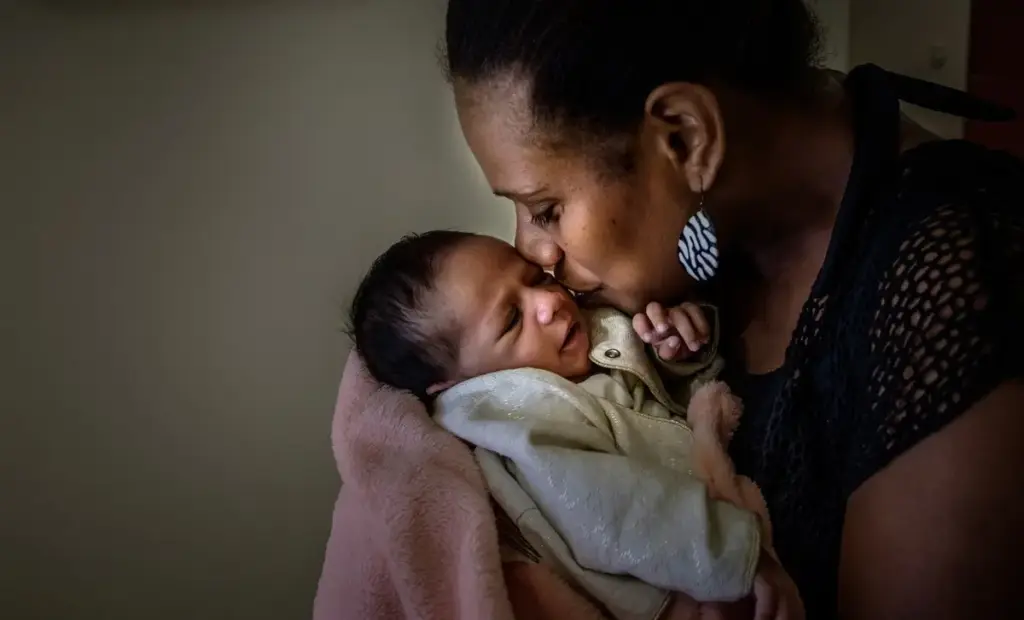
On the occasion of World Health Day 2025, celebrated under the resonant theme “Healthier beginnings, hopeful futures,” more than 100 global offices of the World Health Organization (WHO) have mobilized to launch wide-ranging public advocacy actions. Working in close collaboration with Member States, grassroots communities, dedicated health workers, partner and donor agencies, and civil society organizations, these offices are spearheading an unprecedented global movement to safeguard the health and well-being of mothers and newborns worldwide.
This coordinated international mobilization serves as a powerful response to a critical juncture for the global health sector. The initiatives highlight the urgent necessity of protecting critical maternal and newborn health-related services, which are increasingly under severe threat due to mounting funding challenges and aid cuts. As United Nations agencies have recently warned, these financial constraints threaten to dismantle fragile progress achieved over decades in ending preventable maternal deaths and ensuring safe deliveries for women in vulnerable communities across the globe.
Marking the 77th anniversary of the founding of the World Health Organization, World Health Day 2025 also serves as the official launchpad for a comprehensive, year-long campaign dedicated entirely to maternal and newborn health. Throughout the year, the WHO and its diverse network of partners will urge governments, policymakers, and the global health community to significantly ramp up efforts to eliminate preventable maternal and newborn deaths, while simultaneously prioritizing the longer-term health, dignity, and well-being of women everywhere.
The mobilization spans multiple continents, reflecting the universal relevance of the crisis and the widespread determination of health advocates to push back against the impending backsliding of maternal health indicators. In countries spanning the African Region, the Americas, the Eastern Mediterranean, Europe, South-East Asia, and the Western Pacific, localized campaigns and high-level discussions are bringing together traditional leaders, health practitioners, and community members to address the foundational elements of family and community health.
A notable example of these localized dialogues took place in Chile, where the PAHO/WHO Chile Country Representative, Giovanni Escalante Guzmán, joined forces with Mapuche leader Juana Cheuquepan. Together, they participated in a prominent discussion focused on mother and newborn health as the vital basis for healthy families and communities. Held on 7 April 2025, the dialogue underscored the importance of integrating culturally safe practices and community-led perspectives into national and regional healthcare frameworks to ensure that marginalized and indigenous populations are not left behind during times of financial austerity.
The worldwide actions taking place this week generate a robust and unified response to the global alarm sounded by UN agencies on World Health Day. Experts and advocates are warning that without immediate corrective measures and sustained financial commitments, the international community risks witnessing a major regression in maternal and newborn survival rates. The convergence of advocacy events, policy forums, and community engagements in over 100 countries demonstrates a shared global resolve to keep maternal and newborn health at the very top of the international development agenda.
As the year-long campaign moves forward, the WHO continues to coordinate efforts through its regional structures, ensuring that the voices of health workers, mothers, and vulnerable populations are heard by decision-makers who hold the power to allocate resources and protect essential health services. Through sustained public advocacy and international solidarity, the global health community aims to navigate these unprecedented financial hurdles and secure healthier beginnings and hopeful futures for generations to come.