





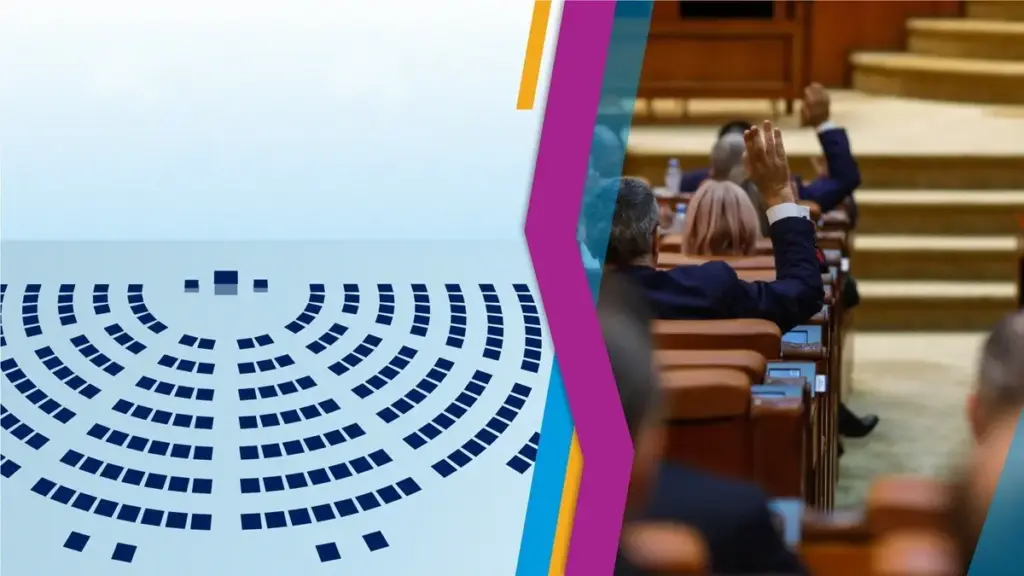
The World Health Organization (WHO) has officially unveiled a new, specialized online training course titled "The Role of Parliaments and Parliamentarians in Strengthening Health Security Preparedness." This initiative represents a strategic effort to bridge the gap between technical public health expertise and the legislative power required to implement sustainable, nationwide health security frameworks. By providing parliamentarians with the knowledge, tools, and policy-oriented strategies necessary to navigate complex health crises, the WHO aims to fortify the global community’s collective ability to prevent, detect, and respond to future pandemics and health emergencies.
The launch of this resource arrives at a critical juncture in global health governance. In the wake of the COVID-19 pandemic, which exposed systemic vulnerabilities in national healthcare infrastructures and crisis response mechanisms, international health authorities have conducted extensive reviews to determine how future preparedness can be improved. These high-level assessments have consistently highlighted that while scientific and medical expertise are essential, the implementation of effective preparedness measures is ultimately a political act. Parliamentarians, as the representatives of the people and the primary architects of national legislation, hold a unique and indispensable role in this ecosystem.
The WHO’s new training program acknowledges that the involvement of legislators is vital for more than just crisis management; it is a prerequisite for advancing state capacity, cultivating long-term social trust, and providing the steady leadership necessary for effective public health policy. Without the active engagement of legislative bodies, health security initiatives often lack the consistent budgetary support and the necessary legal frameworks to remain functional across different political cycles. Through this training, the WHO seeks to elevate health security from a sectoral concern to a national legislative priority.

The course is structured across seven comprehensive modules, each meticulously designed to delve into the multifaceted responsibilities of parliamentarians. By integrating insights into law-making, rigorous oversight, accountability, budgetary allocation, and the critical duty of citizen representation, the program provides a holistic view of how legislative processes directly correlate with public health outcomes. Rather than focusing solely on medical theory, the training emphasizes practical skills and actionable recommendations, ensuring that participants can translate high-level international health standards into concrete domestic policy.
One of the primary objectives of the curriculum is to foster a deeper understanding of the concepts of health emergency preparedness and the foundational importance of the International Health Regulations (2005). These regulations serve as the cornerstone of global health security, binding 196 countries to a set of rules aimed at preventing and controlling the international spread of disease. However, the effectiveness of these regulations is entirely dependent on their implementation at the national level. The WHO’s training empowers parliamentarians to identify gaps in their existing legal frameworks and find opportunities to strengthen their domestic response capabilities in alignment with these international commitments.
Participants in the course will learn how to leverage their unique positions to influence national policy. This includes understanding the intricacies of the budgetary process—an area where parliamentarians are uniquely positioned to ensure that health security is not underfunded in favor of short-term economic interests. By learning how to prioritize and advocate for sustainable health spending, lawmakers can ensure that their nations are better positioned to weather the economic and social shocks that inevitably accompany major public health emergencies.
Furthermore, the course addresses the role of parliamentarians in maintaining public trust. During the COVID-19 pandemic, the communication of public health measures often became a point of contention, leading to social fragmentation and the spread of misinformation. The WHO’s training underscores the importance of the parliamentarian’s role in bridging the gap between scientific institutions and the public. By acting as informed advocates for health security, legislators can provide the clear, consistent leadership required to maintain social cohesion during periods of extreme stress. The training equips them with the ability to explain complex health policies to their constituents, ensuring that public health measures are viewed as protective rather than purely restrictive.
The course is hosted on the OpenWHO platform, the organization’s dedicated portal for online learning. By making this resource available digitally, the WHO ensures that parliamentarians and their staff from across the globe—regardless of their geographic location or the size of their legislative body—have equitable access to high-quality information. The accessibility of the platform is designed to encourage not just individual participation, but also the broader involvement of all stakeholders who play a part in the national health legislative process, including parliamentary advisors and civil society members who work closely with elected officials.
In identifying opportunities at both global and domestic levels, the course encourages a multi-sectoral approach. It acknowledges that health security is not solely the domain of the Ministry of Health; it is an issue that intersects with finance, trade, environment, and social services. Consequently, the training encourages parliamentarians to work across committees and departments to create a "whole-of-government" strategy. By understanding the various functions of parliaments in achieving health security, participants can enhance their ability to hold executive branches accountable for the implementation of preparedness plans, ensuring that the promises made on the global stage are reflected in the realities of local and regional governance.
The program also provides participants with access to an array of further resources, enabling them to continue their learning journey well after the completion of the modules. These resources are designed to be practical, offering templates, policy briefs, and case studies that highlight successful examples of parliamentary engagement in health security from various regions around the world. By learning from the successes and failures of their international peers, parliamentarians can refine their own advocacy strategies and build more resilient health systems.
As the global community looks toward the future, the lessons learned from recent years serve as a sobering reminder of the interconnected nature of human health. The WHO’s emphasis on empowering parliamentarians is a strategic shift toward a more proactive, rather than reactive, approach to global health. By institutionalizing health security within the legislative agenda, the WHO aims to foster a more resilient international community. This, in turn, will allow for a more rapid and effective response to the next inevitable health crisis, minimizing the disruption to social and economic stability.
Ultimately, the launch of this training course is an invitation for legislative leaders to take ownership of their role in protecting public health. The WHO recognizes that scientific advancements and medical infrastructure are only as strong as the political will that sustains them. By enabling parliamentarians through this specialized training, the organization hopes to create a global network of informed, proactive, and engaged legislators who view health security as a fundamental pillar of national sovereignty and security.
For those interested in exploring the role of legislative bodies in health governance, the training course is now available for enrollment on the OpenWHO platform. The organization encourages all relevant stakeholders, including members of parliament, parliamentary staff, and policy advocates, to take advantage of this opportunity to deepen their understanding of the landscape of health security. By working together to strengthen the legislative foundations of health preparedness, it is possible to make a significant and lasting impact on the safety and well-being of populations worldwide, ensuring that the global community is better equipped to manage the health challenges of the 21st century.