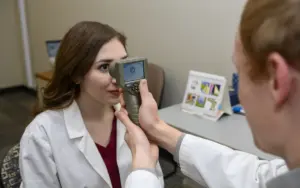








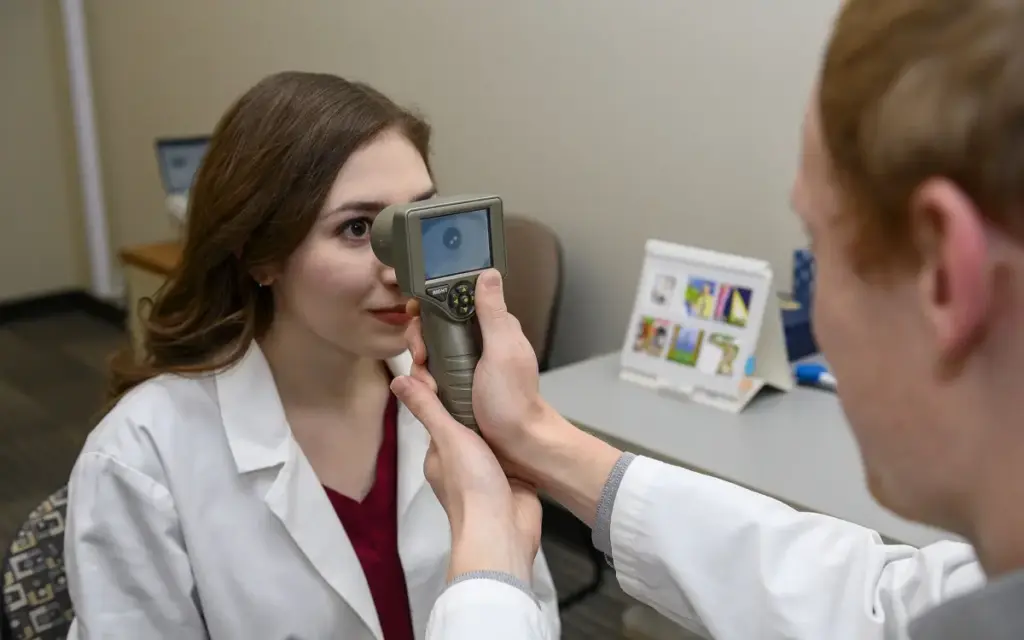
The Pullman-based engineering company, known globally for power system solutions, is now venturing into medical technology by developing a tool that could fundamentally change the pediatric healthcare landscape. The device, which detects atypical reactions to light in a child’s pupils, stems from years of academic research originally spearheaded by Lynch while she served as an associate professor at Washington State University. Today, Lynch continues her pioneering work as a principal scientist in research and development at SEL, overseeing the transition of her academic prototype into a commercially viable clinical instrument.
For Lynch, reaching this particular milestone represents the culmination of a deeply personal and professional journey. "It’s really exciting to see this milestone being met," Lynch said, reflecting on the launch of the trial. "Words can’t describe."
The journey to this point spans more than a decade of dedicated scientific inquiry. It includes early milestones such as a foundational pilot study utilizing a simple penlight at the WSU Spokane campus in 2015, a project that drew regional attention and highlighted the potential for non-invasive neurological screening. The trajectory shifted significantly in 2024 when SEL acquired the prototype technology alongside Lynch herself, bringing corporate manufacturing muscle, engineering expertise, and commercialization strategies to the table with the explicit intent of bringing the device to market.

"It’s an exciting time both for myself as a researcher who cares so much about children and families with autism, but also the engineering team," Lynch noted, emphasizing the collaborative energy between medical science and industrial engineering.
At the core of the technology is the pupillary light reflex, a physiological mechanism that serves as a unique window into a child’s central nervous system and brain activity. Lynch explained in a 2025 interview that by evaluating the efficiency of the nerves responsible for the pupillary light reflex, clinicians are able to indirectly measure the functional efficiency of cranial nerves located within the brain stem.
"It’s more than just looking at the eye and the response to light," Lynch explained during an interview last year. "It’s more about understanding what happens in the brainstem and autism that is significantly different from typical development, and that’s a new understanding."
Traditional autism diagnostics often rely entirely on behavioral evaluations, developmental histories, and observational assessments. While these methods remain the gold standard, they frequently require long waiting lists, specialized developmental pediatricians, and multiple comprehensive appointments. By introducing an objective, physiological biomarker tied directly to brainstem function, the SEL device aims to provide clinicians with a rapid, reliable screening indicator that can flag autism risk much earlier in a child’s development.
The newly launched clinical trial is being conducted through a coordinated partnership involving the SEL Health Clinic, Palouse Pediatrics, and several other prominent pediatric and family medicine clinics scattered across the Inland Northwest. According to an official news release distributed by the company, extensive preparation preceded the trial launch. Lynch and her colleagues conducted specialized training sessions with participating clinician teams to ensure they were fully comfortable operating the device and strictly adhering to the established parameters of the clinical study.
"I’ve been really excited to see the clinical teams do this with ease," Lynch said, expressing confidence in the medical professionals administering the trial on the ground.
The clinical trial serves a twofold purpose in the broader strategy to secure regulatory approval and commercial availability. Primarily, Lynch and her research team aim to gather robust, statistically significant data required by the United States Food and Drug Administration (FDA) to support their upcoming application for medical device clearance. Additionally, the trial provides critical real-world insights into how the device performs within fast-paced, everyday clinical environments, ensuring that the tool is both practical and efficient for frontline healthcare workers.
As part of the study protocol, the results generated by the device screening are cross-referenced directly against a comprehensive, full diagnostic panel for autism. Lynch pointed out that this arrangement provides a significant collateral benefit for participating families, offering many children access to thorough diagnostic evaluations that they might not otherwise have had the opportunity to receive through traditional, backlogged healthcare channels.
"If we can bolster this screening process through adding this physical marker and making it easier in the process, if we can help prevent the wait time and get kids in more quickly, that’s the ultimate goal," Lynch said, emphasizing that reducing systemic barriers and wait times remains the paramount objective of the entire enterprise.
The societal impact of delayed diagnoses is a challenge felt deeply by families and communities alike. Long waiting lists for developmental evaluations mean that children often miss out on early intervention services during the critical developmental windows when therapies are most effective. By equipping primary care providers with an objective screening tool, the technology developed by Lynch and SEL could help bridge the gap between initial parental concerns and definitive clinical answers.
Edmund Schweitzer, the founder of Schweitzer Engineering Laboratories, underscored the personal and community significance of the initiative in the company’s release. He noted that the medical device holds the potential to transform how families navigate the often arduous diagnostic journey.
"Autism has touched my family and countless others. That is why this clinical trial is so important," Schweitzer said. "By combining scientific research with our expertise in engineering and manufacturing at SEL, we hope to provide clinicians with a practical tool that supports earlier identification and, ultimately, better outcomes for children."
With the clinical trial now officially underway in the Inland Northwest, researchers, engineers, and healthcare providers are watching closely. The partnership between academic science and industrial engineering represents a unique model for bringing neurodiagnostic tools out of university laboratories and into everyday community clinics. As data flows in from the participating pediatric practices, the project moves one step closer to realizing its vision of faster, more accessible autism screening for families nationwide.