








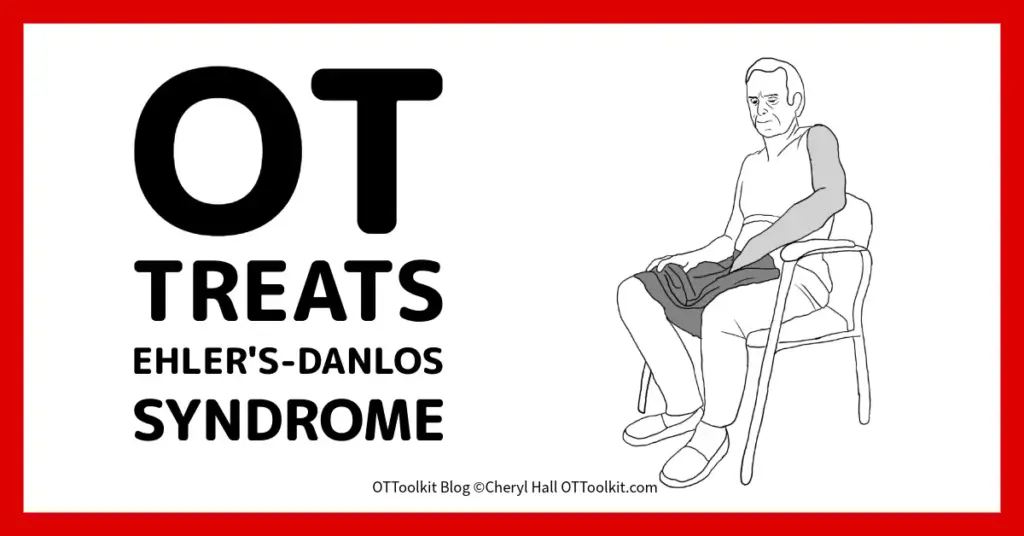
The strength of a clinical resource is often measured by its ability to evolve alongside the changing needs of the patients served by its readers. Recently, a direct inquiry from a practicing occupational therapist in Tennessee highlighted a critical gap in the Occupational Therapy Toolkit, leading to a significant commitment to expand the scope of the publication. The therapist, who works with patients navigating the complexities of Ehlers-Danlos Syndrome (EDS), reached out to inquire why this specific condition lacked a dedicated treatment guide within the resource. This exchange underscores the collaborative nature of the occupational therapy community and the ongoing necessity for specialized clinical tools in managing rare, multisystemic conditions.
Ehlers-Danlos Syndrome is, by definition, a rare clinical presentation, and it is not uncommon for therapists to encounter the condition infrequently throughout their careers. However, as the medical community’s understanding of connective tissue disorders grows, so too does the demand for effective, evidence-based occupational therapy interventions. Recognizing that occupational therapy plays a pivotal role in easing symptoms, fostering greater independence, and substantially improving the quality of life for those living with EDS, there is a clear imperative to integrate this condition into the next edition of the Occupational Therapy Toolkit. While the 8th edition of the toolkit was only recently released in 2024, the importance of this feedback necessitates an immediate focus on how practitioners can better support the EDS community through specialized care strategies.
To understand why occupational therapy is so vital for this patient population, one must first consider the nature of the condition itself. Ehlers-Danlos Syndrome is a group of hereditary connective tissue disorders that fundamentally impact how the body produces and utilizes collagen—the protein that acts as the "glue" holding the body’s structures together. Because collagen is found throughout the human body, the effects of EDS are widespread. There are currently 13 identified types of EDS, each with its own distinct genetic cause and clinical profile. While manifestations vary, the most frequently observed symptoms include generalized joint hypermobility, persistent joint instability, and chronic pain. Patients often present with skin that is fragile, prone to tearing, and easily bruised, alongside systemic complications such as profound fatigue, dizziness upon standing—often related to autonomic dysfunction—and complex digestive issues.

For the occupational therapist, treating a patient with EDS requires a multifaceted approach that addresses both the physical limitations of the condition and the systemic challenges that disrupt daily life. One of the primary pillars of treatment is joint protection. Because EDS leads to excessive laxity in the ligaments, patients are highly susceptible to painful hyperextension and chronic joint pain. Occupational therapists provide essential support by modifying tasks to reduce stress on vulnerable joints, instructing patients in safe, sustainable home-based pain management techniques, and designing or fitting customized splints to provide external stability where the body’s internal structures fail to do so.
Beyond the physical management of joints, energy conservation is a critical component of the care plan. The chronic fatigue associated with EDS can be debilitating, often preventing patients from participating in their preferred work, social, or personal activities. Therapists work closely with these patients to develop pacing and planning strategies, ensuring that daily energy expenditure is managed effectively. By analyzing task demands and implementing systematic modifications, therapists help patients achieve a better balance, preventing the "boom and bust" cycle that often exacerbates systemic symptoms.
The selection and implementation of adaptive equipment also form a cornerstone of the therapeutic intervention. Beyond the immediate needs of joint protection and energy conservation, therapists often recommend specific devices to assist with fall prevention and to improve community mobility. Whether it is modifying a home environment to eliminate trip hazards or suggesting mobility aids that reduce the load on hypermobile joints, these interventions are designed to maximize the patient’s safety and autonomy.
Ergonomics plays a similarly significant role in the patient’s long-term health. Occupational therapists evaluate the specific demands of a patient’s workplace, school, or home environment to ensure that furniture, equipment, and workflows are optimized. This might involve recommending specialized software or hardware that limits repetitive movements, which can be particularly damaging to an EDS patient’s unstable joints. By minimizing strain at the source, therapists can help prevent the cumulative trauma that often leads to flare-ups.
Perhaps one of the more nuanced areas of treatment involves addressing proprioception. Because hypermobility often compromises the body’s ability to sense its position, movement, and location in space, patients with EDS may experience difficulty with motor planning and physical stability. Occupational therapists utilize targeted therapeutic exercises designed to heighten proprioceptive awareness and strengthen the musculature surrounding the joints. These exercises not only protect joint health but also improve the patient’s confidence in movement, reducing the fear of injury that frequently accompanies the diagnosis.
It is also important for clinicians to recognize the co-occurring symptoms that often complicate the EDS patient’s journey. Many individuals with this condition struggle with chronic sleep disturbances, mental health challenges, debilitating migraines, gastrointestinal issues, and various autoimmune disorders. While these may fall outside the traditional scope of physical rehabilitation, the role of the occupational therapist is to provide the interventions, environmental modifications, and coping strategies necessary to manage these comorbidities, ensuring that the patient can lead a full, meaningful life despite the complexity of their diagnosis.
While the Occupational Therapy Toolkit is currently in the process of developing a formal Treatment Guide for EDS, the existing framework of the book already provides a wealth of resources that are highly applicable to this population. Practitioners can find extensive support through the toolkit’s comprehensive collections of treatment guides, activities of daily living (ADL) and mobility handouts, educational materials, and therapeutic exercise protocols. These resources are designed to be flexible, allowing therapists to pull from existing evidence-based practices to create individualized care plans for patients with rare conditions like EDS.
For those looking to deepen their clinical knowledge on this topic, The Ehlers-Danlos Society remains the definitive resource. Their professional platform provides invaluable information for healthcare providers, including continuing education opportunities, the latest research, and a searchable directory of medical experts who have specialized experience in diagnosing and treating the various types of EDS. Engaging with such resources is essential for any therapist aiming to provide high-quality, informed care for this patient population.
The responsiveness to the suggestion from the Tennessee-based therapist is indicative of a broader commitment to the clinical community. The Occupational Therapy Toolkit serves as a living resource, and its evolution is directly tied to the insights shared by those on the front lines of patient care. As the clinical landscape continues to change, the feedback loop between practitioners and those who develop educational materials remains vital. The goal remains consistent: to provide therapists with the most practical, relevant, and effective tools available, ensuring that even patients with complex, rare conditions receive the high standard of care they deserve. For those with further suggestions or feedback regarding the toolkit, direct communication remains the most effective way to drive future improvements and ensure that the resource continues to reflect the diverse needs of the occupational therapy profession.