






The experience of loss is perhaps the most universal element of the human condition, a profound reality that transcends culture, geography, and the boundaries of time. Long before the advent of modern psychological clinical practices, humanity sought ways to navigate the abyss of bereavement. From the earliest recorded history, societies have developed intricate traditions of lamentation, recognizing that grief, while deeply personal, often demands a public, communal response.
Historical evidence from the Old Kingdom of Egypt, dating back to 2600 BC, reveals that the mourning of loss—particularly among the ruling classes—was a grand, public affair, marked by ceremony and societal acknowledgement. Similarly, the 5th-century Greek tragedies served as large-scale public rituals, providing a forum for the cathartic expression of collective trauma. These performances transformed individual suffering into a civic experience, suggesting that witnessing and sharing in the pain of others was not merely a choice, but a societal obligation.
As history progressed, this emphasis on public remembrance persisted through Nordic and Germanic traditions, which utilized mythological storytelling and ritualized funerals to process loss. With the subsequent rise of organized religion, these public expressions became even more structured. By the late 19th and early 20th centuries, as psychology emerged as a formal scientific discipline, grief became a central focus of study. In 1917, Sigmund Freud published Mourning and Melancholia, a landmark text that established the first formal psychological theory of grief. Freud’s framework emphasized the necessity of detachment—the "letting go" of the lost object—to restore the mourner’s internal equilibrium.

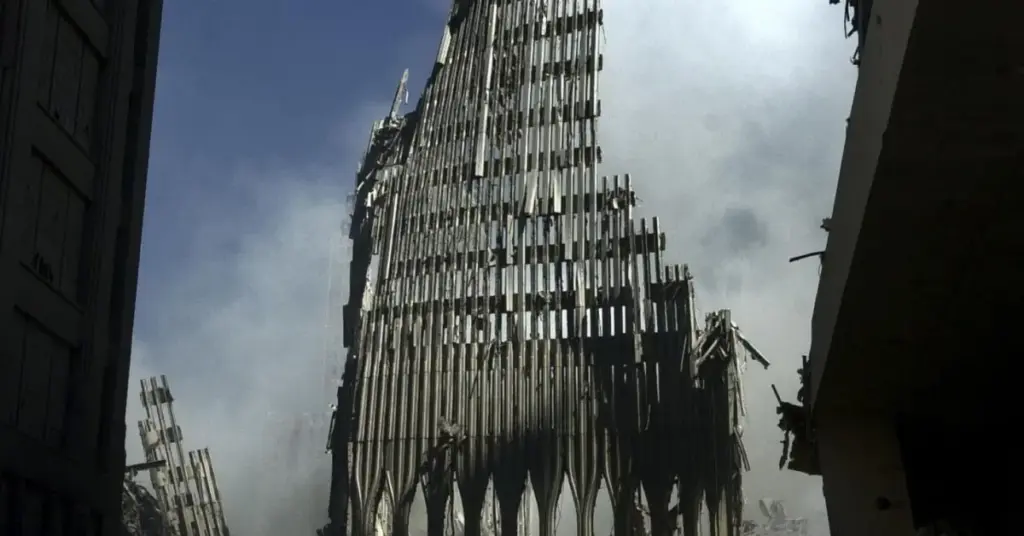
However, in the decades that followed, the psychological community began to challenge the Freudian notion of detachment. Contemporary research, most notably the work of Klass, Silverman, and Nickman in their 1996 study Continuing Bonds: New Understandings of Grief, advocates for a different approach: reattachment. Rather than severing ties, this perspective suggests that maintaining a transformed, ongoing connection with the deceased is a healthy and vital part of the healing process. This shift in thinking highlights a historical truth that remains relevant today: grief is a process that is best navigated in the presence of others, rather than being hidden away or suppressed. Perhaps no event in recent history has solidified this collective commitment to "never forgetting" more than the tragedy of September 11, 2001.
An Evolving Approach to Large-Scale Healing
As the nation approaches the 25th anniversary of the September 11 attacks, the scope of the enduring impact becomes clearer. We reflect not only on the thousands of lives lost on that clear September morning but also on the thousands of individuals who have suffered subsequent illnesses and the families forever altered by the ensuing wars and military service. The sheer magnitude of this loss necessitated a radical shift in how support is provided.
The Tragedy Assistance Program for Survivors (TAPS), founded by Bonnie Carroll, has been at the forefront of this evolution. Since its inception, TAPS has provided support to over 100,000 bereaved family members, including 14,858 individuals impacted specifically by 9/11-related military losses. In attempting to meet the immense needs of this community, it became evident that the traditional model—relying exclusively on licensed mental health clinicians—was insufficient to address the scale and depth of the grief experienced. The limitations of a purely clinical approach prompted a pivot toward a peer-based support model, one that leverages the power of shared lived experience to facilitate healing.
The Power of the Peer Support Model
In the context of bereavement, a peer is defined as an individual who shares a common denominator with another, typically rooted in a lived experience of similar loss. When individuals who have successfully navigated their own journey through tragedy are provided with proper training, they become uniquely positioned to serve as effective sources of support for others.
The effectiveness of this model lies in the bond of shared experience, which fosters immediate credibility, perceived empathy, and, most importantly, hope. As noted by the Substance Abuse and Mental Health Services Administration (SAMHSA), this form of support is a recognized, evidence-based pillar in behavioral health. In the aftermath of 9/11, peer supporters were mobilized to assist military families, with the crucial requirement that these mentors had themselves walked through the fire of similar losses and emerged on the other side. They were not merely offering textbook advice; they were offering living, breathing proof that survival and growth are possible after devastating loss.
The TAPS approach to this support is structured around a simple, non-linear model of bereavement. By stripping away the rigid expectations of professional therapy, the program focuses on the necessity of being present. The peer supporters operate on the fundamental belief that healing is not a destination to be reached, but a journey to be traveled.
Lessons Learned and the Path Forward
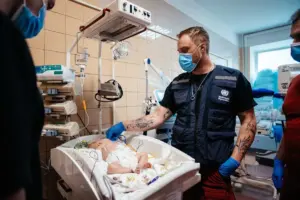
Decades of working alongside bereaved families have confirmed that peer support is profoundly therapeutic. The success of this model has proven so robust that these principles are now being applied in international conflict zones, such as Ukraine, where the need for communal healing is acute. As we look back across the years, a three-fold revelation emerges: grief is a process best understood as a journey; that journey is most effectively undertaken with companionship; and the most qualified companions are those who have traversed a similar landscape before.
There is a distinct form of healing in being able to sit with someone who does not require an explanation of one’s grief. A peer who understands that there is no set timetable for mourning, and who can model a life that continues to carry love forward, offers a sanctuary that a clinical office often cannot replicate.
Twenty-five years after the attacks on September 11, the core promise of organizations like TAPS remains steadfast: no one who is grieving the death of a service member should ever have to walk that road alone. Survivors caring for survivors has been the heartbeat of this mission from the very beginning. It remains one of the most powerful expressions of hope, healing, and the enduring nature of love.
Ultimately, this principle extends beyond the military community; it is a universal truth applicable to all who suffer loss. The ancients, in their public rituals and communal lamentations, understood what we are only now fully reclaiming in modern practice: healing from loss was never intended to be a solitary experience. By fostering connections, offering companionship, and validating the experiences of those who have gone before us, we continue to learn the essential, timeless lessons of love and hope, ensuring that the legacy of those we have lost remains a source of strength for the living.