



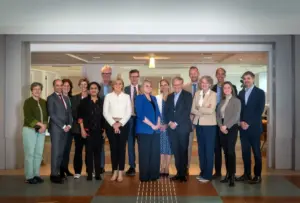


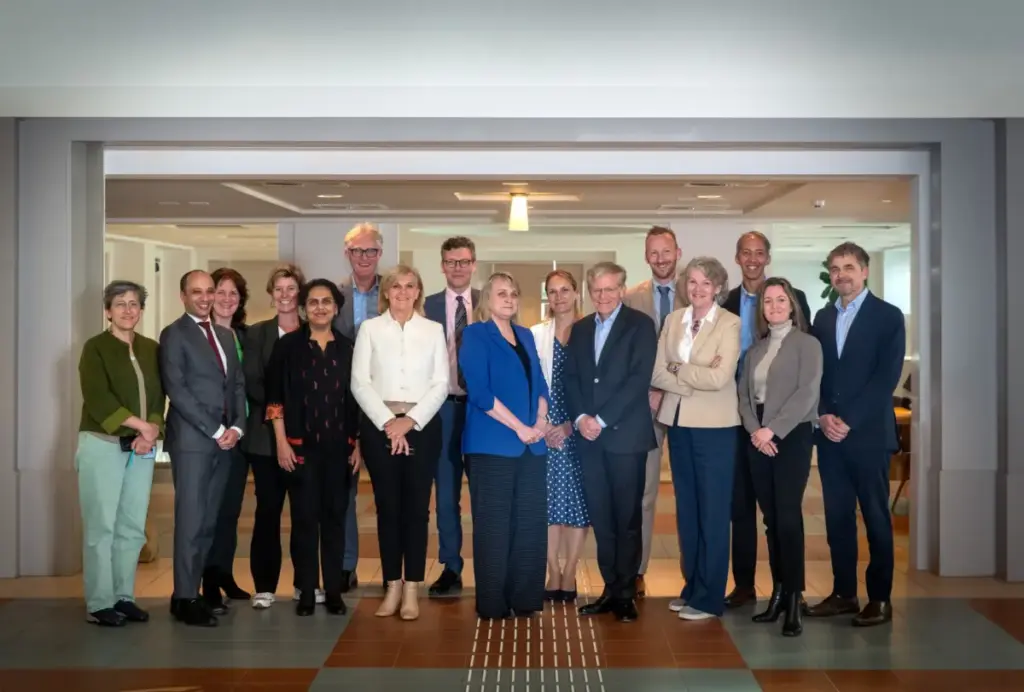
In a significant move to address the increasingly complex landscape of global health, the World Health Organization (WHO) and the Netherlands convened in The Hague on 10 April 2024 for a high-level Strategic Dialogue. This meeting served as a pivotal moment for both entities to synchronize their long-term priorities, ensuring that the Dutch Global Health Strategy and the WHO’s emerging strategic objectives remain tightly aligned in an era defined by rapid geopolitical change, environmental shifts, and persistent health inequities.
The partnership between the Netherlands and the WHO is long-standing, built upon a bedrock of shared values, including a firm commitment to human rights, the promotion of universal access to essential health services, and the pursuit of health equity. As the world navigates the cascading effects of ongoing conflicts, humanitarian disasters, and the escalating climate crisis, the need for a cohesive, coordinated response has never been more urgent. This year’s dialogue provided a critical platform for both parties to reflect on their joint vision, ensuring that their collaborative efforts are both agile and impactful enough to meet contemporary challenges.
Deepening the Partnership for a Resilient Future
The discussions in The Hague were characterized by a clear mutual commitment to fostering a deeper, more integrated partnership. Reflecting on the productive nature of the sessions, Ms. Marjolijn Sonnema, Director General for Public Health at the Netherlands’ Ministry of Health, Welfare and Sport, emphasized the synergy between the two organizations. "In this Strategic Dialogue, throughout all sessions, WHO and the Netherlands showed a commitment to cooperation and to deepening their partnership based on the strong alignment between their respective priorities and objectives," she noted.
A central outcome of the dialogue was the formal recognition of how the Dutch Global Health Strategy aligns with the WHO’s forthcoming 14th General Programme of Work. This synchronization is not merely administrative; it is intended to create tangible synergies in several high-priority areas. These include strengthening fragile health systems, enhancing global pandemic preparedness, addressing the intersection of climate change and public health, combating the rise of anti-microbial resistance (AMR), and expanding access to mental health support.
Dr. Bruce Aylward, WHO Assistant Director-General for Universal Health Coverage, Life Course, underscored the significance of this alignment against a backdrop of widening global disparities. "At a time when inequity in health and in access to essential health services and financial protection is increasing, disproportionately impacting the poor and most vulnerable, the Netherlands stands as a global health leader and trusted WHO partner," Dr. Aylward stated. "With shared priorities and commitment to sexual and reproductive rights, gender equity, health systems, security, climate resilience, and mental health, we look forward to strengthening our partnership to enhance the health and well-being of all, globally and in the Netherlands."
Sustainable Financing and the WHO Investment Round
Beyond technical collaboration, the dialogue addressed the fundamental issue of sustainable financing. The WHO acknowledged the Netherlands’ position as a global leader in flexible, predictable funding, which is essential for the organization’s ability to act swiftly in the face of sudden health crises. A major point of discussion was the inaugural WHO Investment Round, a strategic initiative designed to mobilize the resources necessary for the WHO to carry out its mandate effectively.
Both the Dutch delegation and WHO representatives reached a consensus on the imperative of ensuring that the organization’s financial structure is stable. By moving away from reliance on short-term, earmarked funding toward more predictable and flexible resources, the WHO aims to improve long-term health outcomes, particularly for the most vulnerable populations who are often the most severely affected by global health disruptions. This commitment to financial stability is seen as a cornerstone for maintaining the WHO’s technical expertise and its ability to respond to health emergencies with the necessary speed and scale.

The dialogue also provided space to address the difficult realities of the current geopolitical climate. As tensions rise internationally, the importance of maintaining a neutral, science-driven approach to health becomes even more vital. Both parties stressed that sustained, collaborative efforts are the only way to tackle the interconnected health issues facing the world today. By balancing these immediate challenges with a focus on long-term goals, the Netherlands and the WHO are positioning themselves to better navigate the complexities of the global health architecture.
Building on the Momentum of Previous Engagements
The 2024 dialogue was designed to build upon the momentum established during the previous Strategic Dialogue held in 2022. That earlier meeting focused on enhancing the synergies between WHO objectives and the newly introduced Dutch Global Health Strategy. The progress made in the intervening two years has validated the effectiveness of this approach, providing a template for future collaboration.
The outcomes of the 2024 session will serve as a roadmap for the coming years, ensuring that resources are optimized and that both parties are moving in the same direction. The enduring nature of this partnership reflects a shared, unwavering commitment to the idea that health is a fundamental right, not a privilege. By institutionalizing their cooperation through these dialogues, the Netherlands and the WHO are ensuring that their relationship remains a cornerstone of the international health system.
A Legacy of Support and Technical Excellence
The Netherlands has consistently proven itself to be one of the WHO’s most reliable and strategic partners. Data from the 2022–2023 period highlights the scale of this commitment; the Netherlands was consistently ranked among the top five flexible contributors to the WHO. During that two-year window, the country provided nearly US$ 19 million in core voluntary contributions. In total, Dutch financial support to the WHO exceeded US$ 106 million during this period, with approximately 90%—or US$ 93 million—provided as voluntary funding, allowing the WHO the flexibility to deploy resources where they are most needed.
This financial support is matched by a deep investment in technical expertise. The Netherlands actively contributes to the WHO’s intellectual capital through the secondment of specialized staff and by fostering the next generation of global health leaders. The WHO’s Junior Professional Officer (JPO) Programme, which is supported by the Netherlands, plays a vital role in this effort, providing young professionals with the opportunity to gain experience within the international health arena. This pipeline of talent ensures that the global health community remains vibrant and capable of addressing the challenges of tomorrow.
The collaboration between the Netherlands’ Ministry of Foreign Affairs and the Ministry of Health, Welfare and Sport and the WHO facilitates critical work across a broad spectrum of global health issues. From advancing sexual and reproductive health and rights and improving access to water and sanitation to addressing mental health in emergency settings, emergency preparedness, tuberculosis control, and the "One Health" approach, the partnership touches on the most pressing issues of our time. Furthermore, the collaboration frequently facilitates direct cooperation with top-tier Dutch academic and research institutions, ensuring that the WHO’s policy decisions are informed by the latest scientific evidence and innovative practices.
As the 2024 Strategic Dialogue concludes, the message from both the WHO and the Netherlands is clear: the challenges facing global health are immense, but they are not insurmountable. Through sustained collaboration, a commitment to sustainable funding, and a shared focus on equity and resilience, the partnership remains a vital force in the global effort to improve health outcomes for everyone, everywhere. By aligning their strategies and deepening their cooperation, the Netherlands and the WHO are reinforcing the foundations of a global health system that is better prepared, more equitable, and more effective in protecting the well-being of all citizens across the globe.