






WASHINGTON, DC — ZERO TO THREE, the nation’s leading early childhood development nonprofit dedicated to ensuring that all infants and toddlers have a strong start in life, has expressed strong encouragement regarding President Biden’s proposed fiscal year 2025 budget. The organization notes that the federal blueprint includes essential and much-needed funding for programs designed to build a solid foundation for young children and families across the United States.
The announcement comes as early childhood advocates and policymakers continue to evaluate federal spending priorities for the upcoming fiscal year. For organizations like ZERO TO THREE, the federal budget serves as a critical indicator of national commitment to the youngest and most vulnerable members of society. By prioritizing early development in the executive budget proposal, the administration has signaled a growing recognition that investments made during the first few years of life yield profound long-term benefits for society, the economy, and individual well-being.
"If implemented, President Biden’s budget released today will make our nation a better and fairer nation to have and raise a baby," said Miriam Calderón, Chief Policy Officer at ZERO TO THREE.

Calderón emphasized that the organization has consistently urged both Congress and the administration to place the needs of infants, toddlers, and their families at the forefront of national policy discussions. Specifically, ZERO TO THREE has advocated for targeted federal action and funding across five key areas: maternal health, infant and early childhood mental health, child care, housing, and economic security. These five pillars form the core framework of the organization’s ongoing advocacy, reflecting the multifaceted needs of families with young children in the modern economic landscape.
"In last week’s State of the Union address, the President laid out a path toward a future where families are empowered and have choices about their baby’s future," Calderón continued. "This proposed budget expands on this vision with proposals that address all facets of young children’s development."
The President’s budget proposal outlines a series of targeted investments aimed at supporting babies and strengthening families during a crucial developmental window. Early childhood experts have long maintained that the period from prenatal development to age three is a time of unprecedented brain growth and neurological development. Experiences, relationships, and environments during this window shape the architecture of the developing brain, laying the groundwork for all future learning, behavior, and health. Consequently, federal policies that alleviate family stress, improve access to quality healthcare, and stabilize household finances are viewed by child development specialists as foundational public health and economic measures.

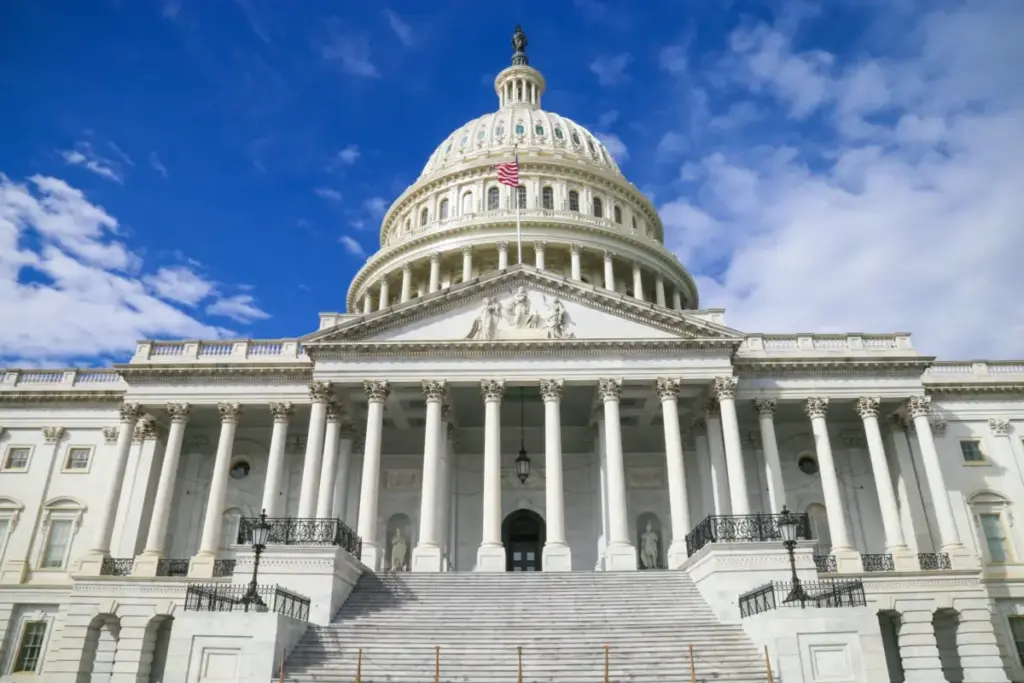
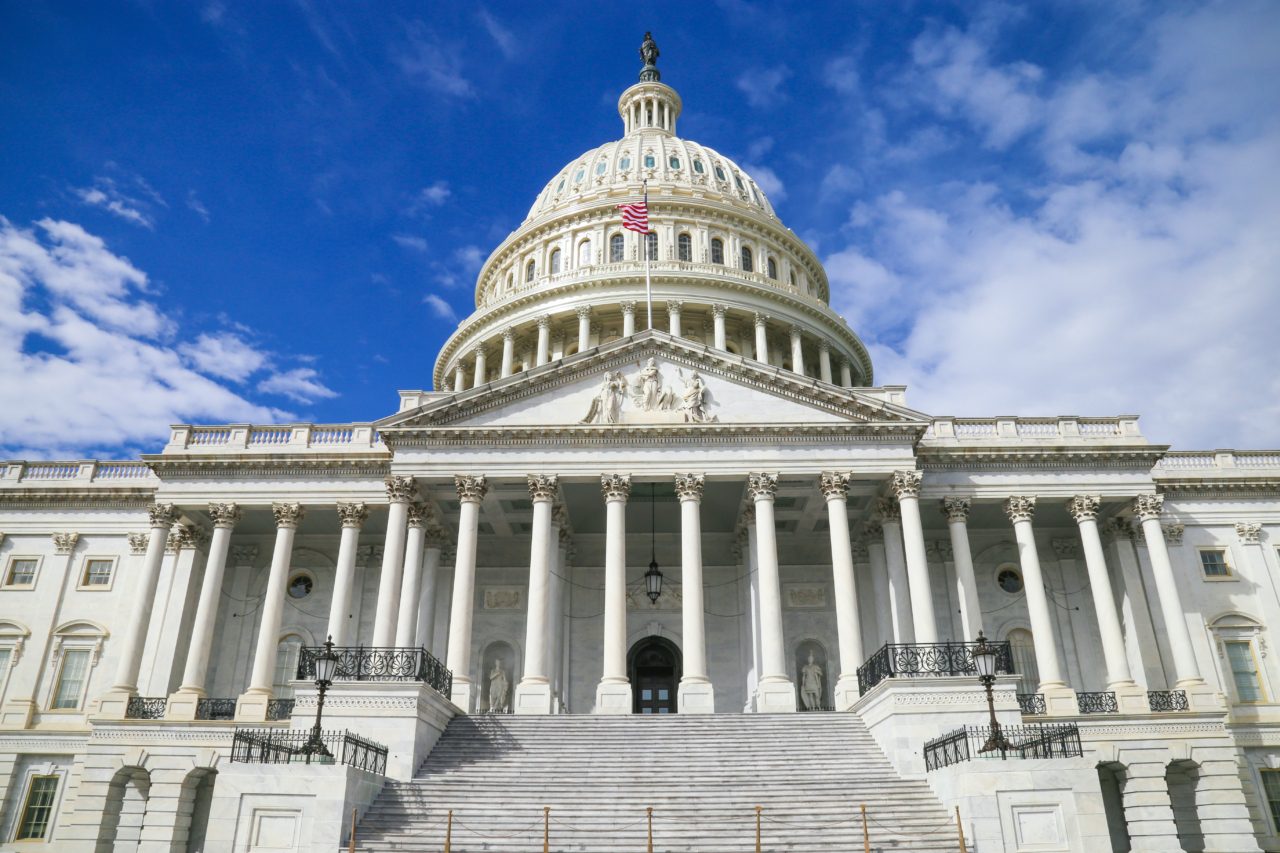
Following the release of the budgetary framework, attention now shifts to Capitol Hill, where federal lawmakers will debate, modify, and ultimately vote on spending bills for fiscal year 2025. The success of these proposals depends heavily on collaboration between the executive branch and congressional appropriators who hold the power of the purse.
"Now, Congress must work with the Administration to deliver for families and babies," Calderón said. "We look forward to working with Congressional appropriators and our baby champions on the Hill to make these bold proposals a reality."
As the legislative process moves forward, advocacy groups, early childhood educators, healthcare professionals, and family support providers will continue to monitor developments closely. For stakeholders invested in the future of the nation’s workforce and communities, the upcoming congressional negotiations represent a vital opportunity to translate the vision outlined in the fiscal year 2025 budget into tangible support for families nationwide.