





The World Health Organization and the Republic of Korea have marked a significant milestone in their enduring relationship, reflecting upon a partnership spanning more than 75 years of collaborative public health advancement. Over the decades, this fruitful cooperation has yielded substantial progress in global health and development, transforming the Republic of Korea from a historical donor-recipient nation into a thriving donor country. Today, the Republic of Korea stands as a recognized leader in global health, commanding a critical and influential role on the international stage.
To further fortify this longstanding partnership and renew their mutual commitment to jointly addressing the world’s most pressing public health challenges, the WHO and the Government of the Republic of Korea recently convened their second high-level Strategic Dialogue. The pivotal two-day meeting took place in Seoul from August 28 to August 29, 2024, serving as a comprehensive platform for strategic alignment, policy harmonization, and the deepening of multilateral ties between international health authorities and national leadership.

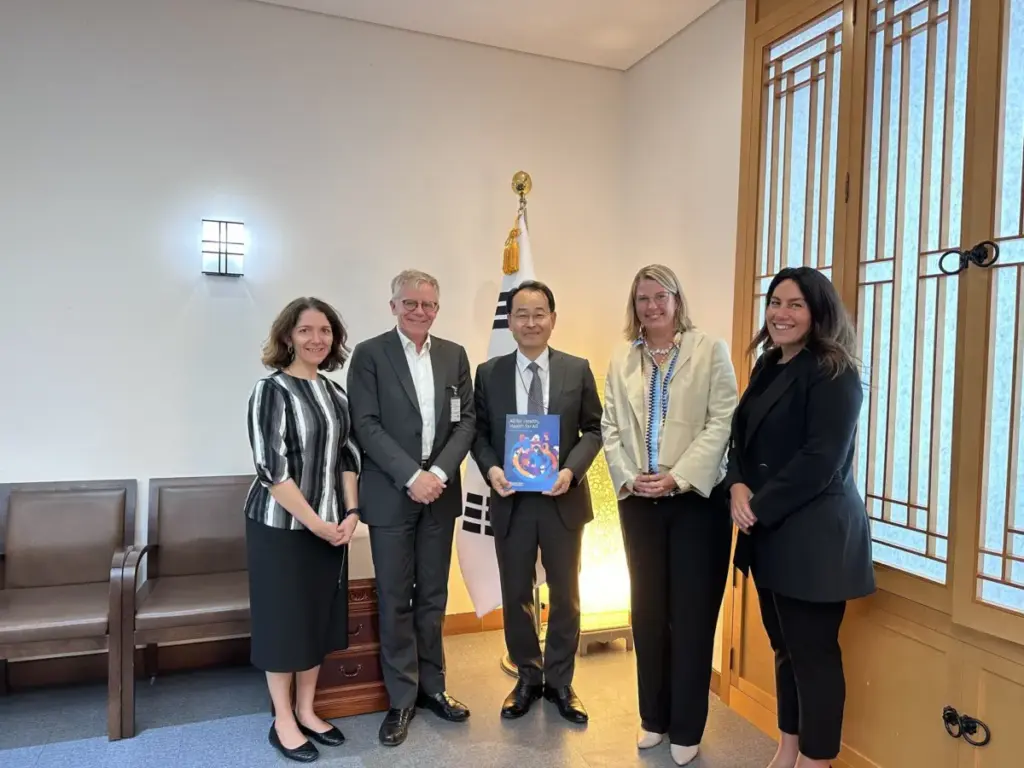
The high-level delegations brought together prominent figures from both organizations, representing a wide spectrum of expertise across global governance, public policy, diplomacy, and disease control. The WHO delegation was led by Dr Catharina Boehme, Assistant Director-General for External Relations and Governance. Dr Boehme was accompanied by an in-person team as well as numerous colleagues participating virtually from across the three operational levels of the Organization, encompassing headquarters, regional offices, and country-level representations, thereby ensuring a holistic and multi-layered perspective during the discussions.
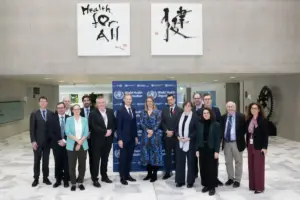
On the host nation’s side, the delegation of the Republic of Korea was led by Dr Hye-Jin Kim, Deputy Minister for Planning and Coordination at the Ministry of Health and Welfare. Dr Kim was joined by a robust assembly of senior government officials and institutional leaders. Among them was Dr Young-Mee Jee, Commissioner of the Korea Disease Control and Prevention Agency, whose presence underscored the nation’s steadfast dedication to epidemiological surveillance, pandemic preparedness, and science-based health security. Furthermore, senior counterparts representing the Ministry of Foreign Affairs and the Ministry of Food and Drug Safety actively participated, reflecting the cross-cutting nature of modern health diplomacy and regulatory cooperation.
In alignment with the World Health Organization’s broader organizational mission to enhance active collaboration with legislative bodies and lawmakers worldwide, the WHO delegation engaged in crucial outreach beyond executive ministries. During the visit, the delegation met with various Members of the National Assembly of the Republic of Korea who have consistently championed the global health agenda within the legislative branch. These parliamentary discussions emphasized the importance of domestic legislative support, sustainable financing, and bipartisan commitment to international health security and development assistance.

The recently concluded two-day meeting ultimately resulted in a profound alignment of strategic priorities between the two entities, establishing a clear and actionable roadmap for enhanced collaboration moving forward. By reviewing ongoing joint initiatives and exploring new avenues for cooperative engagement, the consultations paved the way for a more robust partnership between the World Health Organization and the Government of the Republic of Korea. Throughout the proceedings, participants highlighted key international frameworks and strategic resources, including the collaborative examination of the WHO Investment Case report alongside officials such as Mr Jonghan Park, Director-General for Development Cooperation at the Ministry of Foreign Affairs, reinforcing their shared vision for a healthier, safer, and more equitable global community.