




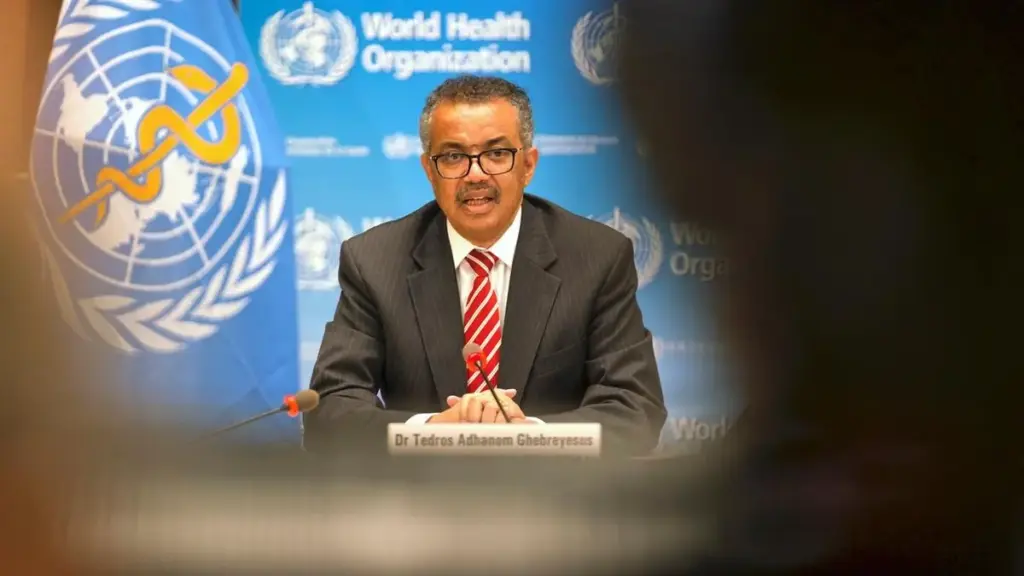
The World Health Organization has officially announced the launch of the Independent Panel for Pandemic Preparedness and Response to conduct a comprehensive and objective evaluation of the world’s handling of the COVID-19 pandemic. The establishment of this high-level panel marks a critical milestone in global health governance, aiming to extract essential lessons from the ongoing crisis to improve international preparedness and response mechanisms for future health emergencies.
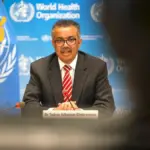
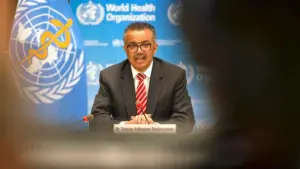
In an address delivered to WHO Member States, Director-General Dr. Tedros Adhanom Ghebreyesus revealed that the newly formed panel will be co-chaired by two globally prominent figures: former Prime Minister of New Zealand Helen Clark and former President of Liberia Ellen Johnson Sirleaf. Both co-chairs bring decades of political leadership, crisis management, and international diplomacy experience to the role. Prime Minister Clark previously led the United Nations Development Programme, guiding its development efforts across the globe, while President Sirleaf is a Nobel Peace Prize laureate recognized for her leadership in Liberia and her contributions to international peace, women’s rights, and public health governance.
According to Dr. Tedros, the selection of Clark and Sirleaf was the result of a rigorous and broad consultation process involving WHO Member States and international health and governance experts. Emphasizing the gravity of the initiative, Dr. Tedros stated during his briefing that he could not imagine two more strong-minded, independent leaders to help guide the global community through this critical learning process. Operating entirely independently from the WHO secretariat and member governments, the co-chairs will have the autonomy to select other panel members as well as an independent secretariat to provide administrative and analytical support.
The creation of the evaluation panel follows a historic consensus reached at the 73rd World Health Assembly held in May. During that virtual gathering, Member States unanimously adopted a landmark resolution calling upon the WHO to initiate an independent, impartial, and comprehensive evaluation of the international health response to COVID-19. The resolution underscored the necessity of understanding how the novel coronavirus spread globally, how national and international health bodies responded, and where systemic gaps hindered an optimal containment and mitigation strategy.
Dr. Tedros stressed that the unprecedented scale of the pandemic demands a rigorous and transparent self-reflection from the global community. Noting that the crisis has touched virtually every person on earth, he emphasized that the magnitude of the disruption clearly deserves a commensurate evaluation. This process, he explained, is not merely about looking backward to assign fault, but about looking at the world as it is today and finding concrete ways to strengthen international collaboration as nations work together to save lives and bring the current pandemic under control.
Outlining the timeline for the panel’s work, the Director-General proposed that a Special Session of the Executive Board be convened in September to discuss the initial progress and organizational framework of the panel. Following that milestone, the panel is scheduled to present an interim report in November during the resumed session of the World Health Assembly. The reporting cycle will continue into the new year, with the WHO Executive Board holding its regular session in January 2021 to further deliberate on the panel’s evolving findings. Finally, in May 2021, at the next regular meeting of the World Health Assembly, the panel is expected to deliver its comprehensive and substantive final report.
Alongside the newly established Independent Panel for Pandemic Preparedness and Response, Dr. Tedros noted that existing oversight mechanisms will continue their vital functions. Specifically, the Independent Oversight and Advisory Committee for the WHO Health Emergencies Programme will maintain its ongoing work, ensuring continuity in monitoring the organization’s operational response to health crises while the new panel undertakes its broader, strategic evaluation.
Placing the pandemic into a wider historical and socio-economic context, the WHO Director-General warned that the international community cannot afford to focus solely on the immediate challenges of COVID-19. He emphasized that even as nations fight the current pandemic, they must actively ready themselves for future global health outbreaks and the many other complex challenges defining the modern era. Among these critical issues, Dr. Tedros highlighted antimicrobial resistance, systemic social and economic inequality, and the escalating climate crisis as compounding threats that require robust, coordinated global action.
Concluding his remarks, Dr. Tedros reflected on the immense toll the pandemic has taken on societies, economies, and families worldwide, noting that COVID-19 has taken so much from humanity. However, he also framed the crisis as an unprecedented catalyst for systemic transformation. In his closing message, he asserted that the pandemic offers the world a rare opportunity to break with past deficiencies and build back better, ensuring a more resilient, equitable, and prepared global society for generations to come.