









Philanthropic support plays an indispensable and transformative role in enabling nations worldwide to build more resilient health systems and accelerate their journey toward genuine health equity, according to global health leaders. From securing vaccine access and bolstering pandemic preparedness to fortifying primary health care infrastructure, the strategic contributions of philanthropic partners continue to drive measurable progress across the World Health Organization’s core operational priorities.
The profound importance of this philanthropic engagement was underscored by WHO Director-General Dr. Tedros Adhanom Ghebreyesus during his keynote remarks delivered at the Philanthropy Asia Summit, which convened in Singapore from May 5 to May 7, 2025. Addressing an audience of international leaders, innovators, and philanthropic stakeholders, Dr. Tedros expressed his deep appreciation to both the Temasek Foundation and the Philanthropy Asia Alliance for organizing and hosting the high-level gathering. Throughout his address, he emphasized the critical importance of philanthropy in reinforcing global health architecture, championing country self-reliance, and forging powerful strategic partnerships with the WHO to confront complex health challenges within an increasingly turbulent and unpredictable geopolitical and economic landscape.
At the centerpiece of the Summit, Dr. Tedros extended his personal gratitude to His Excellency President Tharman and the government and people of Singapore for their sustained leadership in global health and their unwavering support for the mandate of the WHO. The Director-General specifically noted that Singapore and the Temasek Foundation were among the very first global entities to pledge robust financial and institutional support to the WHO’s landmark Investment Round. Looking toward the future of international public health collaboration, Dr. Tedros remarked that the organization eagerly anticipates the continued leadership and partnership of these regional and global actors as the international community works collectively to realize the founding vision of the WHO: ensuring that the highest attainable standard of health is treated not as a fleeting luxury for the privileged few, but as a fundamental and inviolable human right for all people everywhere.
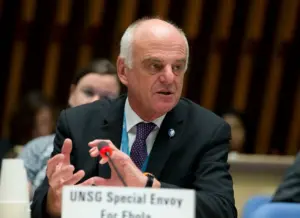
Throughout the ongoing deployment of the Investment Round, the WHO has actively sought to expand and diversify its donor base, a strategy that heavily relies on engaging strategically with forward-thinking philanthropic organizations and charitable foundations. As Dr. Tedros observed during his address in Singapore, these vital partnerships with the philanthropic sector empower developing and developed nations alike to strengthen essential health care services, enhance workforce capabilities, and make steady, sustainable progress toward the ultimate global goal of universal health coverage. By bridging critical funding gaps and encouraging long-term systemic planning, philanthropic investments allow health ministries to focus on localized needs while maintaining alignment with international standards.
Philanthropic actors consistently play a foundational role in elevating global health outcomes by deploying significant financial resources, technical expertise, and operational agility necessary to construct robust, accessible health care delivery systems. The capital and intellectual investments made by philanthropic partners frequently operate in synergy with government budgets, multilateral institutional funding, and civil society initiatives, thereby complementing and amplifying the broader work of the international health community. This collaborative ecosystem ensures that resources are deployed efficiently to areas of greatest vulnerability, addressing systemic weaknesses before they can manifest into widespread public health emergencies.
Furthermore, the flexibility inherent in philanthropic capital makes it particularly effective in supporting innovative, cutting-edge, or high-risk scientific research that might otherwise struggle to secure backing through more traditional, risk-averse public funding sources or governmental budgets. Philanthropic organizations often possess the operational freedom to fund exploratory studies, pilot projects, and novel technological interventions that can fundamentally alter the trajectory of disease prevention and treatment. Beyond direct financial investment, these actors serve as exceptionally effective partners when it comes to raising public awareness, mobilizing communities, and advocating for progressive policy frameworks designed to improve global health outcomes, directly confront persistent health disparities, and actively promote health equity across diverse populations.
Looking toward the horizon, collaborative efforts with the philanthropic sector will remain entirely central to successfully achieving the ambitious goals and strategic milestones outlined within the WHO’s Fourteenth General Programme of Work. By fostering deep, institutionalized partnerships with a wide array of philanthropic actors, the WHO is uniquely positioned to leverage the distinct strengths, specialized knowledge, and networks of diverse global health stakeholders. This multi-sectoral approach ensures that the international community can deliver better, more targeted health interventions directly to the populations that need them most, maximizing both the impact of every contributed dollar and the long-term sustainability of global health initiatives.