








In an ideal world, children would maintain a steady state of readiness for learning, transitions, and daily participation at all times. Meltdowns in public spaces, classroom disruptions, and sudden behavioral dysregulation would be entirely absent, allowing children and caregivers alike to navigate their days with seamless calm. In reality, however, anyone spending time with children understands that moments of being out-of-sync are an inherent part of growing, developing, and learning.
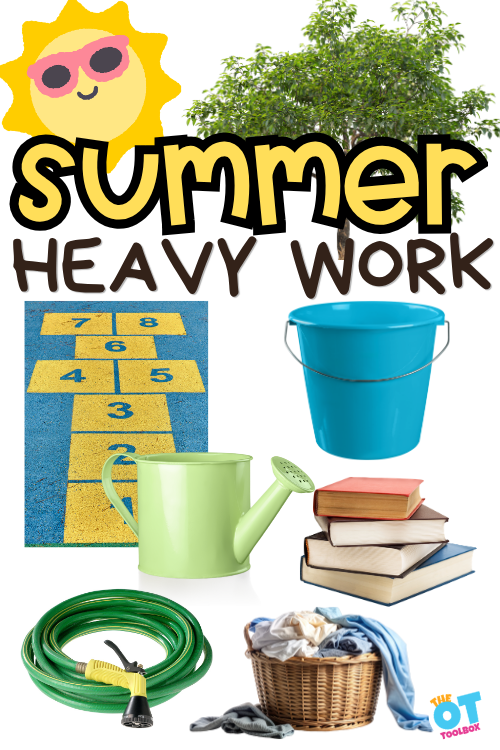
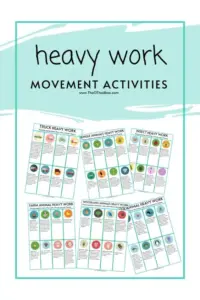
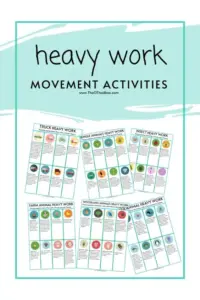
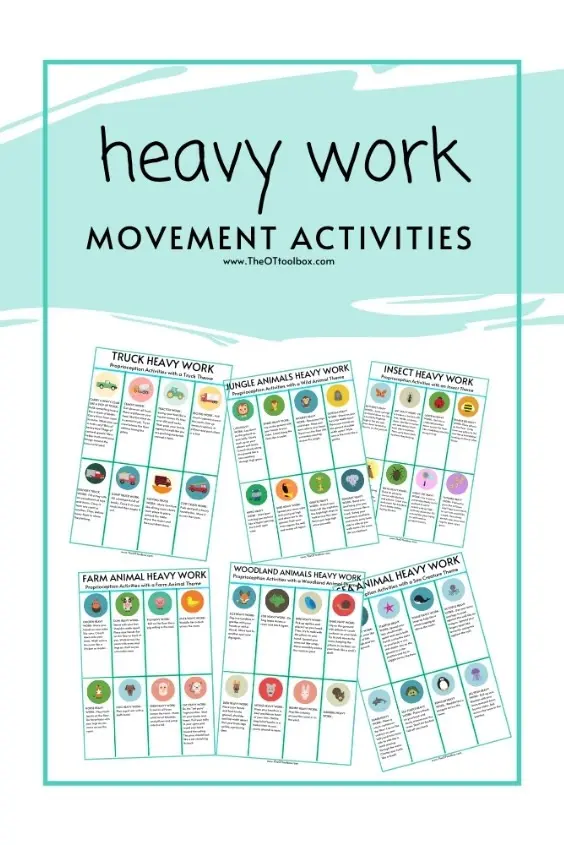
When children face these challenging moments of sensory dysregulation, occupational therapists and educators increasingly turn to a powerful, evidence-based tool known as "heavy work." Far from being a chore, heavy work encompasses a broad range of physical activities that provide essential calming and organizing sensory input to the nervous system. By targeting the muscles and joints through the proprioceptive system, these strategies offer a reliable pathway to help children regain focus, emotional stability, and self-regulation.

What is Heavy Work?
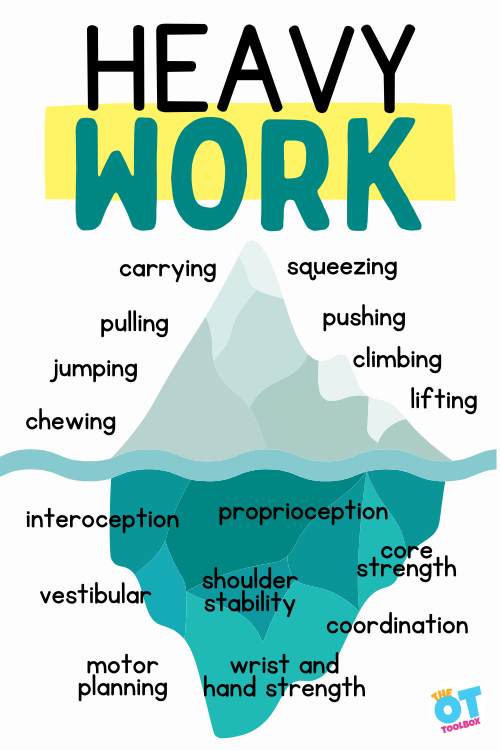
Heavy work refers to any activity that requires active engagement and effort from the body’s muscles and joints. These tasks primarily stimulate the proprioceptive system through movements such as pushing, pulling, lifting, jumping, and oral-motor chewing or sucking. When muscles contract against resistance, the proprioceptive receptors located within the ligaments, joints, and muscles transmit critical feedback back and forth to the brain.

The brain processes these signals to determine how much force a muscle should exert for a specific task. This complex sensory feedback loop is fundamental to body awareness, enabling children to understand where their physical form is positioned in space and how to execute controlled movements. Whether a child needs to handle a delicate object gently or lift a heavy basket without stumbling, the proprioceptive system constantly adjusts muscle output to match environmental demands.
As a universal regulator, the proprioceptive system has a unique capacity to even out disturbances across other sensory systems. It can help elevate sluggish energy levels or calm an over-stimulated nervous system, guiding children toward a balanced state where they can comfortably interact with their surroundings.

When and Why to Implement Heavy Work Strategies
Because heavy work is remarkably versatile, it can be easily integrated into daily routines at home, inside classrooms, and throughout professional therapy sessions. Incorporating these activities regularly contributes significantly to a child’s sensory processing development while equipping them with practical, self-directed regulation tools. The frequency and type of heavy work depend entirely on the individual child, taking into account their unique sensory preferences and positive responses.

Families often find success by introducing a heavy work activity during the morning routine before school, repeating the strategy in the afternoon upon returning home, and utilizing calming proprioceptive input as part of the bedtime wind-down process. In educational settings, teachers can implement whole-class heavy movement breaks at regular intervals to maintain focus and readiness to learn.

Underneath the visible physical actions of pushing a weighted object, climbing playground equipment, or carrying books lie essential underlying developmental components. While the observable actions represent the surface of the sensory experience, the internal mechanisms drive core stability, motor planning, and spatial awareness. These foundational elements work in tandem, creating a continuous cycle where physical exertion reinforces neurological organization, and neurological organization enhances physical capability.

Practical Applications Across Daily Routines
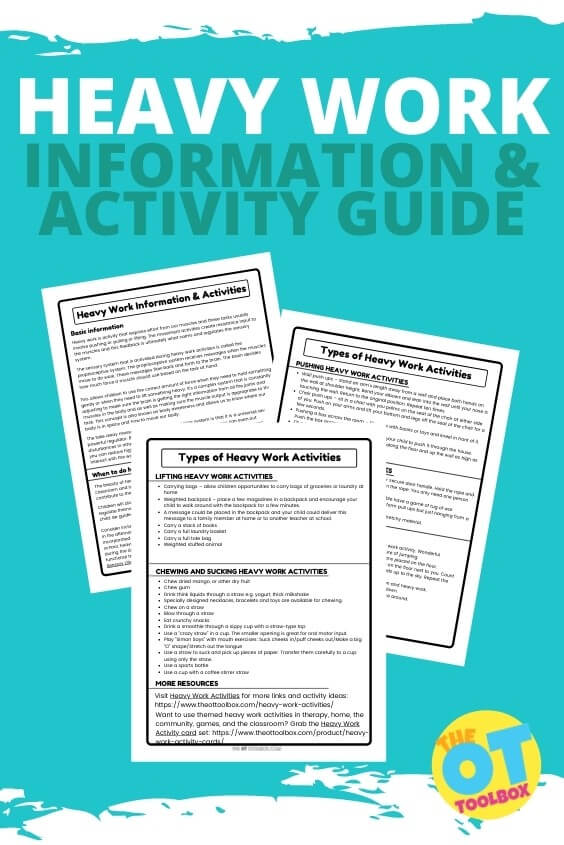
Heavy work activities range from equipment-free movements to specialized props, allowing caregivers to adapt to any environment. Pushing and pulling activities—such as moving a heavy laundry basket, participating in tug-of-war, or performing wall push-ups—engage proximal joint stability in the upper extremities and core strength. Meanwhile, jumping activities on a trampoline or executing star jumps provide organizing input through the hips, knees, and ankles.
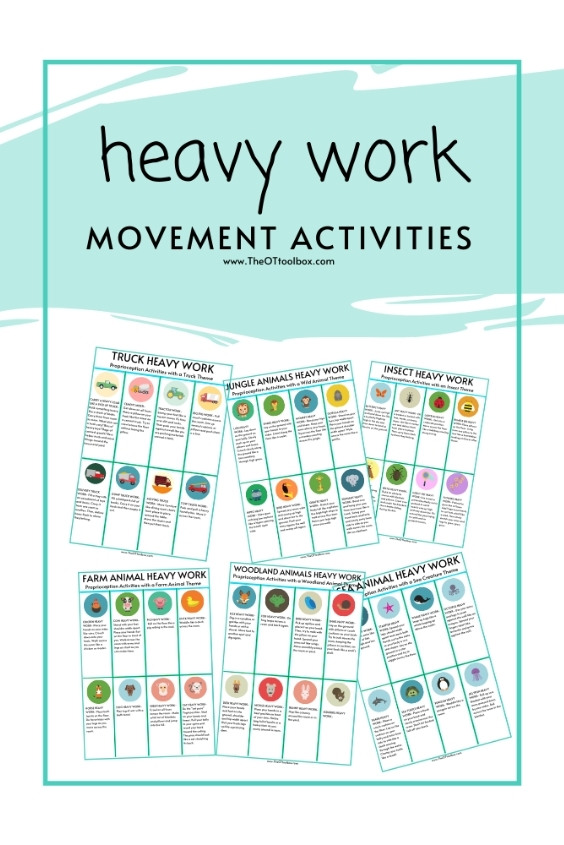
Lifting tasks, such as carrying weighted backpacks or stacks of books, integrate body weight and external resistance to ground the nervous system. Additionally, oral-motor strategies involving heavy work through the jaw, cheeks, and neck—such as chewing resistant snacks or using specialized oral motor tools—offer profound organizing benefits for children struggling with attention and emotional regulation.
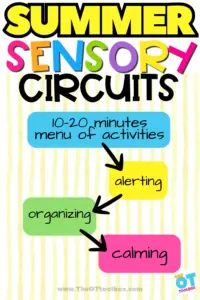
As seasonal transitions bring changes to familiar schedules, maintaining sensory support becomes especially critical. During the summer months, when academic routines pause and screen time often increases, structured physical tasks can bridge the gap between sedentary habits and active engagement. Integrating heavy work into seasonal routines—such as yard chores, community outings, backyard play, and water activities—helps children sustain healthy sensory diets while staying active. By weaving proprioceptive input naturally into daily responsibilities and recreational play, parents and educators can effectively support children’s neurological needs year-round.