










When prospective cat owners begin the process of searching for a new kitten, the focus is often on breed, color, or immediate availability. However, experts are increasingly emphasizing that the most critical factor in a kitten’s future success—and the long-term harmony of the household—lies in the circumstances of their earliest weeks. Investigating the background of a breeder, shelter, or rescue organization is not just a due diligence task; it is a fundamental step in ensuring the kitten’s behavioral development is on the right track. An excellent start to life can fundamentally change the trajectory of a cat’s personality, transforming a potentially fearful or anxious animal into a confident and friendly companion.
The importance of this period is rooted in biological development. Kittens undergo what is known as a "sensitive period" for socialization, occurring between the ages of two and nine weeks. During this narrow window, the feline brain is in a state of rapid development, forming the neural pathways that will dictate how the animal perceives the world for the rest of its life. During these formative weeks, exposure to a wide variety of positive stimuli is essential. Research indicates that when kittens are provided with a diverse range of safe, pleasant experiences, they are significantly more likely to grow into well-adjusted, gregarious adult cats. Because ethical standards dictate that kittens should not be separated from their mothers or siblings until at least eight weeks of age—with many experts advocating for an even later transition—the responsibility for this critical socialization falls squarely on the shoulders of the breeders or rescue staff.
For those in charge of raising kittens during this window, the mission is to replicate the complexity of the world they will eventually inhabit. This includes carefully managed, positive interactions with a variety of people, exposure to other animals, and familiarity with common household objects and environments. The presence of diverse human visitors is particularly vital. Kittens that have been handled by various people—men, women, and children—during these early weeks develop a foundational trust in humans that persists into adulthood. Studies, including those by Casey and Bradshaw (2008) and later work by Turner (2021), have consistently demonstrated that kittens who receive high levels of early socialization are more likely to seek out human company once they reach one year of age. They demonstrate a significantly higher capacity to form bonds with new people, proving that the time invested in a kitten’s first two months yields a dividend that lasts for years.

The physical environment in which a kitten is raised is just as important as the social stimulation it receives. The ideal scenario is a home-based environment, where kittens become accustomed to the symphony of a normal household. Sounds such as the hum of a refrigerator, the rhythmic clatter of a dishwasher, or the thrum of a washing machine should become background noise rather than sources of terror. While shelters and rescues often face space and resource constraints, many are now prioritizing the use of foster homes to ensure that kittens are raised in a domestic setting rather than a sterile or isolated cage. Even when a kitten must spend its early weeks in a shelter environment, modern best practices dictate that staff and volunteers must take deliberate steps to simulate household experiences, ensuring that the kitten is not "shelter-shocked" when it finally moves to a permanent home.
Prospective owners should take an active role in vetting the environment before finalizing their adoption. This includes meeting the mother cat. Observing the queen’s temperament is a reliable indicator of the genetic and environmental influences the kittens have been exposed to; if the mother is friendly and relaxed with human visitors, it is a positive sign that she is fostering a sense of security in her offspring. If the father is available to be met—a practice more common among pedigree breeders than in rescue settings—his temperament should also be assessed. Beyond behavior, health is paramount. A stressed environment can suppress a kitten’s immune system, making them more susceptible to illness. Therefore, when evaluating a breeder or shelter, look for signs of a calm, clean, and stable environment. If the cats appear anxious, fearful, or physically unwell, it is a significant warning sign that the kittens may have been subjected to chronic stress, which can have long-lasting effects on their behavioral health.
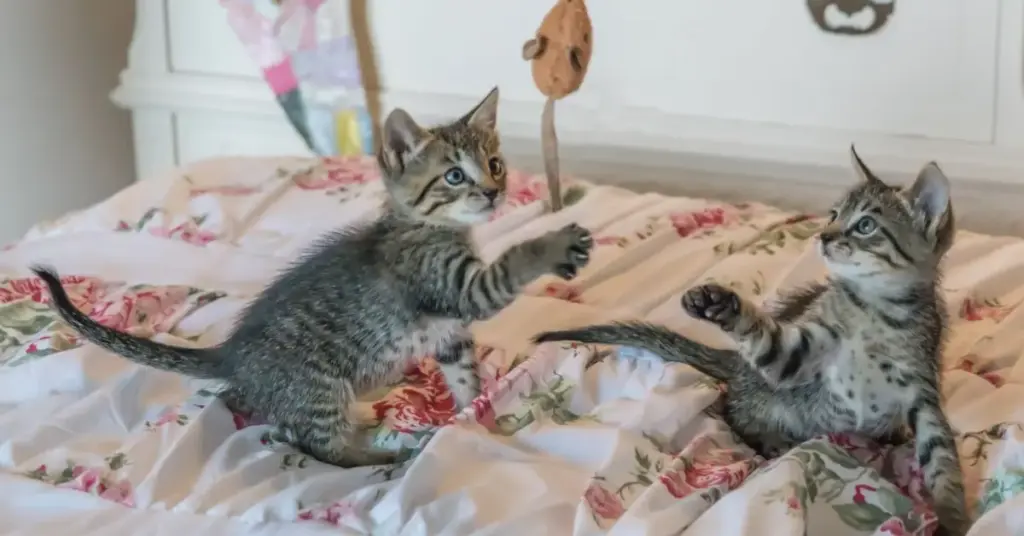
One of the most effective strategies for ensuring a kitten’s well-being is to adopt a pair rather than a single kitten. The developmental benefits of having a companion are immense, particularly during the peak of the play-cycle, which occurs between eight and fourteen weeks. During this time, kittens engage in intense, frequent play sessions that serve as a crucial learning laboratory. Through wrestling, pouncing, and chasing their siblings, kittens develop essential motor control, refine their predatory instincts, and, perhaps most importantly, learn vital social skills, such as bite inhibition and body language cues. When a kitten has a playmate, they are able to burn off excess energy and engage in natural behaviors that they cannot fully replicate with human owners. Furthermore, for those who know they eventually want multiple cats, adopting a bonded pair from the start is an ideal solution. It eliminates the potential for the territorial friction and complex integration issues that often arise when an existing resident cat is forced to accept an unrelated newcomer into their domain later in life.
Once the kitten is safely in its new home, the work of socialization does not end; it merely shifts into a new phase. The owner must become the facilitator of positive experiences, ensuring the kitten continues to feel secure. A core principle of this phase is autonomy. Because kittens are small and vulnerable, they should always be given the choice of whether or not to engage with a new person or object. It is a common human impulse to shower a cute kitten with constant physical attention, but this can easily become overwhelming for a young animal. Owners should be vigilant in monitoring the kitten’s body language. Signs of discomfort—such as flattened ears, a twitching tail, or attempts to retreat—should be respected immediately. Forcing a kitten to endure handling they are not comfortable with is a recipe for building distrust and anxiety.
This period is also the perfect time to introduce the kitten to the routines of lifelong care, such as grooming, brushing, and nail trims. However, these tasks should never be approached as a struggle for dominance. Instead, they should be broken down into short, pleasant, and rewarding sessions. If you intend to brush your kitten’s teeth, for example, do not begin by forcing a brush into their mouth. Start by getting the kitten used to the scent of the pet-safe toothpaste, then the touch of your finger, and finally the tool itself, rewarding every step with praise or a treat. By making these sessions fun and brief, you turn necessary maintenance into a positive bonding experience. The goal is to ensure the kitten remains relaxed, as negative experiences during this stage can leave an indelible mark on their temperament.
For those seeking extra guidance, the growing availability of "kitten kindergarten" classes can be an invaluable resource. While these programs are not yet ubiquitous, they provide a structured, safe environment for both the kitten to socialize and the owner to learn the nuances of feline communication. If such a class is not available in your area, do not despair; there is a wealth of reliable information available on cat behavior that can help bridge the gap. Investing time in understanding how a cat perceives the world is perhaps the most meaningful way to ensure a harmonious relationship. By learning to recognize the signs of stress, understanding the importance of feline autonomy, and meeting their developmental needs, owners can set the stage for a fulfilling, long-term bond with their companion. A little bit of knowledge and a focus on positive reinforcement during these formative months will pay dividends, resulting in a cat that is not only a well-behaved pet but a confident and happy member of the family for many years to come.