




For decades, the prevailing scientific understanding of major depressive disorder (MDD) was centered on a relatively simple concept: chemical imbalance. The "serotonin hypothesis"—the idea that depression was primarily caused by a deficiency in specific neurotransmitters—has informed psychiatric care and pharmaceutical development for half a century. However, a landmark study from the Columbia University Vagelos College of Physicians and Surgeons suggests that the roots of depression run much deeper, involving a fundamental failure in the brain’s ability to renew itself and adapt to an ever-changing world.
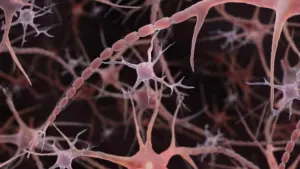
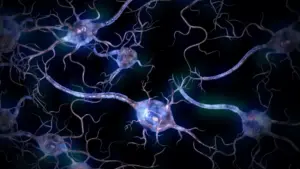
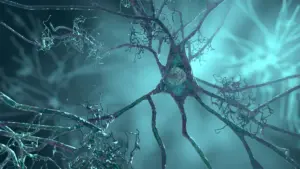
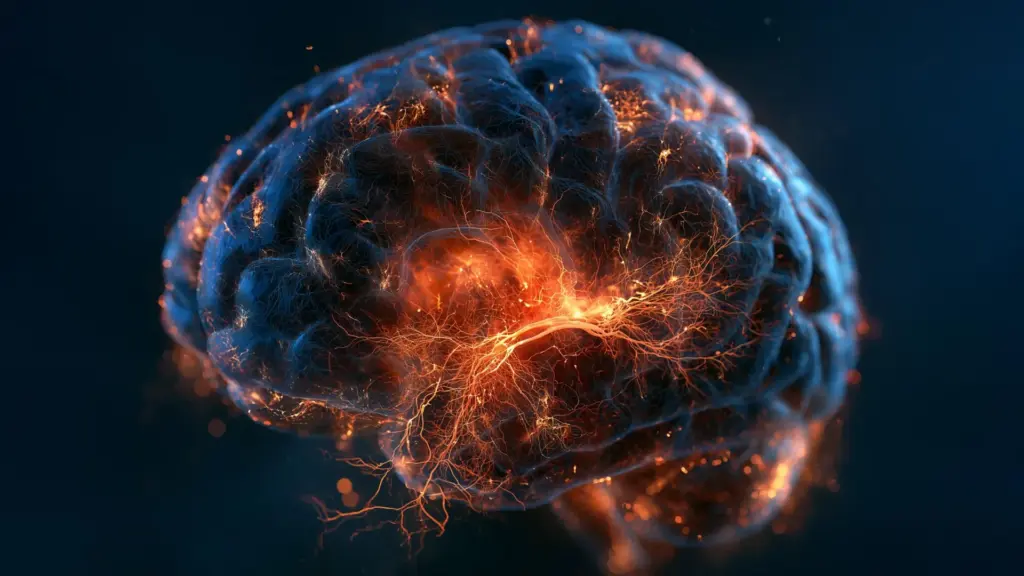
New research, published on August 21, 2026, in the journal Nature Medicine, provides the first concrete evidence that neurogenesis—the process of producing new neurons—stalls in the brains of adults suffering from major depressive disorder. While it has long been understood that most of the brain’s estimated 100 billion neurons are formed before birth, the hippocampus remains a rare sanctuary of development, capable of generating new neurons throughout adulthood. This latest study suggests that when this process falters, the consequences for emotional regulation and memory are profound.
Redefining the Biology of Depression
"Historically, depression was thought to be a disease of neurotransmitter deficiency, especially serotonin, but we now think that depression stems from multiple issues that affect our neurons’ ability to adapt to stress and changing environments," explains Maura Dupont, professor of psychiatry at Columbia University, who led the research team.

The implications of this shift are significant. If depression is not merely a lack of chemical signaling, but rather a structural and functional failure of the brain to "re-wire" itself in response to experience, then the focus of treatment must expand. Dupont emphasizes that without the capacity to generate new neurons, individuals may lose the essential psychological resilience required to navigate life’s challenges. When the brain loses its plasticity, it becomes trapped in old patterns, unable to effectively process new, positive, or neutral experiences.
The Hippocampus: The Epicenter of Emotional Memory
To understand why this process is so critical, researchers turned their attention to the hippocampus. This region is a cornerstone of the limbic system, governing both episodic memory and the emotional significance we assign to our experiences. It is also one of the few regions of the human brain where adult neurogenesis persists.
The researchers posit that the hippocampus acts as a filter for reality. When it functions correctly, it performs a task known as "pattern separation," which allows the brain to distinguish between similar but distinct memories. For instance, a healthy brain can easily differentiate between a neutral interaction with a friend today and a rejection experienced years ago.
However, when neurogenesis slows or stops, pattern separation is impaired. This impairment causes distinct life events to bleed into one another, often dragging the emotional weight of past trauma into the present.
"You may be out with a friend for lunch, but she’s tired and doesn’t talk much," Dupont explains, illustrating the clinical reality she observes in her patients. "With intact pattern separation, you remember this as a unique event. With impaired pattern separation, it becomes mixed with previous memories of feeling rejected, leading you to think, ‘They’re upset with me.’ I see this a lot in my patients, where they can only retrieve negative information from their memories."
This theory is bolstered by previous research in animal models, which consistently demonstrated that adult neurogenesis is a prerequisite for effective pattern separation. Furthermore, observations of patients who underwent radiation therapy for brain tumors—a process that effectively halts neurogenesis in the hippocampus—showed similar cognitive and emotional deficits, suggesting a clear link in human biology.
The current consensus among the research team is that newborn neurons are uniquely valuable because they are highly responsive to environmental stimuli. They integrate into memory circuits with greater ease than older, more "fixed" neurons, effectively acting as the brain’s mechanism for recording new, nuanced data rather than relying on stale, emotionally charged scripts from the past. Turning this process back on could, in theory, allow the hippocampal circuit to "re-wire," offering a path to recovery for those whose depression has proven resistant to traditional chemical therapies.
Beyond Neurogenesis: A Systemic Failure
The Columbia study reveals that the biological disruption in depressed brains is not limited to the birth of new cells. The researchers conducted an exhaustive analysis of nearly half a million brain cells donated by both depressed and control subjects shortly after death. Using cutting-edge single-cell gene expression profiling and proteomic analysis, the team mapped the entire landscape of the hippocampus at a molecular level.
The findings were staggering in their breadth. The molecular disruptions were pervasive, extending to genes responsible for structural connectivity, cellular energy production, and the internal transport of materials within neurons. Furthermore, the trisynaptic circuit—the primary pathway through which the hippocampus establishes new emotional memories—showed clear signs of chronic inflammation and cellular stress.
This suggests that depression is not just a localized problem with "neuron production," but a systemic breakdown of the hippocampal network. The study identified altered activity in several genes previously linked to MDD, as well as significant epigenetic changes. These epigenetic markers, which Dupont likens to "dimmer switches" that regulate gene activity, appear to be heavily influenced by life experiences, including chronic stress, aging, and environmental toxins. Because these switches are flexible, they offer a potential window into how the environment physically shapes our genetic output, ultimately manifesting as the symptoms of depression.
Toward a New Taxonomy of Depression
Perhaps the most ambitious aspect of the research is the potential for a new clinical classification system. Just as oncology has moved away from categorizing cancer solely by where it appears in the body—opting instead for molecular subtyping to guide targeted, effective treatment—Dupont believes psychiatry must follow suit.
The immense diversity of molecular changes identified in the study may explain why depression manifests so differently from patient to patient. One person may experience depression as a total loss of interest and energy, while another may suffer from intrusive negative thoughts and anxiety.
"We want to reclassify depression based on its molecular features, similar to what has been done in cancer," says Dupont. "Classifying cancers based on their cellular characteristics, not their locations, has led to new and improved treatments. We hope the same will be true for depression and other psychiatric or brain diseases."
While the path to such personalized psychiatric medicine is long, this research provides the necessary map. By defining the disorder with unprecedented precision at the molecular level, the scientific community can begin to develop targeted interventions that address the specific biological malfunctions in an individual’s brain, rather than relying on broad-spectrum medications that may not address the underlying pathology.
The study, titled "Dysregulated adult hippocampal neurogenesis in major depressive disorders," was the result of a massive collaborative effort, involving a diverse team of researchers from the Columbia University Irving Medical Center and the New York State Psychiatric Institute. As the medical community digests these findings, the focus shifts toward identifying the specific molecular "dimmer switches" that could be modulated to restore neurogenesis and, ultimately, mental health. While the complexity of the human brain remains a formidable challenge, this research marks a significant step away from the limitations of the past and toward a more nuanced, biological understanding of the human condition.