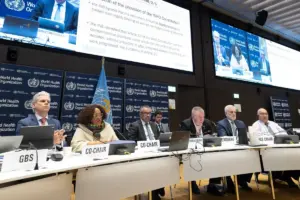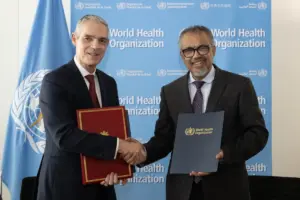








The World Health Organization (WHO) has officially unveiled a pivotal new resource designed to reshape how national legislatures engage with public health challenges. Titled "The Role of Parliaments and Parliamentarians in Strengthening Health Security Preparedness," this comprehensive online training course represents a strategic shift in the organization’s approach to global pandemic readiness. By providing lawmakers with the technical knowledge, legal frameworks, and oversight tools necessary to navigate complex health emergencies, the WHO is seeking to bridge the gap between scientific expertise and political action.
The launch of this digital curriculum comes at a time when the global community is still grappling with the profound, multifaceted lessons of the COVID-19 pandemic. The crisis served as a stark reminder that health security is not merely a technical or medical concern, but a deeply political one. It highlighted that when health emergencies strike, the efficacy of the response is largely dictated by the strength of national institutions, the transparency of governance, and the ability of elected officials to act decisively.
The WHO’s new initiative acknowledges that parliamentarians occupy a unique position in this landscape. They are the primary architects of national legislation, the stewards of the public purse, and the crucial bridge between government policy and the citizenry. In the aftermath of recent global health crises, high-level reviews have consistently concluded that the lack of legislative engagement in health security planning has often hindered, rather than helped, emergency response efforts. By empowering those who hold the power of law-making and budgetary oversight, the WHO aims to ensure that health security is prioritized in legislative agendas long before the next pathogen emerges.

This training program is structured into seven detailed modules, each meticulously crafted to address the diverse functions that parliamentarians perform. Rather than focusing solely on clinical or epidemiological data, the course focuses on the practical application of legislative power to secure public health. Participants will delve into the intricacies of drafting laws that support robust surveillance systems, conducting rigorous oversight of health departments, and ensuring that public funds are allocated effectively to support the International Health Regulations (2005).
The International Health Regulations (2005), or IHR, serve as the cornerstone of this curriculum. These regulations represent an international legal instrument that is binding on 196 countries, including all WHO Member States. The regulations are designed to assist countries in working together to share information and respond to public health events that have the potential to cross borders. However, the WHO has long noted that the implementation of the IHR at the domestic level often falters due to a lack of legislative support. By educating parliamentarians on the significance of these regulations, the course aims to foster a stronger, more consistent adherence to global health standards within national borders.
Beyond the legal framework, the course emphasizes the role of the parliamentarian as a representative of the people. Building social trust is a recurring theme throughout the training, reflecting the hard-learned lesson that scientific guidance is only as effective as the public’s willingness to follow it. When parliamentarians are well-versed in the mechanics of health security, they become better positioned to communicate risks, combat misinformation, and champion policies that protect the most vulnerable segments of society. This social contract is presented as a vital component of resilience; a government that cannot earn the trust of its people during a health crisis will inevitably struggle to contain it.
The course is hosted on the OpenWHO platform, an accessible digital learning portal that allows parliamentarians and their staff to engage with the material at their own pace. This flexibility is intentional, as the WHO recognizes the demanding and often unpredictable schedules of elected officials. By removing geographical and logistical barriers to entry, the organization hopes to see a broad uptake of the material across various political systems and regions.
Participants will also explore the practical aspects of budgetary allocation. In many nations, the gap between a government’s health security promises and its actual capabilities is a result of insufficient or misdirected funding. The training provides parliamentarians with the analytical tools to interrogate health budgets, identify gaps in infrastructure, and advocate for sustainable financing that goes beyond short-term emergency funding. The goal is to move away from the "panic-then-neglect" cycle that has historically characterized global health spending, instead encouraging a model of consistent, long-term investment in health systems that are ready to respond to any threat.
The training also encourages parliamentarians to identify opportunities for international cooperation. Health security, by its very nature, is a transnational issue. Viruses and other health threats do not recognize sovereign borders, and the strength of the global network is only as strong as its weakest link. By fostering a sense of shared responsibility, the WHO aims to create a cadre of informed legislators who can collaborate with their counterparts in other nations to harmonize standards, share best practices, and coordinate responses to cross-border health emergencies.
The content is highly actionable. It does not merely provide theoretical background; it offers practical recommendations and strategies that parliamentarians can implement immediately upon returning to their legislative chambers. This includes guidance on how to hold executive branches accountable for their preparedness plans, how to integrate health security into wider national security dialogues, and how to utilize their platform to elevate public health to a top-tier political priority.
The introduction of this resource is part of a broader WHO strategy to foster a more resilient global community. As the organization notes, the future of health security depends on shifting the burden of responsibility from individual health agencies to the entire apparatus of the state. When parliamentarians are equipped with the right tools, they act as a safeguard against institutional complacency, ensuring that preparedness remains a permanent fixture of the national conversation rather than a temporary reaction to tragedy.
The WHO has issued a call to action, encouraging not only parliamentarians but also their aides, committee researchers, and interested stakeholders to engage with this curriculum. The impact of such education is expected to be cumulative. As more lawmakers understand the critical nexus between legislative action and health security, the political discourse around public health is expected to become more informed, more proactive, and more effective.
In the final analysis, the success of this initiative will be measured by the ability of national parliaments to transform these lessons into tangible policy improvements. By standardizing the knowledge base for lawmakers worldwide, the WHO is effectively providing a roadmap for stronger, more responsive governance. The organization emphasizes that while the technical requirements of health security are immense, the political will to enact them is equally vital. By providing this specialized training, the WHO is actively fostering that will, ensuring that the global community is better positioned to safeguard human health in an increasingly interconnected and uncertain world. The tools are now available, and the invitation is extended to those who hold the authority to shape the future of global health security.