









In the field of speech-language pathology, the challenge of addressing childhood fluency disorders has long been a source of pressure for both clinicians and parents. The demand for evidence-based, organized, and accessible materials has led to the development of a new, comprehensive suite of fluency curriculums designed to streamline therapy and provide children who stutter—or who experience other disfluencies—with the tools necessary to communicate with increased confidence and control.
These new curriculums offer a structured framework that shifts the focus from sporadic, fragmented exercises to a cohesive, goal-oriented approach. Whether a child is navigating the social complexities of a classroom, interacting with friends, or engaging in various community settings, the programs aim to provide practical, real-world strategies that foster comfort and understanding. By offering a roadmap for therapy, these resources seek to remove the guesswork that often plagues clinical planning, allowing speech-language pathologists (SLPs) to dedicate more of their time to the children themselves rather than the administrative burden of designing sessions from scratch.
Foundations for Fluency: A Holistic Approach
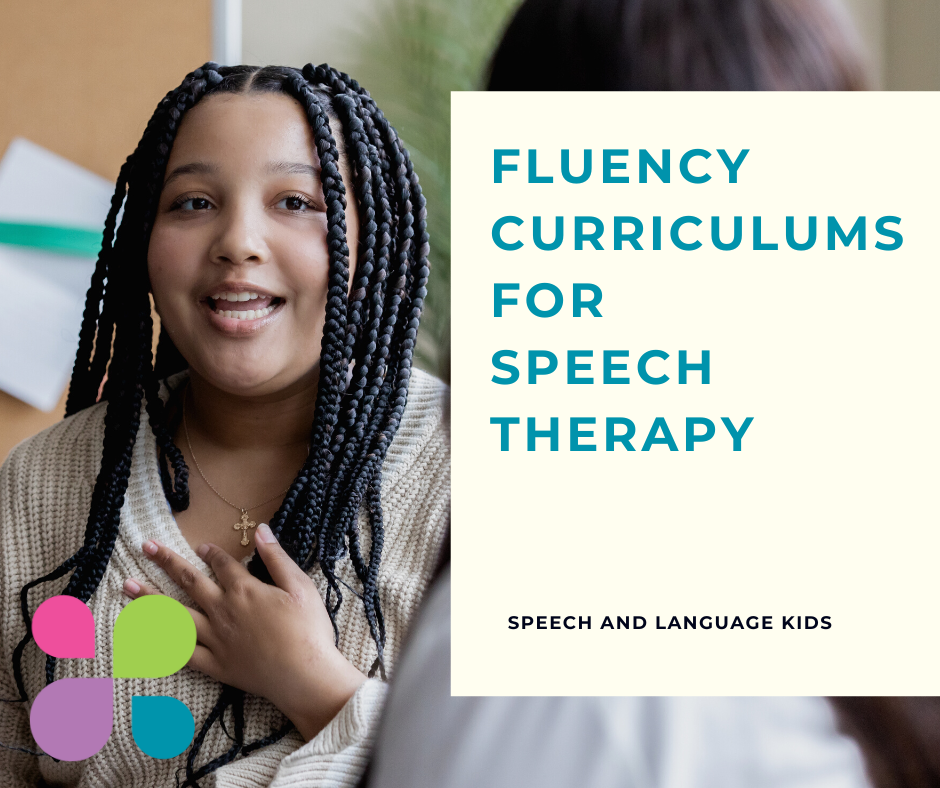
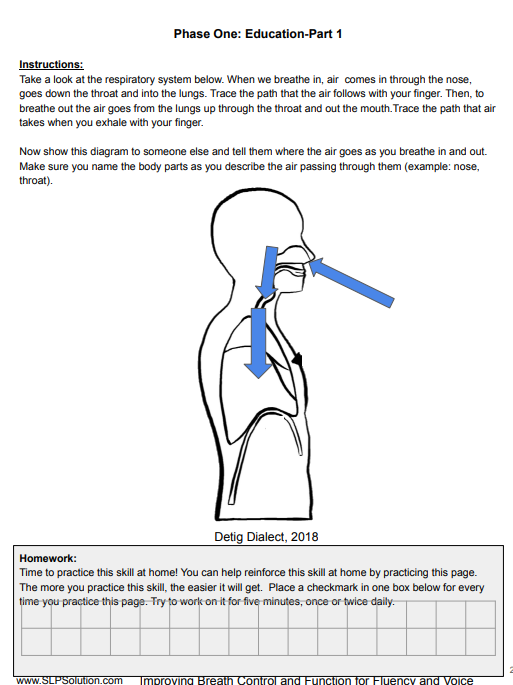
One of the cornerstones of this new release is the "Foundations for Fluency" curriculum, which targets the critical interplay between breath, speech, and emotional regulation. For many children and teens, the experience of stuttering is as much about the physiological act of speaking as it is about the emotional reaction to that struggle. This curriculum addresses these foundations by teaching students to coordinate their breathing with their speech patterns, while simultaneously increasing their awareness of disfluencies.

Crucially, the program places a significant emphasis on emotional management. It encourages students to develop self-acceptance and confidence, acknowledging that the way a child feels about their speech is often as important as the speech itself. The curriculum is segmented into three distinct levels, catering to developmental milestones. The beginner level, aimed at ages five to eight, focuses primarily on breath-speech coordination. As students progress into the intermediate level—typically for those aged seven to ten—the focus shifts toward managing reactions to fluency struggles. Finally, the advanced level, designed for children and teens aged ten to fifteen, emphasizes self-monitoring and the carryover of these strategies into everyday life. While these age ranges provide a helpful benchmark, the program is designed to be flexible, supporting older students who may still be working to master these foundational skills.

A Dedicated Stuttering Curriculum
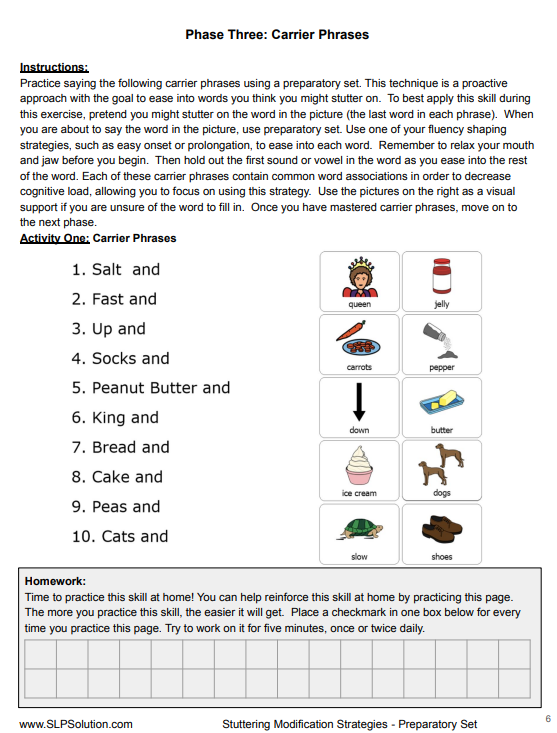
Recognizing that stuttering manifests differently across various developmental stages, a secondary, dedicated "Stuttering Curriculum" has been introduced. This program provides clinicians with a clear, step-by-step roadmap for therapy, including ready-to-use materials designed to build confidence.
The structure of this curriculum reflects the evolving needs of the child. For young children between the ages of two and six, the program utilizes indirect therapy, which focuses on creating an environment that supports natural speech development. As children grow and their awareness of their own speech increases, the intermediate level—intended for those four to eight years old—introduces specific fluency-shaping techniques. For older students, typically those between seven and ten, the advanced level shifts to stuttering modification techniques. By providing this graduated approach, the curriculum ensures that therapists can meet children exactly where they are in their development, moving from foundational support to more complex, self-directed strategies.
Addressing Cluttering and Word-Finding Challenges
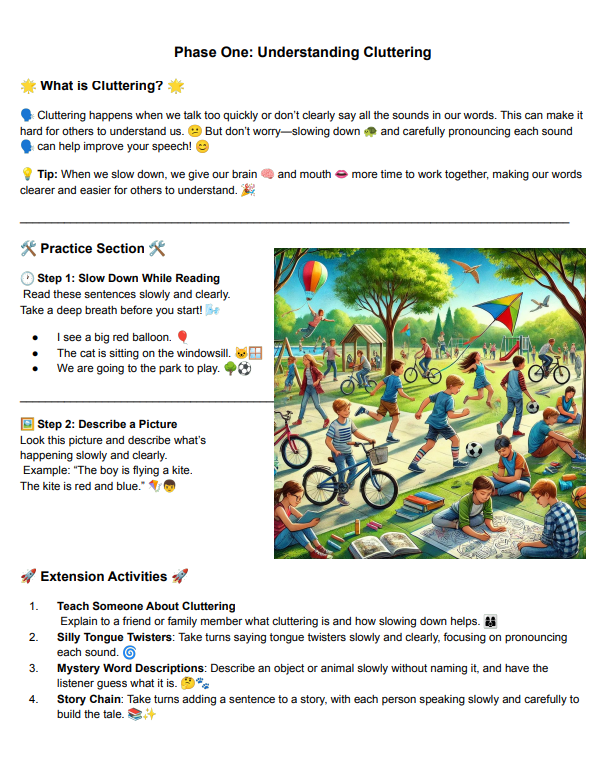
Beyond stuttering, the initiative also addresses other communication challenges, such as cluttering and word-finding difficulties. Cluttering, which is often characterized by a rapid or irregular speech rate that impacts intelligibility, requires a different therapeutic approach than traditional stuttering. The "Cluttering Curriculum" provides a systematic, step-by-step methodology designed to help children and teens develop more organized, clear speech.
The curriculum begins with foundational strategies for slow and clear speech for children aged seven to ten, before advancing to increasing the mastery of those strategies for those aged nine to twelve. The final level targets the correction of intelligibility issues within spontaneous conversation for students aged ten to twelve. This level of structure is intended to make therapy more focused and easier to implement, particularly for clinicians who may be balancing a high caseload and limited preparation time.
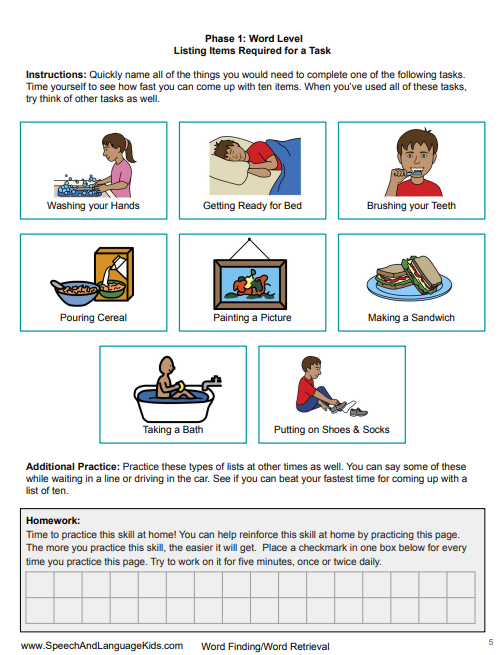
Similarly, the "Word Finding/Word Retrieval Curriculum" addresses the frustration of struggling to access the right words at the right time. By utilizing semantic and phonological strategies, the program aims to improve both the speed and accuracy of a child’s communication. The beginner level, suited for children as young as four, focuses on semantic organization. The intermediate level introduces phonological strategies to assist with retrieval, while the advanced level provides conversational strategies for older students, helping them manage word-finding gaps in real-time interactions.
Streamlining the Therapeutic Journey
The philosophy behind these new resources is rooted in the idea that when a clinician has a clear, evidence-based plan, the child is likely to make faster, more consistent progress. The administrative load on speech-language pathologists is a recognized factor in therapist burnout; by providing comprehensive, ready-made plans for the most common areas of communication intervention, these curriculums allow professionals to move away from "reinventing the wheel" for every individual student.
These resources are designed to cover the entire therapeutic trajectory, from the initial assessment to the eventual mastery of skills. The goal is to create an environment where the clinician can focus on the nuance of the student’s needs, rather than the logistics of session planning. This, in turn, helps children and teens feel more supported in their individual communication journeys.
For those interested in the underlying methodology, additional context is available through accompanying media, including specialized podcasts and instructional video previews. These resources offer clinicians a "sneak peek" into how the materials are applied in a real-world setting, providing a clearer picture of how the programs can be integrated into existing practice.
The introduction of these curriculums arrives at a time when the field of speech therapy is increasingly prioritizing both functional outcomes and the emotional well-being of the patient. By combining technical strategies—such as breath control or phonological awareness—with a strong emphasis on the student’s confidence and self-perception, these programs aim to provide a more holistic form of support. Whether a child is just beginning their journey with speech therapy or is working on the final stages of generalizing their skills to the outside world, these structured resources seek to ensure that they are equipped with the tools necessary to speak freely and feel fully understood.