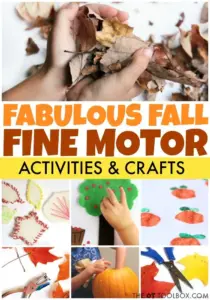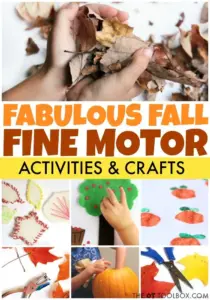








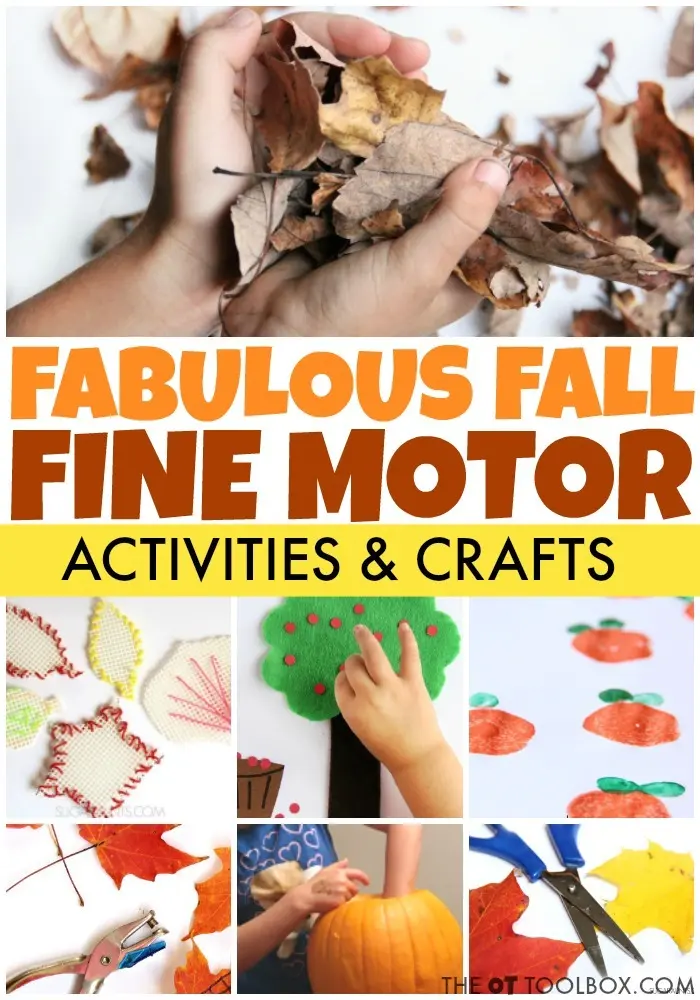
As the autumn air brings changing foliage and seasonal traditions, pediatric occupational therapists, educators, and parents are increasingly leveraging fall-themed materials to address critical developmental milestones in children. Rather than selecting seasonal activities purely for recreational engagement, developmental specialists are utilizing apples, leaves, pumpkins, acorns, and farm-related motifs to target specific functional capacities, including hand strength, finger dexterity, scissor mechanics, visual-motor integration, and foundational handwriting skills.
The transition into autumn offers a natural abundance of sensory-rich materials that can be easily integrated into both clinical therapy sessions and everyday play environments. Specialists note that many seasonal tasks inherently require complex neuromotor coordination, making it possible to address multiple therapeutic goals simultaneously through creative play.
Addressing Hand Strength Through Seasonal Manipulatives
Building foundational hand and finger strength is a primary objective in early childhood development, as strong intrinsic muscles are necessary for tasks ranging from managing clothing fasteners to maintaining an efficient pencil grasp. Autumn-themed interventions provide natural resistance and tactile feedback that encourage children to exert controlled force without perceiving the tasks as tedious exercise.
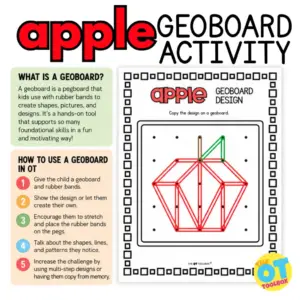
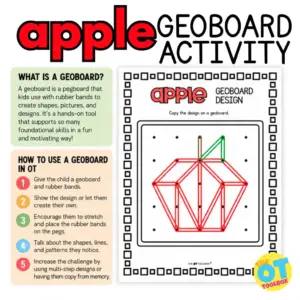
Apple-themed geoboards, for instance, require children to stretch elastic bands across wooden pegs to replicate specific fruit designs. This action introduces resistance to the fingers and hands while demanding precision and controlled release, simultaneously supporting bilateral coordination and motor planning. Similarly, traditional therapeutic play dough—when enhanced with autumn scents or paired with seasonal manipulatives like miniature leaves, plastic acorns, and colored beads—allows clinicians to target pincer grasps, arch development, and wrist stability through rolling, squeezing, and pressing.
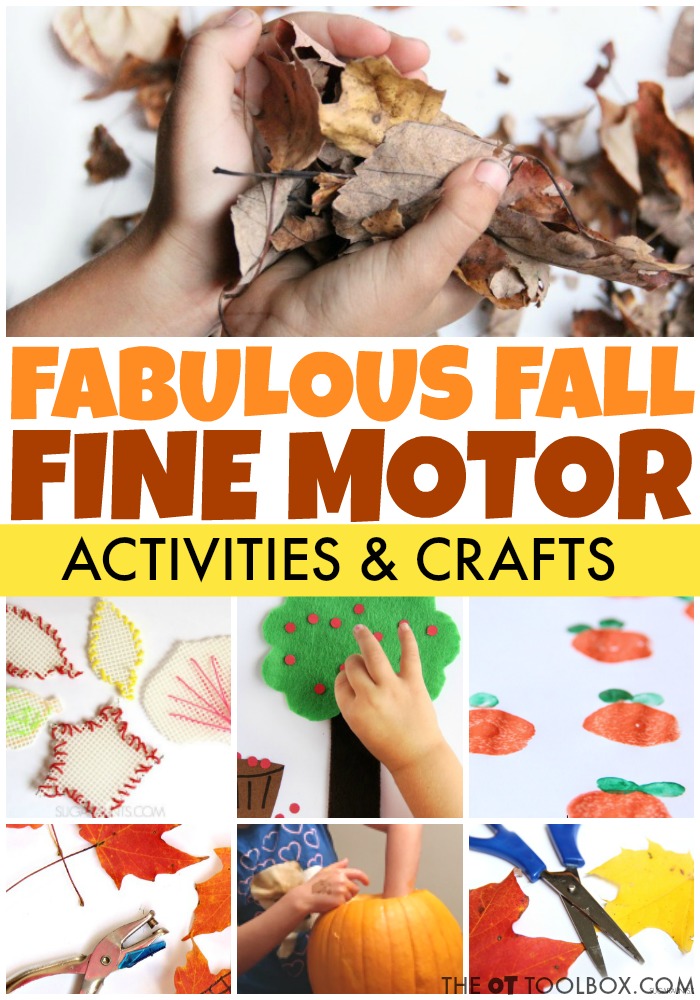
Other low-prep interventions, such as using handheld hole punches on paper or real leaves shaped like apples, help develop the sustained hand force and gross grasp patterns necessary for manipulating everyday tools.
Enhancing Manual Dexterity and Finger Precision
Manual dexterity requires the coordinated, precise movement of the fingers to manipulate small objects efficiently. Occupational therapists report that seasonal objects such as craft pom-poms, seeds, paper clips, and small craft items provide ideal opportunities to refine these skills.
Activities involving apple-themed counting cards and paper clips challenge children to use precise fingertip movements while encouraging bilateral hand integration, as one hand must stabilize the card while the other manipulates the clip. Fall-themed pom-pom transfer exercises, utilizing tongs or tweezers to move objects into partitioned trays, further refine visual-motor control and grasp precision. By adjusting the size of the manipulatives or altering the tools, practitioners can easily scale the difficulty to meet individual developmental needs.
Integrating Scissor Skills and Visual-Motor Integration
Cutting with scissors remains a complex developmental milestone requiring the simultaneous execution of distinct actions by both hands: the dominant hand opens and closes the blades while the non-dominant hand stabilizes and rotates the paper. Autumn-themed cutting practice pages, which feature curved or angled lines leading to apples, pumpkins, and farm animals, offer structured pathways for children to practice visual-motor tracking and bilateral integration.
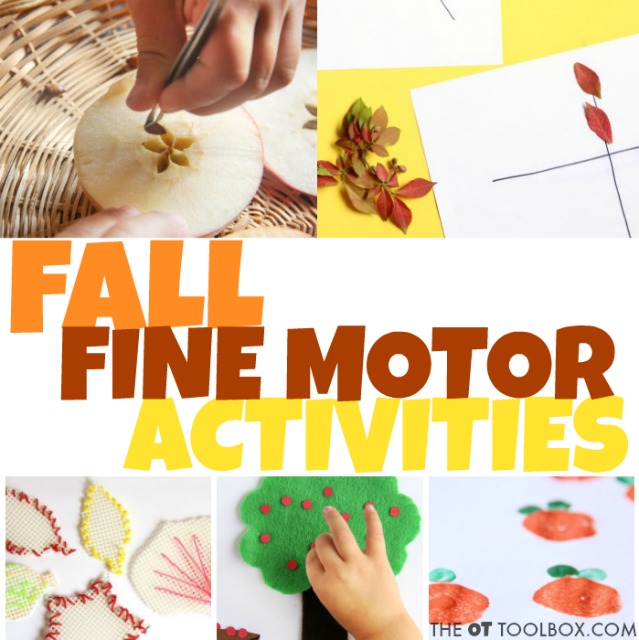
Beyond traditional paper cutting, therapists have incorporated real autumn leaves into scissor practice when seasonally available, allowing children to snip foliage into pieces or cut along drawn lines. Cut-and-paste crafts build further upon these mechanical skills by incorporating executive functioning components. When assembling multi-step farm or harvest scenes, children must cut out individual components, visually determine their correct spatial orientation, follow a sequential assembly plan, and apply adhesive precisely.
Visual-motor coordination challenges are similarly addressed through fall-themed directed drawing, pattern block designs, and seek-and-find activities. When children copy illustrations of pumpkins or acorns, they must analyze spatial relationships, monitor where lines begin and end, and translate visual input into coordinated hand movements. Visual scanning and sustained attention are reinforced through seasonal "I Spy" pages, which can be further adapted with fine-tuning tasks such as circling targets or attaching clothespins to designated illustrations.
Fostering Handwriting and Functional Writing Tasks
Rather than relying solely on isolated letter drills, pediatric specialists are integrating handwriting practice into meaningful seasonal writing prompts. These exercises allow practitioners to support children across various developmental stages using a single set of prompts—ranging from single fall vocabulary words for emerging writers to structured paragraph composition for older students. This approach allows clinicians to target specific components of written output, including line awareness, letter formation, spacing, and writing endurance.
As educational and clinical settings prepare for the autumn months, professionals continue to emphasize that seasonal crafts and play routines offer an effective avenue for developmental growth. By utilizing accessible materials found in nature or everyday classrooms, therapists and educators can support the essential motor foundations children require for academic and daily living success.