








AMMAN — Dr. Tedros Adhanom Ghebreyesus, the Director-General of the World Health Organization (WHO), concluded the first day of his high-profile, two-day State visit to the Hashemite Kingdom of Jordan today. The visit serves as a significant reaffirmation of the robust, multi-faceted partnership between the WHO and Jordan, specifically focusing on the critical pillars of universal health coverage (UHC), the expansion of mental health services, and the coordination of humanitarian health action in a region defined by complex challenges.
The cornerstone of the Director-General’s visit was an audience with His Majesty King Abdullah II. This meeting underscored not only the diplomatic significance of the visit but also highlighted Jordan’s prominent role as a regional leader in positioning health as both a national priority and a global imperative. During their discussions, the leaders addressed the urgent need for strengthening national health systems, the imperative of expanding access to care for vulnerable populations, and the necessity of maintaining consistent support for emergency medical responses. A significant portion of these talks centered on the plight of the Palestinian people, the ongoing management of patients evacuated from Gaza to Jordan for specialized treatment, and the Kingdom’s long-standing role as a host for millions of refugees.
Reflecting on the meeting, Dr. Tedros expressed his profound appreciation for the King’s steadfast commitment to the principles of universal health coverage. "I wish to express my appreciation to His Majesty King Abdullah II for his commitment to advancing universal health coverage," Dr. Tedros remarked. He further lauded the humanitarian ethos of the Jordanian people, noting their immense solidarity in providing comprehensive health services to more than three million refugees, predominantly those from Syria and Gaza, who have sought safety within the country’s borders.
Dr. Tedros took the opportunity to specifically praise the Kingdom’s humanitarian initiatives, most notably the "Medical Corridor" established under the direction of King Abdullah II. This initiative has become a lifeline, facilitating the delivery of critical, specialized care to children from Gaza suffering from severe illness and injuries. "Jordan continues to show the world what it truly means to put health and humanity first," the Director-General added, noting the importance of such programs in the current geopolitical climate.
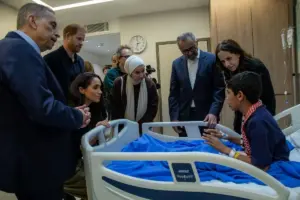
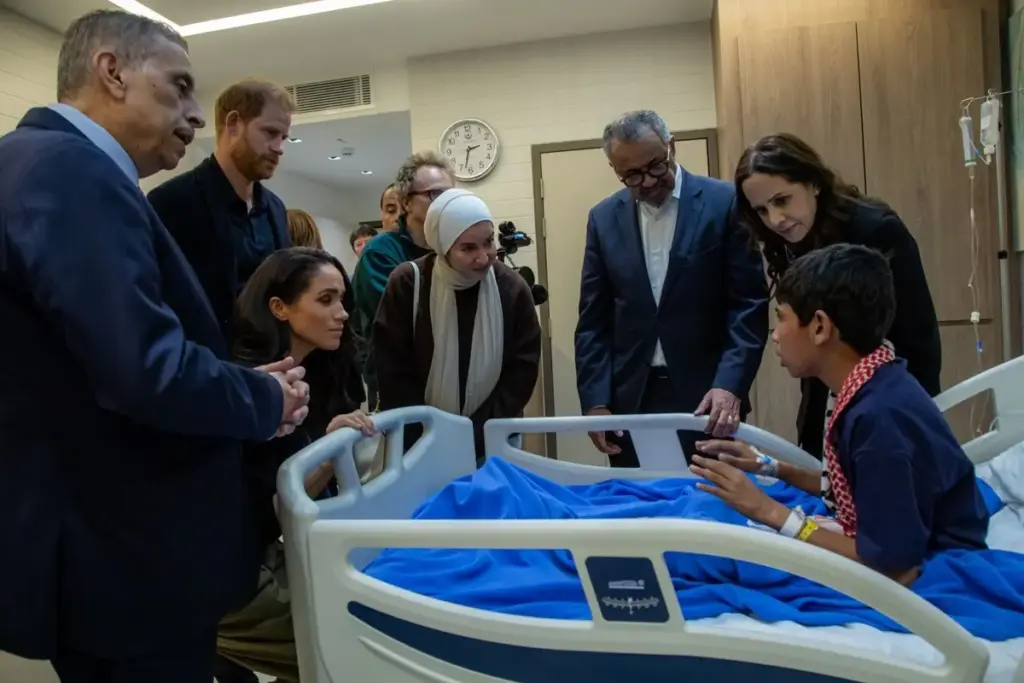
The human impact of these policies was brought into sharp focus during the Director-General’s visit to a WHO-supported hospital, where he witnessed the specialized care being provided to children evacuated from Gaza. During his visit, Dr. Tedros met with the young patients and their families, as well as the frontline healthcare professionals who are working tirelessly to provide life-saving treatments for cancer, complex injuries, and other serious medical conditions. This visit served as a poignant reminder of the vital importance of the medical evacuation corridor through Jordan and the persistent need for the international community to maintain and scale up the financial and logistical support required to ensure that the most vulnerable patients can access essential care.
Following his hospital visit, Dr. Tedros convened a high-level meeting involving key health stakeholders, including representatives from donor countries, various United Nations agencies, and leading philanthropic organizations. The discussion was centered on the financial architecture required to strengthen Jordan’s health infrastructure and the logistics of sustained humanitarian health action. Key themes included the scaling up of mental health services—a critical need in conflict-affected populations—and the development of more sustainable support mechanisms for countries that host large refugee populations. The Director-General expressed his satisfaction with the level of collaboration among these partners and emphasized the need for a continued, long-term commitment to investing in the health resilience of Jordan and the broader region.
In separate bilateral discussions with the Jordanian Minister of Health, Dr. Tedros explored strategies for advancing universal health coverage. Jordan has emerged as a global model for its adoption of a primary healthcare-centered approach to UHC, which successfully integrates mental health services into routine care. The WHO continues to facilitate this progress through the Director-General’s Special Initiative for Mental Health, ensuring that mental health support is treated as an essential, rather than peripheral, component of public health.
A notable feature of the State visit was the participation of the Duke and Duchess of Sussex, Prince Harry and Meghan. Attending in their capacity as founders of Archewell Philanthropies and as long-standing advocates for the WHO’s global mission, the couple accompanied the Director-General during several of the day’s engagements. Archewell Philanthropies has a history of collaborating with the WHO on initiatives ranging from the equitable global distribution of COVID-19 vaccines to the promotion of mental health programs and support for medical evacuations. Prince Harry, particularly, has been a vocal ally in the WHO’s mental health work, emphasizing the necessity of investing in psychological resilience within communities and emergency settings, with a specific focus on the needs of men, young people, and children who are often disproportionately affected by the trauma of crisis.
Dr. Tedros spoke warmly of their involvement, stating, "I want to thank our partners, including Prince Harry, Duke of Sussex and Meghan, Duchess of Sussex, whose commitment to mental health and humanitarian action has helped bring visibility, resources and hope to some of the world’s most vulnerable communities. Their collaboration is helping to advance WHO’s mission to ensure health for all."
Prince Harry also addressed the significance of the visit and the work being carried out in Jordan. "It is an honour to join the Director-General of the World Health Organization in Jordan, a country that is leading by example in compassion, resilience and innovation," the Duke said. "Through our work with Archewell Philanthropies, my wife and I have seen first-hand the impact of WHO’s efforts to support mental health and deliver life-saving care in emergencies. We remain deeply committed to advancing awareness, reducing stigma and expanding access to mental health support for all those affected by conflict and crisis. Mental health is fundamental to recovery, dignity and long-term peace, and we are proud to stand with WHO and partners around the world to make it a global priority."
As the visit moves into its second day, the agenda remains focused on the practical application of these high-level discussions. Dr. Tedros is scheduled to visit the National Center for Rehabilitation of Addicts, a facility supported by the WHO that provides a comprehensive range of medical, psychological, and social services. Additionally, he will engage with community leaders and women’s organizations, including representatives from the Jordanian Hashemite Fund for Human Development. His itinerary also includes a visit to the King Hussein Cancer Center, where he will discuss regional collaboration and the latest technological and clinical advancements in cancer care.
The State visit is set to conclude with further engagements with humanitarian partners. These sessions are intended to reinforce Jordan’s indispensable role as a regional hub for medical evacuation, emergency health response, and the broader goal of health system resilience. By bridging the gap between immediate humanitarian relief and the long-term strengthening of national health infrastructure, the visit underscores the WHO’s ongoing commitment to ensuring that the most vulnerable, regardless of their nationality or status, receive the care they need to survive and thrive. Through these meetings and site visits, the WHO and the Hashemite Kingdom of Jordan are reaffirming a partnership that acts as a beacon for humanitarian health action on the global stage.