








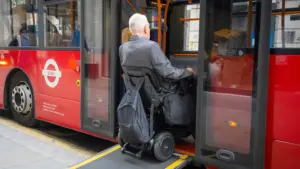

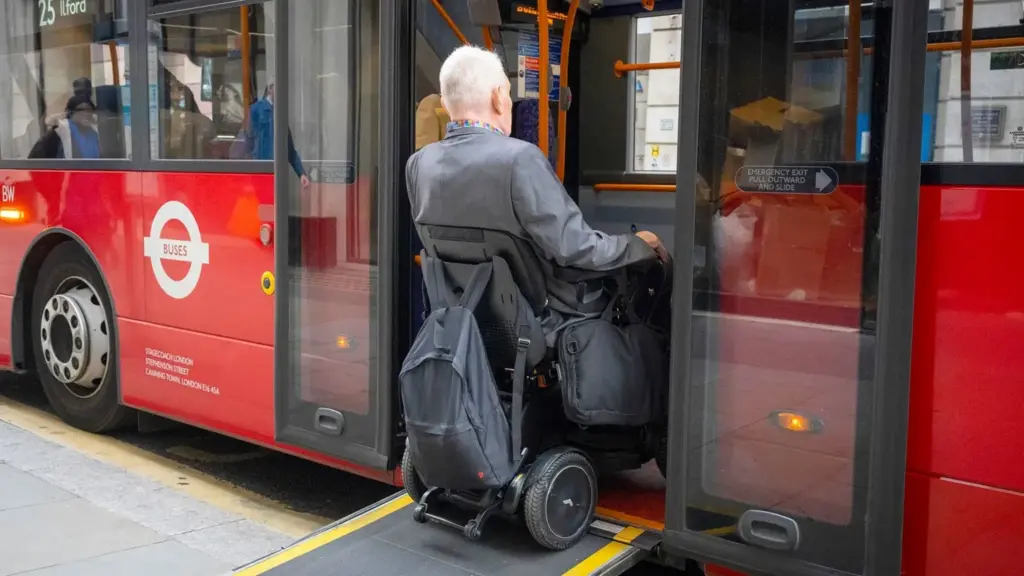
LONDON — Starting April 1, disabled people across England will be able to travel by bus for free at any time of day, marking a major transformation in public transit accessibility.
Previously, free bus passes for eligible disabled residents were strictly restricted to off-peak hours on weekdays, specifically between the hours of 09:30 and 23:00. This long-standing limitation created significant barriers for pass holders trying to commute to standard morning jobs, early appointments, or late-night events. The removal of these time limits will benefit an estimated one million people nationwide, effectively turning the national bus network into a true full-time lifeline for disabled citizens seeking independent mobility and reliable transportation.
The landmark policy follows a successful and widely praised trial conducted within Greater Manchester’s integrated transport system, known as the “Bee Network.” The reform also responds directly to years of persistent campaigning by prominent disability rights organizations, including Scope and Transport for All. Advocates have celebrated the move for eliminating what they long criticized as an unfair “postcode lottery,” a fragmented system where the validity and timing of a disabled pass depended heavily on local council rules and geographical boundaries.

Despite the widespread praise for the shift to 24/7 access, disability organizations emphasize that this reform is only the first step toward true transit equity. Campaigners note that eligibility requirements for concessionary passes still vary significantly across different regions, meaning that broader standardization is urgently needed to ensure that disabled residents receive equal treatment regardless of where they live in England.
To make the program permanent and nationwide, the £60 million scheme is being jointly funded through the Department for Transport and the Department for Work and Pensions. Government officials are framing the sweeping reform as an essential workforce and cost-of-living initiative. The policy joins existing transit support measures, such as the nationwide £2 single-fare cap, and successfully brings England into alignment with similar 24/7 concessionary transit programs that have long been operating successfully in Scotland and Wales.
Global Takeaways: How Other Countries Can Make Accessible Commuting Possible
Making daily commuting accessible and affordable for disabled citizens requires a careful combination of thoughtful policy design, advanced digital systems, and targeted public investment. The UK’s latest transit expansion offers a clear case study in how national policy shifts can alter the daily lives of millions of public transport users.
Why Was the UK Able to Do It?
The ability of the United Kingdom to implement this nationwide change stems from a centralized framework for concessionary travel, combined with active collaboration between national government departments and regional transit authorities. By pooling resources through the Department for Transport and the Department for Work and Pensions, the government secured the £60 million required to subsidize the program permanently. Furthermore, the policy was able to scale rapidly by building upon the operational insights gathered during regional pilot programs, such as the successful trial within Greater Manchester’s “Bee Network.” This localized testing phase allowed transit officials to iron out logistical challenges before rolling out the policy to the entire country.
Does It Depend on Existing Infrastructure?
Yes, heavily. Free transit passes only work if the public transport network is physically and technologically accessible to begin with. Without underlying infrastructure updates, expanding transit hours alone cannot fully serve the disabled community step-for-step. A successful 24/7 free transit policy relies on physical accessibility features, such as low-floor buses equipped with working wheelchair ramps, audible and visual announcement systems for passengers with sensory impairments, and well-maintained boarding stops. Additionally, the broader technological integration of smart ticketing systems and real-time passenger information apps is crucial for ensuring that pass holders can plan their journeys accurately at any hour of the day or night.
What Is Needed to Make Commuting Affordable for People with Disabilities?
Creating a truly equitable commuting environment requires addressing multiple financial, administrative, and systemic barriers at once. First, governments must eliminate restrictive time bands, such as traditional off-peak limits, that penalize workers and students who need to travel during morning and evening rush hours. Second, funding structures must be robustly supported through national budgets to ensure that local transit operators are adequately compensated for carrying concessionary pass holders without reducing service routes. Third, administrative hurdles must be lowered by streamlining eligibility criteria across different administrative regions, removing the frustrating geographic discrepancies that leave many disabled travelers navigating a confusing patchwork of local rules. Finally, ongoing consultation with disability rights organizations and transit advocacy groups remains essential to ensure that policy reforms directly address the real-world challenges faced by public transport users every day.