

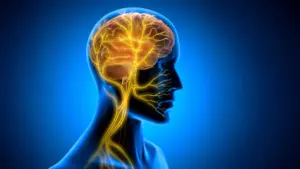









In a significant advancement for neuroscience, a research team led by Professor Nicholas Barnes at the University of Birmingham has identified a promising new pathway to combat neuroinflammation. By targeting a specific receptor known as P2X7, researchers have successfully demonstrated a reduction in harmful brain inflammation within human tissue samples. The findings, published in the journal Brain, offer a beacon of hope for treating a wide spectrum of debilitating neurological and psychiatric conditions, potentially utilizing drugs that are already available.
Neuroinflammation—the chronic, low-grade activation of the brain’s immune system—is increasingly recognized as a common denominator in many of the most challenging disorders facing modern medicine. From the progressive cognitive decline seen in Alzheimer’s and Parkinson’s diseases to the acute trauma of brain injuries and the complex biological underpinnings of depression and psychosis, inflammation is consistently implicated as a driver of cellular damage. Until now, however, effectively modulating this response in humans has remained a significant hurdle.
Blocking a Key Driver of Brain Inflammation
The focus of the University of Birmingham team’s investigation was the P2X7 receptor, a protein that plays a critical role in the brain’s inflammatory signaling cascade. The receptor acts as a sort of "alarm" that, when triggered, prompts the release of cytokines—specialized proteins that regulate the immune system’s inflammatory response. While this mechanism is vital for protecting the brain during acute events, chronic or excessive activation of this pathway is believed to be a primary contributor to the damage observed in various neurological pathologies.
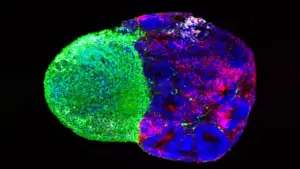
To evaluate the potential of inhibiting this receptor, the research team utilized a sophisticated dual-model approach. They worked with live cultures of human brain cells alongside samples of human brain tissue obtained directly from patients undergoing neurosurgical procedures. This methodology allowed the researchers to observe how human biological systems—rather than just animal models—responded to targeted intervention.
When the researchers introduced a specific antagonist designed to block the P2X7 receptor, the results were striking. The inflammatory response within the human brain tissue samples was significantly dampened, suggesting that the receptor is a potent and viable target for pharmacological intervention. By interrupting the signaling pathway that leads to the release of pro-inflammatory cytokines, the scientists were able to exert a level of control over the immune response that could prove transformative in a clinical setting.
Professor Nicholas Barnes, based at the College of Medicine and Health at the University of Birmingham and the corresponding author of the study, highlighted the clinical significance of these results. "This exciting discovery marks a major step toward repurposing existing therapeutics to combat neuroinflammation at its source," Barnes stated. "The identification of this receptor could have far-reaching implications for some of the most debilitating and widespread brain disorders such as Alzheimer’s Disease, Parkinson’s and Multiple Sclerosis, or inflammation-linked psychiatric conditions like schizophrenia and depression."
Studying the Brain’s Immune Cells
Central to this research was the role of microglia, the brain’s resident immune cells. Microglia are responsible for surveying the environment, coordinating the response to injury, and clearing cellular debris. However, in states of chronic disease, these cells can become "hyper-activated," contributing to a cycle of inflammation that destroys healthy neurons rather than protecting them.
Studying human microglia has historically been one of the most difficult challenges in neurobiology. Once removed from the unique, supportive environment of the human brain, microglia lose their characteristic functional profile, rendering them difficult to study in a laboratory setting. This loss of identity has long hindered the development of new treatments, as drug candidates that show promise in artificial models often fail to replicate those effects in the complex reality of human biology.
To overcome this, the Birmingham team pioneered a novel methodology: converting peripheral monocytes—a type of white blood cell collected from standard blood samples—into microglia-like cells. This technique mimics a cellular transformation that researchers have recently identified as occurring naturally in the human brain as it ages.
This model provided the research team with a scalable, virtually unlimited platform to examine how human microglia react to inflammatory signals with unprecedented precision. By observing these monocyte-derived microglia, the researchers were able to witness the P2X7 receptor in action. When the cells were subjected to stress and became damaged, they released signals that the researchers were then able to intercept using the P2X7 antagonist. This effectively quieted the inflammatory cascade before it could cause widespread damage.
"Studying human microglia has long been a major challenge," Professor Barnes explained. "Once removed from their native brain environment, they rapidly lose their defining characteristics, likely due to the absence of critical regulatory signals. Our approach involved the use of monocyte-derived microglia, which provide a powerful, scalable, and virtually unlimited platform for studying human microglial biology with unprecedented precision."
From Lab Models to Human Brain Tissue
The strength of the study lies in its validation process. After establishing a clear link between P2X7 inhibition and reduced inflammation in their lab-grown microglia-like cells, the team moved to confirm the effect in human brain tissue. This step is critical; it bridges the gap between basic laboratory science and the reality of human neurophysiology.
The fact that the antagonist successfully mitigated inflammation in surgically obtained human brain tissue provides a robust foundation for the next stage of research: clinical translation. While many potential treatments for brain disorders falter because they cannot be easily adapted to the complexities of human patients, the Birmingham study identifies a target that is already pharmacologically addressable. Because P2X7 receptors can be blocked by existing drugs, the path to human trials is significantly shorter than it would be for a completely new, untested compound.
The potential for this research is vast, particularly for conditions that currently lack effective pharmacological treatments to halt or reverse neurodegeneration. For patients suffering from traumatic brain injury (TBI), for instance, the ability to rapidly dampen the secondary inflammatory damage that occurs in the hours and days following an impact could mean the difference between long-term disability and recovery. Similarly, in neurodegenerative diseases like Alzheimer’s, slowing the underlying inflammatory fire could potentially extend the period of cognitive function for patients.
As the team looks toward the future, the development of clinical trials remains the primary goal. Professor Barnes emphasized the urgency of this transition, noting that the successful translation of these findings from the lab bench to human tissue has set the stage for a new phase of inquiry.
"Having identified the response in the human monocyte-derived microglia, this provided the impetus to translate these findings with human brain obtained following neurosurgical procedures," Barnes noted. "This successful translation means the next stage for this research is the development of clinical trials in patients with neurodegenerative conditions and patients with TBI where there are no effective pharmacological treatments to reduce the neuroinflammation and arising damage."
As the scientific community continues to grapple with the complexities of the human brain, this research offers a concrete, evidence-based direction. By focusing on a mechanism that is both a major driver of pathology and a target that is already within the reach of modern medicine, the University of Birmingham team has opened a promising new chapter in the treatment of neurological and psychiatric disease. The focus now shifts to the rigorous demands of clinical testing, where the true impact of this discovery on patient health will be determined.