








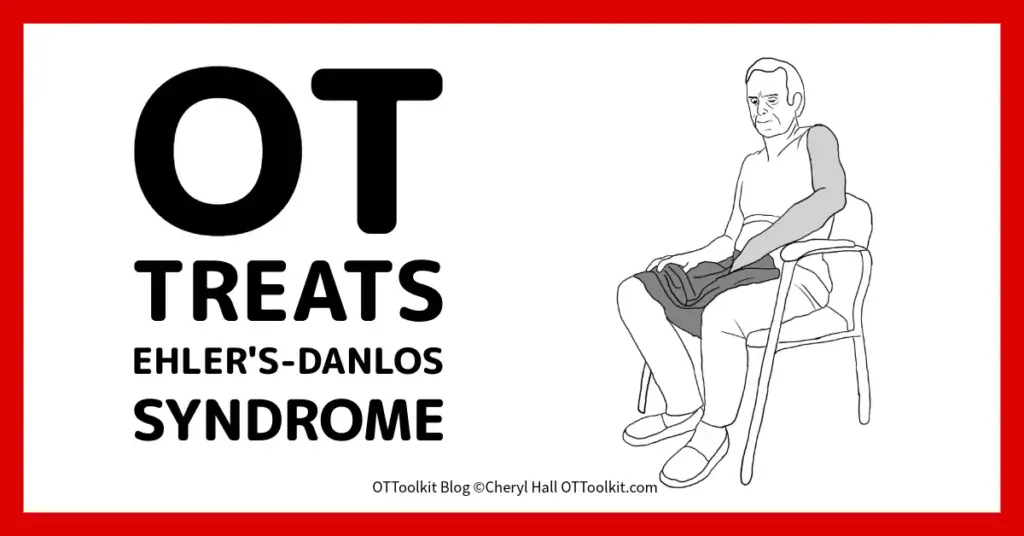
The collaborative spirit of the occupational therapy (OT) community recently spurred a significant development for practitioners who rely on the Occupational Therapy Toolkit. Following a thoughtful inquiry from an occupational therapist based in Tennessee, a new focus has been placed on the inclusion of Ehlers-Danlos Syndrome (EDS) within professional resource materials. The therapist reached out after a patient, who is currently navigating the complexities of an EDS diagnosis, noted the absence of a dedicated treatment guide for the condition within the established Toolkit framework. This feedback serves as a reminder of the vital role that patient advocacy and practitioner communication play in the evolution of clinical resources.
While EDS is categorized as a rare condition—one that many clinicians may not encounter frequently throughout their careers—the request highlighted a growing need for specialized guidance. Recognizing that occupational therapy interventions are instrumental in easing symptoms, fostering independence, and significantly improving the daily quality of life for those with connective tissue disorders, the decision has been made to incorporate EDS as a formal treatment guide in the forthcoming edition of the Occupational Therapy Toolkit. Given that the 8th edition of the resource was released as recently as 2024, the immediate focus is to provide practitioners with an in-depth look at the clinical intersection of EDS and occupational therapy, bridging the gap until the next publication cycle.
To understand the necessity of this intervention, it is essential to define the clinical landscape of the condition. Ehlers-Danlos Syndrome is not a single disease but rather a group of connective tissue disorders that fundamentally impact how the body synthesizes and utilizes collagen. Collagen is the structural protein that provides strength and elasticity to skin, tendons, ligaments, blood vessels, and internal organs. When this synthesis is disrupted, the physiological consequences are widespread. Currently, researchers have identified 13 distinct types of EDS, each linked to specific genetic causes and presenting with varying clinical profiles.
The primary hallmark of the syndrome is joint hypermobility, characterized by joints that move beyond the typical range of motion. This hypermobility often leads to chronic joint instability and persistent pain. Beyond the musculoskeletal system, patients frequently contend with skin that is abnormally fragile, prone to easy bruising, tearing, or hyperextension. Furthermore, the systemic nature of the disorder often results in secondary symptoms that complicate daily functioning, such as profound fatigue, dizziness—often associated with postural changes—and a range of digestive concerns. Because these symptoms are multisystemic, the role of an occupational therapist is uniquely positioned to address the functional impacts of the disorder through a holistic lens.
Occupational therapy for patients with EDS centers on a multi-faceted approach, beginning with the critical area of joint protection. Because hypermobility places patients at constant risk of subluxation and chronic pain, OTs play a vital role in modifying daily tasks to minimize hyperextension. This involves educating patients on safe movement patterns and the biomechanics of their own bodies. When necessary, therapists design and fit custom splints to provide external stability to vulnerable joints, allowing patients to perform activities of daily living (ADLs) with a reduced risk of injury.
Closely related to joint protection is the strategy of energy conservation. For many individuals with EDS, fatigue is not merely a sign of tiredness but a chronic, debilitating state that can hinder the ability to participate in work or social life. Occupational therapists collaborate with patients to develop sophisticated pacing and planning strategies, ensuring that physical energy is distributed throughout the day in a way that prevents exhaustion. By re-evaluating the physical demands of tasks and implementing smart modifications, therapists can help patients regain a sense of control over their energy levels.
The integration of adaptive equipment is another pillar of care. Beyond the stabilization provided by splints, therapists assess the home and community environments to identify hazards that could lead to falls. This might include recommending assistive devices that improve mobility, balance, and environmental accessibility. In parallel, ergonomic assessments—whether in a workplace, school, or home office—are vital. By tailoring these environments to the specific needs of an EDS patient, therapists can suggest software or hardware that eliminates repetitive movements, thereby reducing the stress placed on sensitive joints during work-related activities.
A particularly nuanced aspect of OT intervention for EDS is the focus on proprioception. Because hypermobility affects the body’s ability to receive feedback from the joints and muscles, many patients struggle to sense their exact position, movement, or location in space. This deficit can lead to clumsiness or accidental injury. To address this, occupational therapists utilize targeted, low-impact therapeutic exercises designed to enhance proprioceptive awareness, which in turn acts as a protective mechanism for joint health by improving stability and spatial orientation.
It is also critical to acknowledge that EDS patients often face a complex array of co-occurring symptoms that impact their mental and physical well-being. Sleep disturbances, chronic migraines, mental health challenges, gastrointestinal issues, and various autoimmune manifestations frequently overlap with the primary diagnosis. Occupational therapists provide an essential bridge in managing these conditions by offering strategies that address the secondary functional impacts, helping patients maintain their independence even when dealing with systemic health flares.
While a dedicated EDS treatment guide is currently in development for the Occupational Therapy Toolkit, the existing body of material already serves as a robust resource for practitioners supporting these patients. The current edition provides a wide array of existing treatment guides, ADL and mobility handouts, educational materials, and therapeutic exercise protocols that can be adapted to meet the specific requirements of the EDS population. Clinicians are encouraged to leverage these existing resources to support their patients while the specific EDS module is being finalized.
For professionals seeking to deepen their clinical understanding, The Ehlers-Danlos Society stands as a primary resource. Their platform offers extensive information for healthcare providers, including continuing education opportunities, current research findings, and a directory of medical professionals who possess specialized expertise in the management of these complex connective tissue disorders. Engaging with these resources can help ensure that occupational therapists are equipped with the most up-to-date evidence-based practices.
The development of new clinical resources is rarely a solitary endeavor. It thrives on the feedback and lived experiences of the professionals on the front lines of patient care. The request from the therapist in Tennessee highlights the importance of open communication within the field. By sharing observations and identifying gaps in current literature, clinicians help ensure that resources like the Occupational Therapy Toolkit remain relevant and effective. Those who have further suggestions for the evolution of these materials are encouraged to continue this dialogue, as such contributions remain a cornerstone of the professional growth of the OT community.