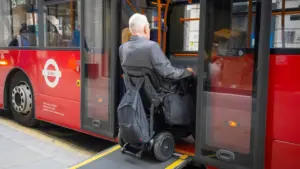







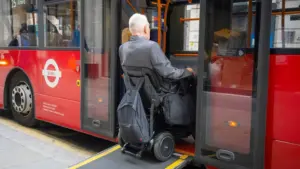

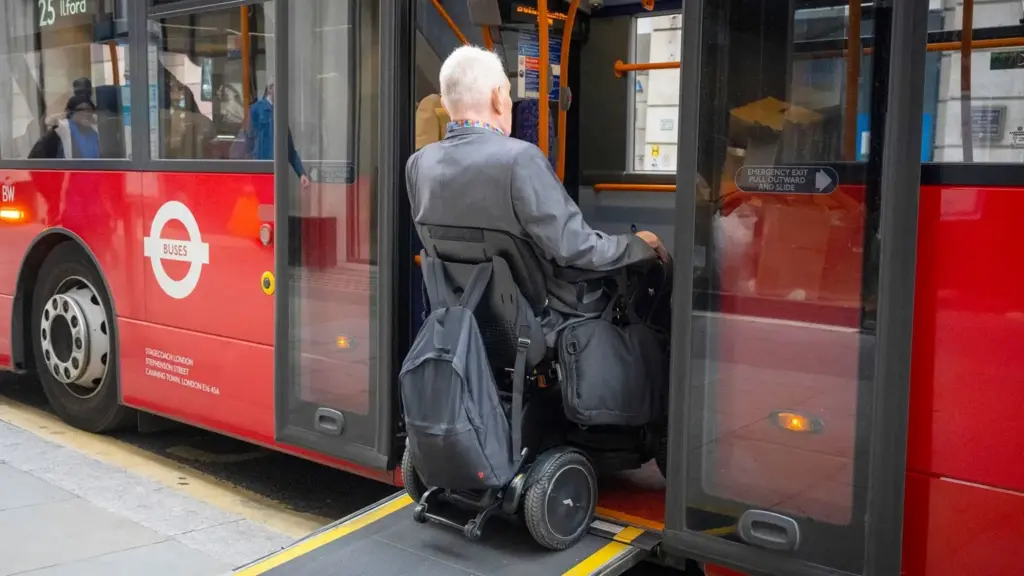
Starting April 1, disabled people across England will be able to travel by bus for free at any time of day, marking a major transformation in national public transit policy. Previously, the use of free concessionary bus passes was strictly restricted to off-peak hours on weekdays—specifically between 09:30 and 23:00. These historical limitations created substantial barriers for pass holders trying to commute to standard morning jobs, arrive at early appointments, or attend late-night events, effectively shutting them out of the standard rhythm of daily economic and social life.
The complete removal of these time limits will benefit an estimated one million people nationwide, instantly turning regional bus networks into a true full-time lifeline. By dismantling the temporal barriers that previously dictated when disabled citizens could move freely, the policy shift promises to open up new opportunities for employment, education, and socialization. Commuters who previously had to pay full fare for morning peak travel or wait hours after a morning shift will now enjoy the same flexibility as any other full-time worker utilizing public infrastructure.
The nationwide reform follows a highly successful trial period within Greater Manchester’s integrated “Bee Network,” where local leaders tested the removal of peak-hour restrictions and demonstrated the profound social and economic benefits of 24/7 accessible transit. The policy change also responds directly to years of relentless campaigning by prominent disability rights organizations, including Scope and Transport for All. Advocates have widely celebrated the government’s move, praising it for eliminating an unfair "postcode lottery" where pass validity, operating hours, and local concessions previously depended entirely on fragmented municipal rules and regional funding decisions.
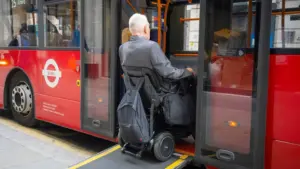
Despite the widespread celebration, disability organizations emphasize that this reform is only the first critical step toward true transit equity. Campaigners note that eligibility requirements across various local authorities still need broader standardization to ensure that a disabled citizen qualifying for a pass in one region receives the same rights and access seamlessly when traveling across county lines.
To make the program permanent and financially viable for local transit operators, the £60 million scheme is being jointly funded through the Department for Transport and the Department for Work and Pensions. Government officials are framing the reform as an essential workforce and cost-of-living initiative. This investment joins existing transit measures designed to ease financial pressures on the public, such as the nationwide £2 single-fare cap. Furthermore, the overhaul finally brings England in line with similar 24/7 concessionary transit programs that have been successfully operating in Scotland and Wales for years, closing a glaring regional disparity within the United Kingdom.
Global Takeaways: How Other Countries Can Make Accessible Commuting Possible
Making daily commuting accessible and affordable for disabled citizens requires a careful combination of deliberate policy design, advanced digital systems, and targeted public investment. The UK’s latest policy shift offers a clear blueprint for how national governments can leverage existing public frameworks to enhance equity, but it also underscores the deep structural requirements needed to make such a vision a reality.
Why Was the UK Able to Do It?
The ability of the United Kingdom to implement a nationwide overhaul of this scale stems from an established institutional framework governing concessionary travel. Because a foundational statutory bus pass scheme already existed across England, policymakers did not have to build a system from scratch. Instead, they were able to expand an existing administrative and financial mechanism by injecting targeted central government funding—specifically the £60 million allocated jointly by the Department for Transport and the Department for Work and Pensions. Furthermore, the policy was able to draw momentum from localized pilot programs, such as Greater Manchester’s "Bee Network," which provided real-world data proving that removing time restrictions was operationally feasible and economically sustainable. Sustained pressure from organized civil society and disability advocacy groups like Scope and Transport for All also kept the issue at the forefront of the national political agenda, ensuring that policymakers treated accessible transport as a fundamental workforce and economic priority rather than a secondary welfare concern.
Does It Depend on Existing Infrastructure?
Yes, heavily. Free transit passes only truly work if the public transport network is physically and technologically accessible to begin with. Without underlying infrastructure upgrades, lifting time restrictions on a pass is of limited use to travelers who cannot physically board a vehicle or navigate a transit hub. Making a 24/7 concessionary scheme effective requires continuous investment in bus fleet modernization, ensuring that vehicles are equipped with low-floor access, functional ramp systems, and wheelchair spaces. Additionally, digital infrastructure plays a vital role. Modern transit systems depend on real-time tracking, reliable audio-visual announcement systems at stops and on board vehicles, and standardized smartcard or ticketing technologies that allow pass holders to travel seamlessly across municipal boundaries without facing technical friction or confusing local variations. Without these physical and digital pillars, policy reforms risk remaining theoretical for significant segments of the disabled community.
What Is Needed to Make Commuting Affordable for People with Disabilities?
Achieving genuine affordability and mobility for disabled commuters demands a comprehensive approach that extends far beyond simply waiving ticket prices. First, governments must eliminate regional disparities and postcodes lotteries by establishing uniform national eligibility criteria, ensuring that transit rights do not abruptly change when a traveler crosses a municipal border. Second, funding models must be structured to compensate transit operators adequately for the influx of full-time, round-the-clock passengers, preventing local authorities from absorbing unsustainable financial burdens that could lead to service cuts. Third, integration must be prioritized across different modes of transport, linking buses with trains, light rail, and accessible active travel networks to create a holistic journey experience. Finally, ongoing consultation with disability organizations and pass holders is essential to identify emerging bottlenecks, refine digital booking or boarding systems, and ensure that public funds are continuously directed toward the most pressing barriers facing everyday commuters.