
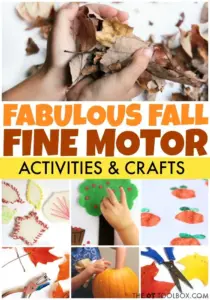







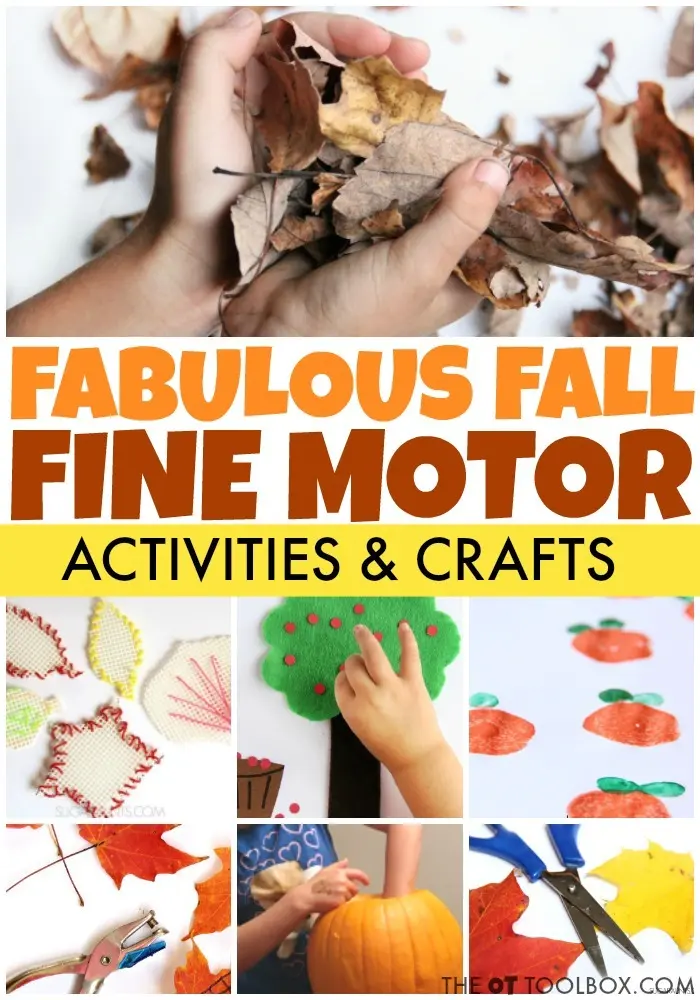
As the autumn air turns crisp, leaves change color, and pumpkin spice flavors fill the season, pediatric occupational therapists and educators are leaning into seasonal themes to support children’s developmental needs. Rather than choosing fall activities merely for their festive appeal, professionals are utilizing apples, leaves, pumpkins, acorns, and farm themes to strategically target specific fine motor skills.
A comprehensive guide from The OT Toolbox highlights how seasonal materials can be integrated into therapy sessions and playtime to address foundational developmental areas. These include hand strength, finger dexterity, scissor skills, visual-motor integration, and handwriting. Because many seasonal projects naturally overlap several developmental domains, therapists can easily adapt them to match an individual child’s specific treatment plan.
The shift toward seasonal learning comes at a time when educators and parents frequently seek fresh, engaging ways to keep children motivated. By incorporating everyday fall items into therapeutic exercises, adults can help children build the physical endurance and precision required for daily tasks—such as manipulating clothing fasteners, opening containers, and holding pencils correctly—without making the exercises feel like traditional work.

Targeting Hand Strength Through Seasonal Play
Hand strength is a fundamental prerequisite for many academic and self-care tasks, yet children frequently exhibit weakness in the small muscles of the hands and fingers. Therapists have introduced several creative autumn-themed interventions to combat this issue by providing natural resistance.
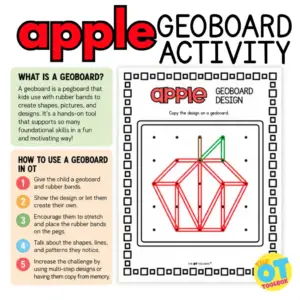
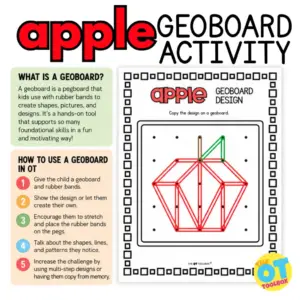
One such tool is the apple geoboard, featured in professional membership resources. By stretching rubber bands across the pegs of a geoboard to recreate specific apple designs, children experience tactile resistance that engages finger and hand strength. The activity also demands bilateral coordination, visual-motor skills, and motor planning as youngsters carefully position and release the bands. Therapists can easily adjust the difficulty by swapping in thicker, more resistant bands or by simplifying the visual patterns.
Similarly, play dough remains a staple of pediatric therapy regardless of the season, but fall variations offer unique sensory and physical benefits. Rolling, squeezing, pinching, and pressing tactile dough provides proprioceptive sensory feedback while exercising the small muscles responsible for arch development, wrist stability, and pincer or tripod grasps. Practitioners often hide mini leaves, fall-themed erasers, or colored beads inside the dough, or utilize printable shape cards to encourage targeted hand movements.
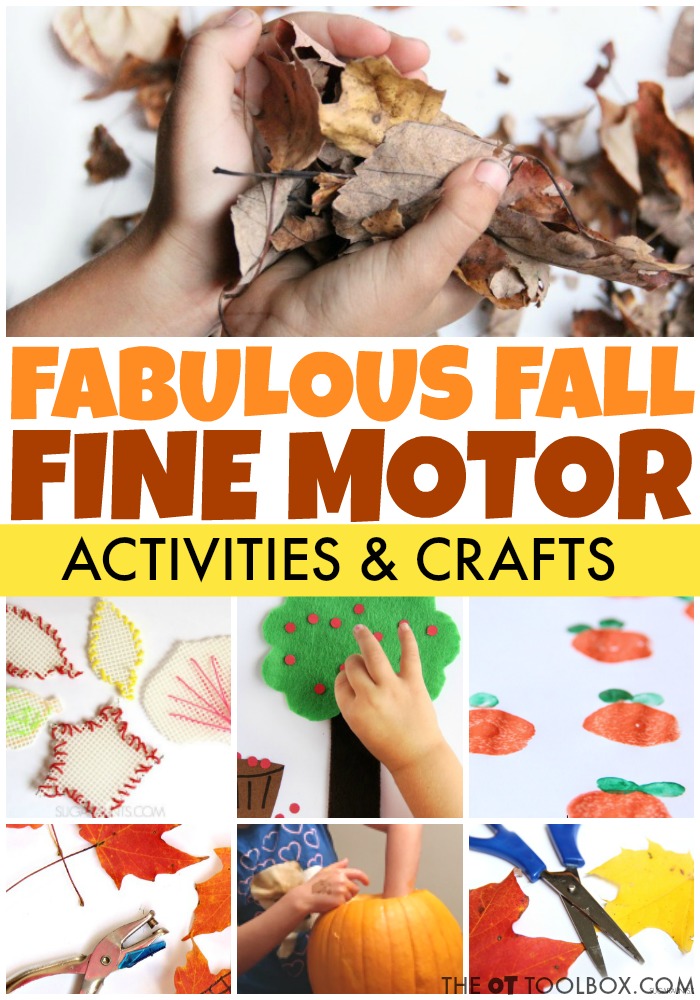
Hole-punching activities represent another effective strategy for building hand strength. By operating a hole punch around the printed outline of an apple or a real autumn leaf, children employ sustained hand force. The precision required to position the punch along an edge adds an essential visual-motor component, while the resulting leaf confetti can be gathered to practice a refined pincer grasp.
Enhancing Dexterity and Precision
Manual dexterity involves using the fingers efficiently for small, precise movements, relying on a combination of speed, precision, visual-motor coordination, and strength. When these components break down, children often struggle with fine motor execution.
Autumn-themed manipulatives—including craft pom-poms, seeds, small erasers, paper clips, and seasonal craft materials—transform basic tasks into targeted dexterity exercises. For instance, the fall tree geoboard uses rubber bands to challenge children to use their fingertips rather than their whole hands to grasp, stretch, and reposition materials.
Paper clip activities, such as attaching numerical markers to apple-themed counting cards, offer an on-the-go method for addressing bilateral hand stabilization and fingertip precision. One hand must stabilize the card while the other opens and positions the paper clip, reinforcing both number concepts and eye-hand coordination. Additionally, transferring fall-colored pom-poms into ice cube trays or muffin tins using tongs or tweezers allows therapists to dynamically adjust the required level of precision by changing tool types or item sizes.
Scissor Skills and Cut-and-Paste Mechanics
Scissor skills require complex coordination between both hands, with the cutting hand opening and closing the shears while the helper hand stabilizes, rotates, and guides the paper. Fall-themed cutting practice pages provide structured visual paths that help children learn to control their scissors along designated lines.
When live foliage is available, children can cut real fall leaves into small pieces or snip them along drawn lines, combining sensory exploration with cutting practice. In areas without natural seasonal changes, paper leaves serve as a reliable substitute.
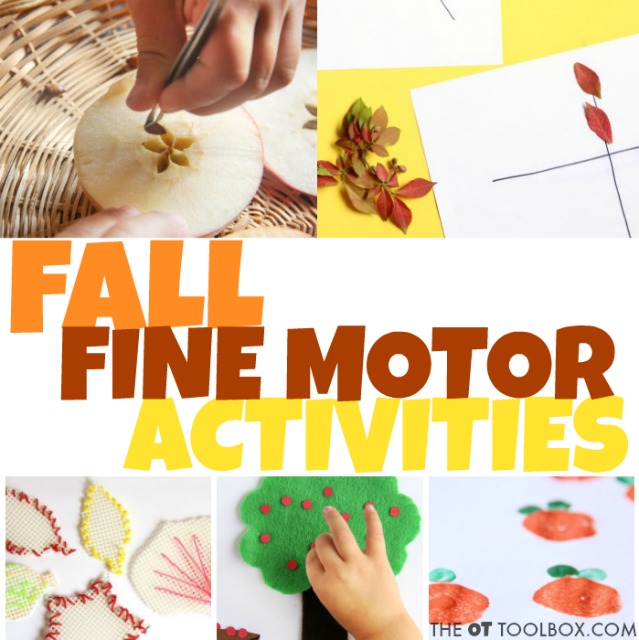
Beyond simple cutting, farm-themed cut-and-paste crafts elevate the cognitive and motor demands of a task. Children must cut out individual components, visually determine where they belong, orient them correctly, follow a sequential assembly plan, and glue them into position. This multi-step process successfully addresses scissor skills alongside bilateral coordination, visual-spatial awareness, and executive functioning.
Integrating Visual-Motor and Handwriting Skills
A child may possess adequate hand strength and finger dexterity yet still encounter difficulties when a task requires them to copy a design, follow a line, or coordinate visual input with hand movement. Fall-themed directed drawing exercises help bridge this gap by asking children to reproduce shapes like acorns, pumpkins, and leaves, paying close attention to where lines begin and end.
Pattern block designs combine fine motor manipulation with visual discrimination and spatial awareness, requiring children to select the correct geometric pieces and position them in relation to one another. Meanwhile, seasonal "I Spy" pages promote visual scanning, figure-ground perception, and sustained visual attention. Therapists often enhance these pages by adding a fine motor element, prompting children to circle found items, cover them with small manipulatives, or attach clothespins to corresponding pictures.
For writing development, seasonal writing prompts offer a meaningful context for practicing handwriting components such as line awareness, spacing, letter size, formation, and writing endurance. Rather than practicing isolated letters, emerging writers can formulate a single fall word, beginning writers can construct a sentence, and older students can plan and compose entire paragraphs using the same thematic prompt set.
No-prep options found directly in the yard or home—such as tearing and crumpling leaves, sorting acorns with tongs, or attaching clothespins to a cardboard tree—provide accessible avenues for ongoing development. By capitalizing on the natural appeal of the autumn season, professionals and families alike continue to find innovative ways to prepare children for the essential physical tasks of daily life.