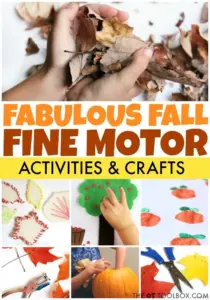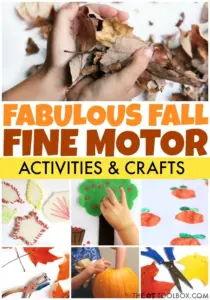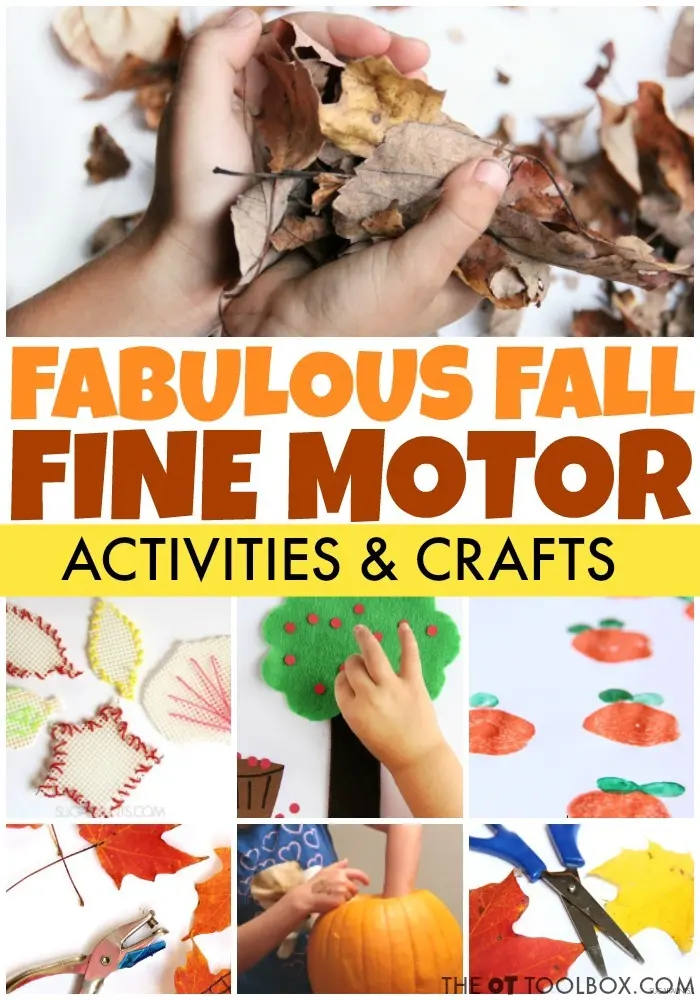
As the crisp autumn air arrives, bringing changing leaves, pumpkin spice, and harvest themes, pediatric occupational therapists and educators are leaning into seasonal materials to support childhood development. Rather than choosing fall activities simply for their festive appeal, professionals are utilizing apples, leaves, pumpkins, acorns, and farm themes to deliberately target specific fine motor needs in children, ranging from hand strength to advanced dexterity.
Experts emphasize that seasonal learning tools can effectively address core developmental areas, including hand strength, finger dexterity, scissor skills, visual-motor integration, and handwriting. Many hands-on autumn projects naturally overlap across multiple skill sets, allowing therapists and educators to adapt exercises dynamically based on an individual child’s developmental goals.
Integrating Seasonal Sensory and Motor Experiences
The transition into autumn provides a natural backdrop for play-based therapy. Incorporating familiar fall elements into daily routines encourages children to practice foundational movements without the perception of formal work. Free resources, such as specialized seasonal sensory booklets, help families and practitioners bridge the gap between sensory engagement and motor development, encouraging both fine and gross motor movements through themed exploration.

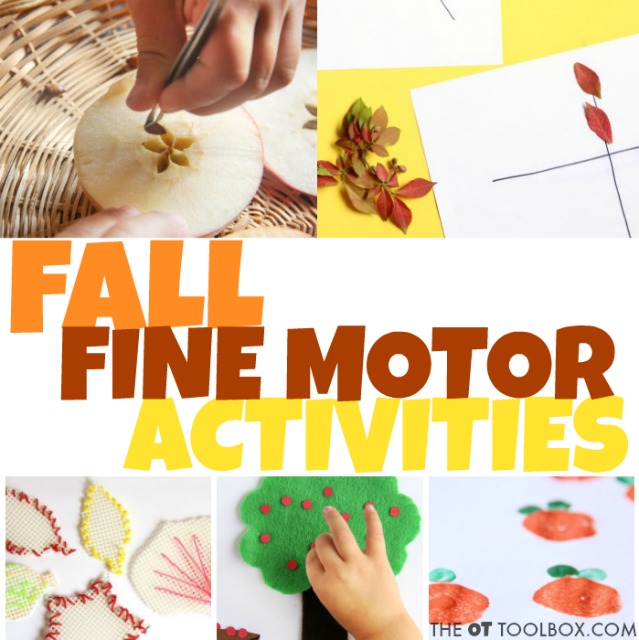
Beyond basic play, structured occupational therapy interventions utilize specific fall-themed materials to target precise physiological needs. For instance, apple geoboards require children to stretch rubber bands across pegs, creating resistance that strengthens the fingers and hands while demanding precision and controlled release. This activity simultaneously supports bilateral coordination, visual-motor skills, and motor planning, with therapists easily adjusting the difficulty by swapping in thicker, more resistant bands or simplifying visual patterns.
Similarly, play dough remains a staple of pediatric therapy regardless of the season. Rolling, squeezing, pinching, and pressing autumn-colored dough provides essential proprioceptive sensory feedback while exercising the small intrinsic muscles of the hands. Therapists frequently enhance the exercise by hiding mini leaves, seasonal erasers, or beads within the dough, or by pairing the tactile medium with printable shape cards to promote arch development, wrist stability, and pincer grasps.
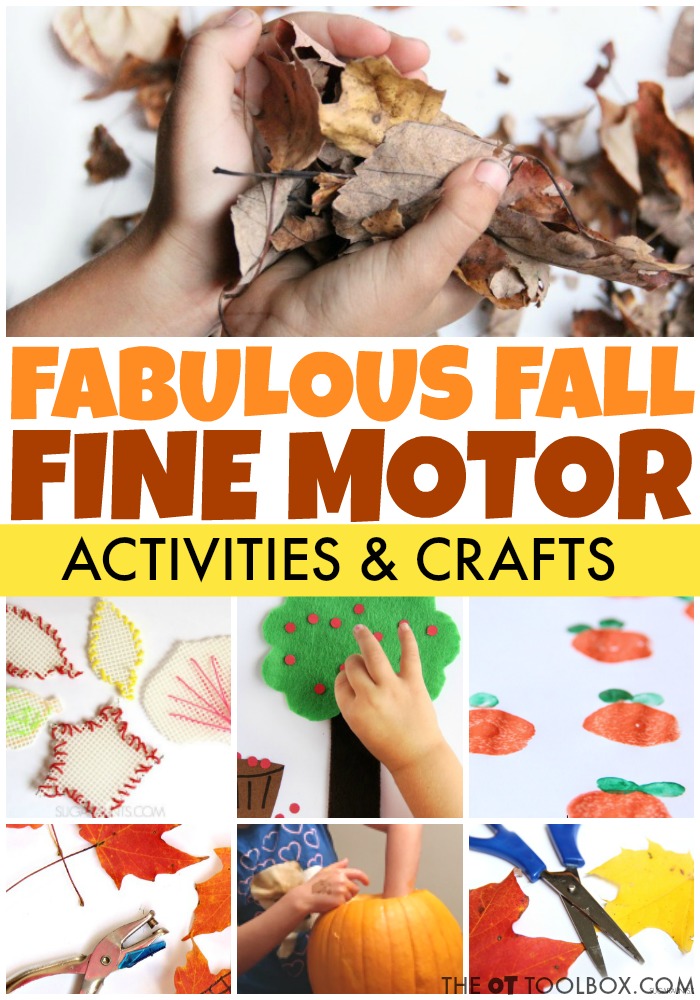
Enhancing Manual Dexterity and Precision
Manual dexterity—the ability to use the fingers efficiently for small, precise movements—relies on a complex combination of speed, precision, visual-motor integration, and strength. When these components falter, children often struggle with everyday tasks. To combat this, practitioners frequently introduce seasonal manipulatives like craft pom-poms, seeds, mini erasers, paper clips, and small craft materials to transform standard play into targeted finger manipulation exercises.
For example, fall tree geoboards encourage children to manipulate rubber bands around individual pegs, requiring them to use their fingertips rather than their whole hands to grasp, stretch, reposition, and release the bands with control. In another common activity, apple counting cards paired with paper clips require precise fingertip movements and bilateral hand stabilization, reinforcing number concepts alongside eye-hand coordination. Additionally, transferring fall-colored pom-poms using tongs or tweezers into ice cube trays or muffin tins provides a scalable challenge that adapts easily to different developmental stages.
Developing Scissor Skills and Visual-Motor Integration
Cutting tasks present unique neurological and physical demands, requiring the dominant hand and the stabilizing hand to perform entirely different actions simultaneously. One hand must continuously open and close the scissors while the helper hand stabilizes and rotates the paper along a visual path. Fall-themed cutting practice pages and farm-based cut-and-paste crafts challenge children to cut out specific shapes, visually determine where pieces belong, orient them correctly, follow an assembly sequence, and glue them into position.
Beyond printed materials, real or paper fall leaves offer a natural medium for scissor practice. Children can snip leaves into small pieces, cut around edges, or practice line awareness by following drawn paths. These tasks not only build hand strength but also provide valuable sensory feedback, such as the satisfying crunch of dried foliage, which engages auditory processing alongside bilateral coordination and crossing the midline.
Visual-motor challenges often persist even when a child possesses adequate hand strength and dexterity. Tasks that require copying a design, following a line, locating a target, or coordinating visual input with hand movement can be particularly demanding. Fall-themed directed drawing activities, pattern blocks, and seek-and-find puzzles address these hurdles by requiring children to analyze spatial relationships, practice visual scanning, and sustain attention over time. Therapists frequently modify these tasks using physical cues, such as cut-out viewing frames, to help children isolate specific visual targets.
Meaningful Handwriting Practice Through Seasonal Prompts
Handwriting development benefits significantly from contextual application rather than isolated drills. Educators and occupational therapists utilize themed writing prompts to help children practice essential components such as line awareness, spacing, letter size, formation, and writing endurance within a meaningful narrative framework.
A single set of seasonal writing prompts can be adapted across an entire developmental spectrum. Emerging writers might focus on recording a single fall-related word, while beginning writers construct complete sentences. Developing writers respond to short thematic prompts, and older students plan and execute multi-sentence paragraphs, allowing practitioners to meet diverse caseload needs using cohesive materials.
No-prep seasonal items found outdoors or around the home further expand therapeutic opportunities without requiring extensive planning. Yard leaves can be torn, crumpled, punched, cut, sorted, or strung onto yarn. Acorns and pumpkin seeds offer natural objects for counting, sorting, and transferring with tongs, while everyday items like plastic bread ties and clothespins provide accessible tools for strengthening pincer grasps and bilateral manipulation.
As educators and therapists continue planning autumn sessions, ready-to-use professional resources remain widely available through specialized memberships, offering targeted activities designed to support foundational motor skills throughout the season and beyond.