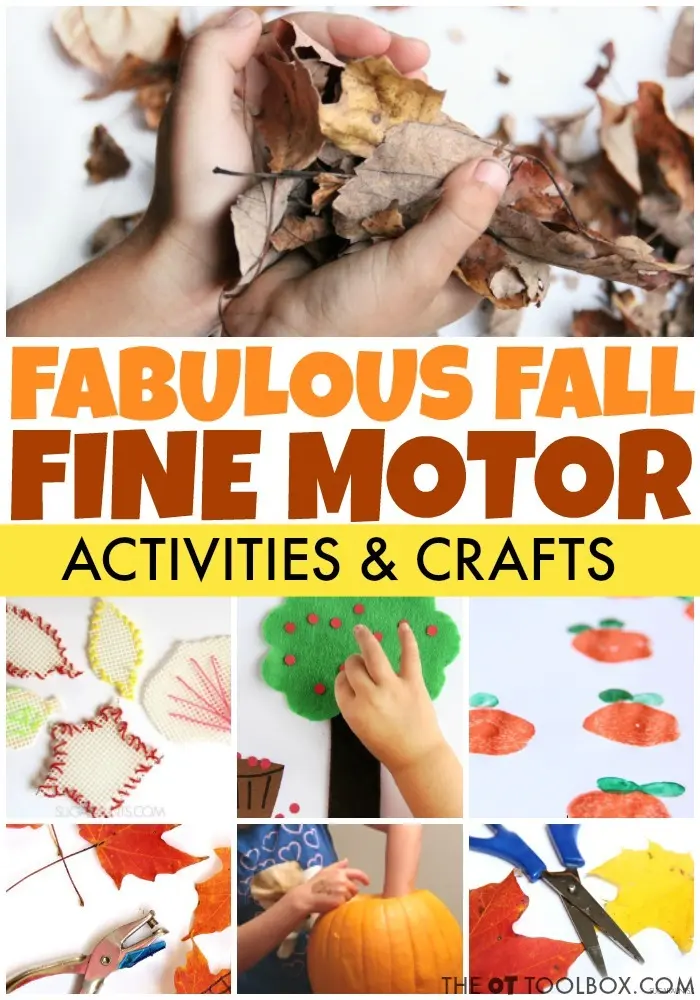
As the crisp autumn air settles in and the landscape transforms with vibrant hues of red, orange, and gold, educators, parents, and occupational therapists are turning to seasonal themes to engage children in developmental learning. Fall-themed materials—ranging from apples and pumpkins to crisp leaves and autumn acorns—provide a natural, highly engaging backdrop for targeted motor skill interventions. Rather than selecting seasonal activities purely for festive entertainment, professionals are increasingly utilizing autumn-inspired tasks to address specific fine motor needs, hand strength, and visual-motor integration.
Seasonal motifs make it remarkably easy to integrate skill-building exercises into daily routines or therapeutic sessions. However, experts emphasize that intentional selection is key. By pairing familiar fall objects with specific developmental targets, therapists can support hand strength, finger dexterity, scissor proficiency, visual-motor skills, and handwriting without making the exercises feel like clinical work.
Fall Hand Strength Activities
Hand strength is a fundamental prerequisite for countless daily tasks, ranging from fastening buttons and tying shoes to manipulating writing utensils. Weakness in the intrinsic muscles of the hand can often lead to early fatigue and poor pencil control. To combat this, therapists utilize resistive materials and specialized tools that provide tactile and proprioceptive feedback while naturally building muscle power.
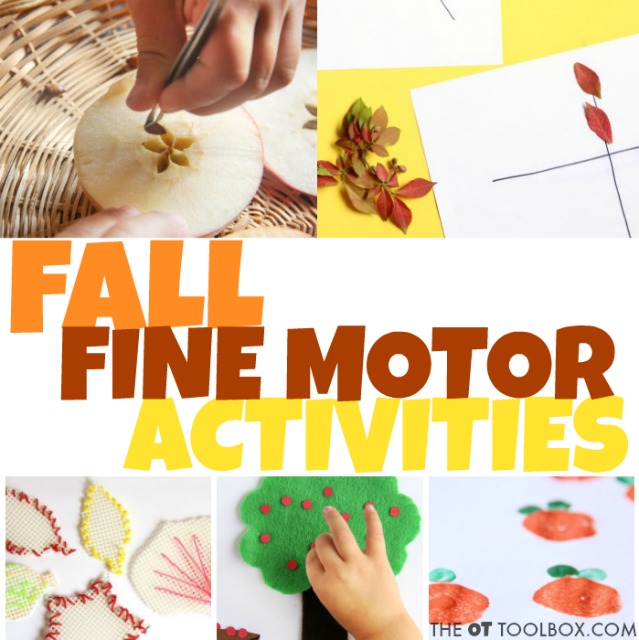
One popular approach involves apple geoboards, where children stretch rubber bands across pegs to recreate specific fruit designs. The physical act of pulling and positioning the bands offers resistance to the fingers and hands while simultaneously demanding precision and controlled release. Therapists can easily adjust the difficulty by swapping in thicker, more resistant bands or simplifying designs for younger participants.
Play dough remains a cornerstone of pediatric occupational therapy, regardless of the season. Infusing a fall theme into play dough exercises allows children to engage in rolling, squeezing, pinching, and pressing. These actions provide varied resistance to the small muscles of the hand, functioning as disguised finger and grip strength exercises. Hiding small items such as miniature leaves, seasonal erasers, or autumnal beads inside the dough adds a tactile and proprioceptive sensory challenge that encourages active manipulation.
Hole-punching activities offer another effective avenue for building gross hand force. By printing or drawing an apple shape and having a child punch holes along the outer edge, therapists can target sustained hand strength. Simultaneously, the visual-motor demand of tracking and positioning the punch along a specific boundary engages hand-eye coordination.
Fall Dexterity and Manipulation Activities
Manual dexterity relies on the efficient, coordinated movement of the fingers for small, precise tasks. When dexterity breaks down, children often struggle with speed, precision, and the intricate finger movements required for advanced fine motor milestones. Fall-themed manipulatives—including craft pom-poms, seeds, mini erasers, paper clips, and small craft supplies—frequently serve as versatile tools to address these precise movements.
Fall tree geoboards, for instance, require children to use their fingertips rather than their whole hands to grasp, stretch, reposition, and release rubber bands around individual pegs. This targeted fingertip precision fosters greater coordination and control. Similarly, apple-themed paper clip counting exercises challenge children to attach specific numbers of paper clips to laminated cards. Opening and positioning the paper clips requires refined fingertip movements and often encourages bilateral hand use, with one hand stabilizing the card while the other manipulates the clip.
Transfer activities using fall-colored pom-poms provide another flexible intervention. By utilizing tongs or tweezers to move pom-poms into ice cube trays or muffin tins, children practice precision and control. Therapists can easily modify the difficulty by altering the size of the pom-poms or changing the grabbing tools to match the child’s developmental level.
Scissor Skills and Cut-and-Paste Crafts
Scissor proficiency requires sophisticated bilateral coordination, as the cutting hand and the helper hand must perform entirely different tasks simultaneously. While one hand rhythmically opens and closes the scissors, the stabilizing hand must rotate and guide the paper along a visual path.
Apple cutting practice pages offer structured opportunities for children to practice cutting along specific lines and maintaining control. Beyond standard paper strips, therapists often incorporate real autumn leaves when foliage is available. Children enjoy snipping leaves into small pieces or cutting them into shapes, which not only builds scissor mechanics but also introduces a rich sensory element.
Cut-and-paste crafts expand these demands further by incorporating executive functioning and visual-spatial skills. Farm-themed cut-and-paste activities require a child to cut out components, visually determine where they belong, orient them correctly, follow a multi-step assembly sequence, and apply glue precisely. This combination addresses scissor skills, sequencing, and direction-following in a single cohesive project.
Visual-Motor Integration in Autumn Tasks
Adequate hand strength and dexterity alone are not always sufficient for academic and functional tasks. Many children experience difficulties when a project requires them to copy a visual design, follow a continuous line, locate a target amidst a busy background, or coordinate visual input with hand movement.
Fall-directed drawing activities help bridge this gap by asking children to reproduce seasonal shapes such as acorns, leaves, and pumpkins. By observing a model, determining where lines begin and end, and managing spatial relationships on paper, children strengthen their visual-motor integration.
Similar benefits emerge from the use of fall pattern blocks and seek-and-find or "I Spy" pages. Pattern blocks combine fine motor manipulation with visual discrimination and spatial awareness as children select the correct pieces and position them relative to one another. Meanwhile, seek-and-find sheets encourage visual scanning, figure-ground perception, and sustained visual attention. Therapists often enhance these visual tasks by adding a fine motor component, such as having the child circle found items, cover them with small manipulatives, or mark them using clothespins.
Handwriting and No-Prep Seasonal Strategies
Handwriting tasks integrated into seasonal themes allow children to practice mechanics within a meaningful context rather than drilling isolated letters. Printable fall writing prompts cater to a wide developmental range within a single classroom or therapy group. Emerging writers can practice single fall vocabulary words, beginning writers can construct individual sentences, developing writers can respond to prompts, and older students can plan and write full paragraphs focusing on spacing, line awareness, letter size, and endurance.
For educators and therapists seeking accessible interventions without extensive preparation, everyday natural and household items offer immediate utility. Fallen leaves can be torn, crumpled, punched, cut, sorted, or strung. Acorns and pinecones can be picked up with tongs, sorted, counted, or transferred. Common household items like clothespins and plastic bread ties can be repurposed to attach "leaves" to cardboard trees or manipulated to strengthen intrinsic hand muscles.
Ultimately, integrating seasonal themes into pediatric settings provides a practical framework for addressing fundamental developmental milestones. By transforming everyday autumn elements into purposeful interventions, professionals can support children in acquiring the essential motor skills necessary for lifelong academic and functional independence.