






By Michelle Diament | October 16, 2026
For many families navigating the complexities of autism spectrum disorder, the search for effective, engaging, and holistic interventions is constant. While traditional clinical therapies—such as speech, occupational, and behavioral therapy—remain the gold standard for treatment, a growing body of evidence is pointing toward the potential benefits of animal-assisted activities. A new study, published this month in the journal Pediatrics, suggests that spending time with horses, and specifically participating in therapeutic riding programs, can yield measurable improvements in hyperactivity, emotional regulation, and social communication for children on the autism spectrum.
The study, which examined 236 children between the ages of 6 and 16, adds significant weight to the argument that non-traditional interventions can play a vital role in a comprehensive care plan. By focusing on the interplay between children and horses, researchers sought to quantify the anecdotal successes that many parents and therapeutic centers have reported for years.

A Structured Approach to Equine Interaction
The research design was robust, categorizing participants into distinct groups to isolate the specific impact of horseback riding versus simple proximity to horses. All participants in the study were diagnosed with autism and presented with co-occurring psychiatric conditions, a common profile that can often make standardized classroom or clinical environments challenging for these youth.
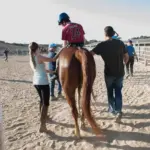
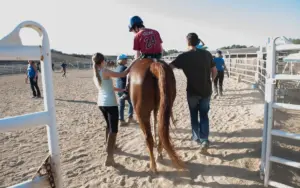
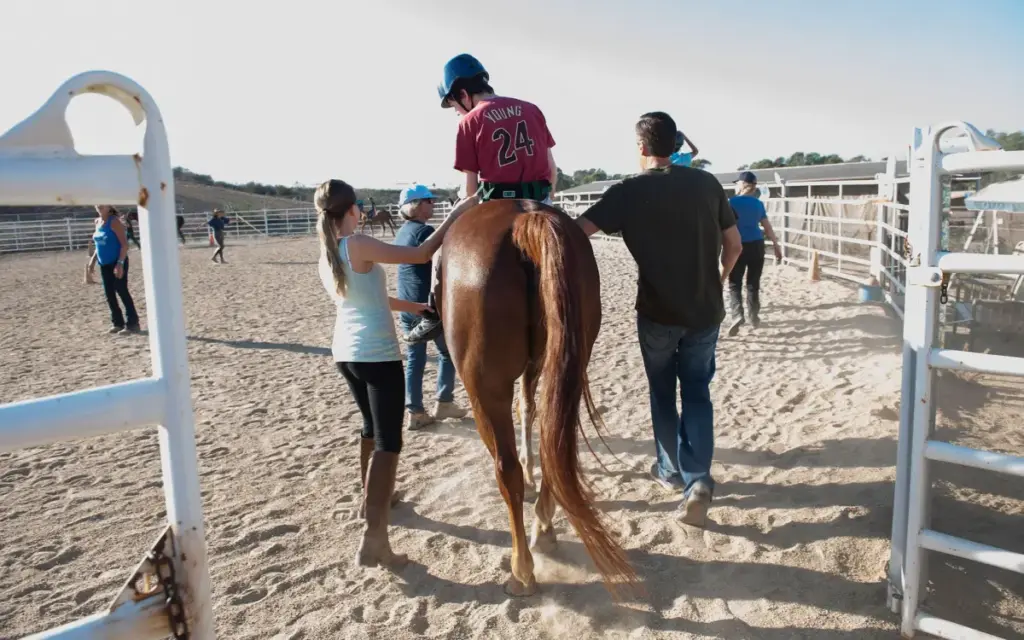
In the first group, children were assigned to receive therapeutic horseback riding once a week for a 10-week period. These sessions were designed to be both instructional and supportive, moving beyond mere exposure to active participation in riding. A second group was assigned to a "barn activity" cohort. These children visited the barn to see the horses and engage in activities around the facility, but they did not interact with the animals or participate in riding. This control group allowed researchers to determine whether the benefits were derived from the horse itself, the environment, or the physical act of riding.
A third group served as a comparison cohort, undergoing a waiting period before participating in the barn activity for five weeks, followed by five weeks of active riding lessons. This cross-over design helped ensure that the researchers could observe the effects of the intervention from multiple angles, providing a clearer picture of how these programs influence behavior over time.
Quantifiable Gains in Behavior and Regulation
The results of the study were striking. Across the board, children involved in both the riding programs and the barn activity groups showed significant reductions in irritability and hyperactivity. Furthermore, the researchers noted consistent improvements in the children’s ability to regulate their emotions and navigate social interactions.
However, the data revealed a crucial distinction: while proximity to horses provided benefits, the physical act of riding produced the most pronounced impact on hyperactivity. For children who struggle with impulse control and high levels of energy, the rhythmic movement and sensory input of horseback riding appeared to offer a unique therapeutic benefit.
Robin Gabriels, a professor of psychiatry at the University of Colorado and the lead researcher of the study, emphasized that there is something uniquely effective about the horse-and-rider relationship. "There is something about riding a horse that is particularly helpful for kids with hyperactivity," Gabriels explained. The dynamic nature of riding requires a child to remain focused on the animal, balance their own body in response to the horse’s movement, and follow the instructions of an instructor. This multifaceted engagement demands a level of physical and mental coordination that can be difficult to replicate in a sedentary therapy office.
Complementing Existing Clinical Care
Despite the positive findings, the researchers were quick to clarify that therapeutic riding should not be viewed as a standalone replacement for other medical or behavioral treatments. Instead, they suggest that it serves as an excellent, engaging supplement to existing care. For many children with autism, the traditional "talk therapy" or desk-based behavioral interventions can feel repetitive or disconnected from the real world. In contrast, the barn environment offers a tangible, sensory-rich experience that naturally encourages social and physical development.
"Working with horses gives these kids a chance to do something active, social and engaging," Gabriels said. "For some children, that may be a particularly effective way to help them develop skills that can be difficult to teach in a traditional clinical environment."
The social aspect of the program is equally important. Unlike individual therapy sessions, therapeutic riding often takes place in small groups, requiring children to share space, wait for turns, and interact with instructors and volunteers. These "real-world" social demands, facilitated by the calming presence of the horse, allow children to practice social communication in a low-pressure, supportive setting.
Addressing the Needs of a Diverse Population
The study’s findings are particularly relevant given the high prevalence of co-occurring psychiatric conditions in children with autism. Irritability, anxiety, and extreme hyperactivity are among the most difficult symptoms for parents and caregivers to manage, often leading to significant stress within the family unit. Finding interventions that can mitigate these behaviors while also providing the child with a sense of enjoyment and accomplishment is a primary goal for many families.
While the study provides compelling evidence, the researchers acknowledged that horseback riding is not a universal panacea. Factors such as sensory sensitivities, physical mobility, and the availability of local therapeutic riding centers can influence whether a program is a good fit for an individual child. Nevertheless, the study provides a scientific foundation for what many in the autism community have long suspected: that the human-animal bond, combined with the physical demands of horsemanship, can unlock developmental potential in ways that standard clinical settings sometimes cannot.
As the scientific community continues to explore the intersections of neurodiversity and animal-assisted therapy, this research offers a hopeful path forward. By integrating evidence-based practices like those identified in the study, families and clinicians can continue to expand the toolkit available to children with autism, ensuring they have access to diverse and effective opportunities for growth, regulation, and social connection.
The publication of these findings in Pediatrics is likely to encourage further investigation into the specific mechanisms that make equine-assisted therapy so effective. For now, the takeaway for families is clear: when considering extracurricular activities or supplemental therapies, the barn may offer much more than just a place to ride—it may offer a pathway to improved behavioral health and a greater sense of calm in the daily lives of children on the autism spectrum.