





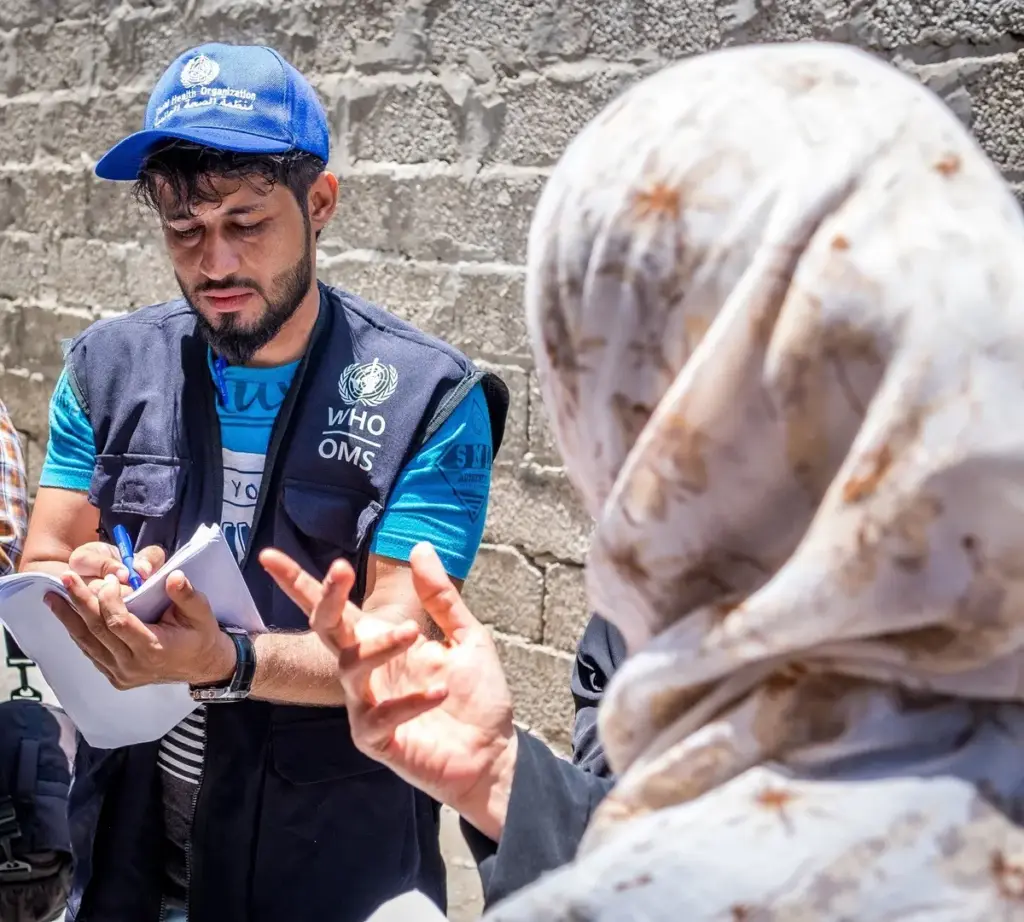
In a major move to fortify global health infrastructure, the World Health Organization (WHO) has officially unveiled the "SCORE for Health Data Technical Package." This comprehensive initiative arrives at a critical juncture, as the COVID-19 pandemic continues to underscore the vital necessity of reliable, real-time data to drive strategic health interventions. By providing a unified framework for data collection and analysis, the WHO aims to address the persistent gaps that have left many nations struggling to manage not only the current emergency but also their long-term public health goals.
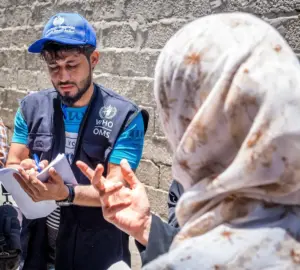
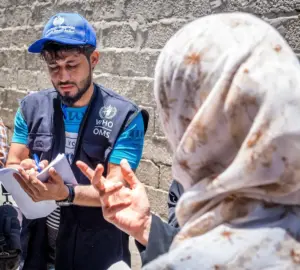
The COVID-19 pandemic has acted as a global stress test for health systems, exposing a stark reality: many countries lack the robust infrastructure required to routinely gather essential health data. Furthermore, even where data is collected, there is often a significant shortage of the analytical capacity required to transform that raw information into actionable health strategies or effective emergency response plans. The SCORE initiative is designed to bridge this divide, ensuring that governments possess the tools necessary to make informed, data-driven decisions that save lives.
"Countries must be able to measure progress to make progress," stated WHO Director-General Dr. Tedros Adhanom Ghebreyesus during the launch. He emphasized that in the volatile environment of a global pandemic, reliable data serves as the most effective compass for coordinating response efforts. By streamlining how information is captured and interpreted, the WHO intends to ensure that health improvements are not merely localized successes but sustainable, measurable advancements across all regions.
At its core, the SCORE—which stands for Survey, Count, Optimize, Review, and Enable—Technical Package represents the first time the WHO has consolidated the key elements of health information system performance into a single, harmonized resource. The package is designed to improve the availability of health data that is timely, reliable, validated, and, crucially, comparable across borders. By establishing clear benchmarks and elevating standards, the WHO hopes to assist governments worldwide in fostering more resilient and transparent healthcare systems.
The necessity for such a package was brought into sharp focus by the WHO’s "World Health Statistics 2020" report, which highlighted significant deficiencies in data availability. In response, the SCORE package integrates more than 90 universally accepted tools and standards, providing a comprehensive toolkit for strengthening health information systems.
Dr. Kelly Henning, Director of Public Health Programs at Bloomberg Philanthropies, which partnered with the WHO to deliver this initiative, highlighted the practical impact of the resource. "Using data to inform public health priorities and strategies has never been more important," Dr. Henning noted. "The SCORE Technical Package provides country governments around the world with high-quality, essential technical guidance so that countries can strengthen their own data systems." This partnership between the WHO and the Bloomberg Philanthropies Data for Health Initiative underscores a shared commitment to providing nations with the high-level technical support required to modernize their statistical capabilities.
The implications of the SCORE package extend far beyond the administrative realm of data management; they are deeply tied to the tangible improvement of individual lives and communities. Accurate health data acts as a vital diagnostic tool for nations, allowing them to identify specific population needs and allocate scarce resources with surgical precision. When a country knows exactly where a health crisis is emerging, or which demographics are most at risk, they can deploy interventions where they are needed most, thereby maximizing the impact of limited public health budgets.
Dr. Samira Asma, the WHO’s Assistant Director-General for Data, Analytics and Delivery for Impact, stressed the urgency of the moment. "We must keep score to save lives. WHO is committed to working with countries and partners to rapidly scale up capacity for data collection and use in order to improve policy and performance," she said. Dr. Asma pointed to the broader global context, noting that addressing these data gaps is a fundamental requirement for meeting the United Nations Sustainable Development Goals (SDGs) and the WHO’s own ambitious "Triple Billion" targets.
"We must act now to invest in statistical systems in countries, respond to this pandemic and meet the SDGs and the Triple Billion targets," Dr. Asma added. "Our window of opportunity is closing, and we cannot wait to address data gaps. Data use to address country needs has to be a priority today."
The vision for the future of health systems, according to the WHO, relies heavily on the use of country-owned, disaggregated data. By breaking down health statistics into granular, actionable insights, countries can move toward more resilient and sustainable models of care. While COVID-19 has served as a painful wake-up call regarding the existing flaws in global data infrastructure, the WHO views the current crisis as a catalyst for reform. The organization is positioning the SCORE package as an opportunity to "build back better" through a spirit of global solidarity, enhanced information-sharing, and collaborative governance.
The SCORE framework is intentionally designed to be practical, actionable, and flexible, allowing nations to adapt the tools to their unique local circumstances while adhering to shared international standards. This flexibility is key to the WHO’s strategy, as it recognizes that a one-size-fits-all approach is insufficient for the diverse challenges faced by different health ministries globally. By providing a common language and a shared set of standards, the initiative aims to foster a more unified global response to health emergencies.
As the program moves forward, the WHO has indicated that the initial release is only the beginning. Future components of the SCORE Technical Package are scheduled for release later this year, including the "SCORE Assessment Instrument" and a series of global, regional, and country-specific status reports. These upcoming resources are intended to provide a complete, end-to-end information ecosystem, enabling governments to plan, monitor, and report on their progress against both national priorities and international benchmarks.
Ultimately, the launch of the SCORE Technical Package is a recognition that in the modern era, data is as essential to public health as medical supplies or healthcare workers. Without the ability to collect, process, and analyze data effectively, countries remain in the dark, unable to respond to threats or allocate resources with the necessary speed and accuracy. By providing this framework, the WHO is taking a definitive step toward creating a global health landscape that is not only better prepared for the next crisis but also more effective at improving the daily lives of people everywhere. As the international community continues to navigate the complexities of the COVID-19 pandemic and its aftermath, the implementation of these standardized, high-quality data systems will likely prove to be a defining factor in the success of global public health efforts for years to come.