








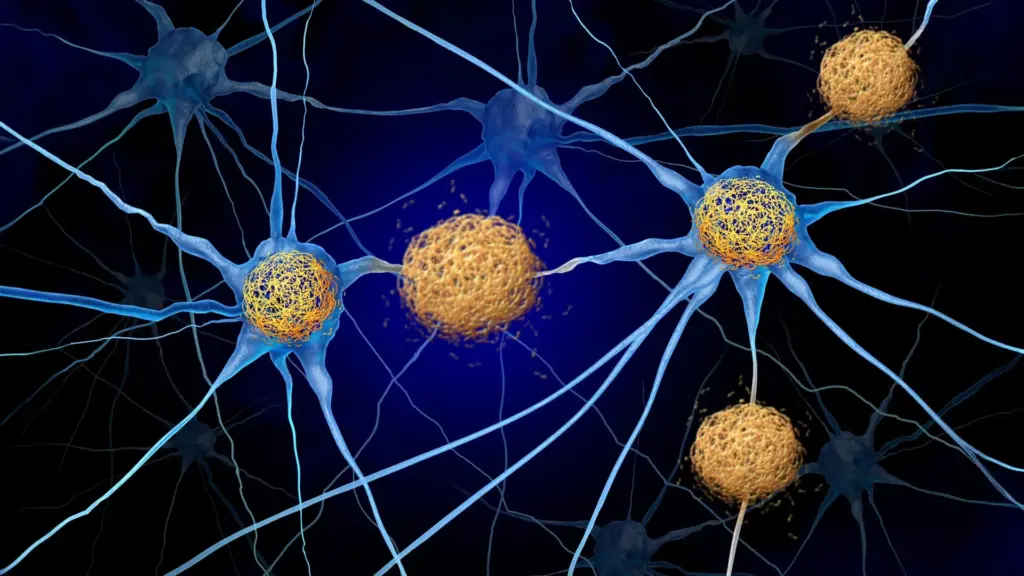
Protecting brain cells from the progressive destruction that characterizes Alzheimer’s disease and related neurodegenerative conditions remains one of the most formidable challenges in modern medicine. These disorders, collectively known as tauopathies, are marked by the accumulation of abnormal tangles of a protein called tau inside the brain. As these toxic tangles build up, neurons begin to falter and eventually die, leading to the devastating cognitive decline that robs patients of their memories and independence.
For decades, the scientific community has focused heavily on the buildup of these proteins as the primary culprit. However, a growing body of evidence suggests that tau itself may not be the sole driver of the extensive damage seen in these patients. Instead, researchers are increasingly looking toward the immune system, whose reactive response to these proteins appears to play a significant, perhaps even primary, role in the catastrophic loss of brain cells.
Scientists at the Washington University School of Medicine in St. Louis have now identified a promising therapeutic strategy for interrupting this damaging immune cascade. In a study published September 28 in the journal Neuron, researchers demonstrated that by blocking a specific signaling pathway, they could significantly preserve brain tissue and cognitive function in mice, even when the underlying tau protein deposits remained present.

Understanding the Role of Immune Cells in Neurodegeneration
Current standard treatments for Alzheimer’s disease primarily focus on the clearance of amyloid-beta, another protein known to aggregate in the brain. Approved therapies like lecanemab and donanemab target amyloid plaques that develop between brain cells in the early stages of the disease. While these plaques interfere with neuronal communication and are thought to catalyze the formation of tau tangles, they represent only one part of a complex disease pathology.
While these anti-amyloid medications have shown the ability to slow cognitive decline, they have not yet demonstrated the capacity to prevent neurons from dying entirely. Furthermore, they offer no relief for primary tauopathies—conditions where tau accumulates independently of amyloid. Alzheimer’s is classified as a secondary tauopathy because both amyloid and tau pathology are present, yet the downstream neurodegeneration continues regardless of current interventions.
The laboratory of Dr. David M. Holtzman, the Barbara Burton and Reuben M. Morriss III Distinguished Professor in the Department of Neurology at WashU Medicine, has been exploring whether the immune system offers a more effective therapeutic target. In a landmark 2023 study published in Nature, Holtzman’s team discovered that T cells—a type of immune cell—actively infiltrate the brains of mice exhibiting tau accumulation. These cells tend to congregate in regions where tau is most prevalent, suggesting they are directly contributing to the neurodegenerative process. A follow-up study published earlier this month in Nature Neuroscience further clarified that the signals directing these T cells into the brain originate from lymph nodes located outside the central nervous system.
The CXCL10-CXCR3 Pathway: A Gateway for Damage
With the discovery that T cells were entering the brain, researchers faced a critical question: what chemical signals were guiding them to their destination? T cells typically navigate the body by following chemical gradients known as chemokines. Previous experiments in Holtzman’s laboratory had revealed that mice with significant tau accumulation exhibited unusually high levels of a specific chemokine called CXCL10. This finding was corroborated by other research teams, who observed elevated levels of CXCL10 in the brains of human patients suffering from Alzheimer’s disease.
The mechanism relies on a surface receptor found on activated T cells called CXCR3, which acts like a lock waiting for the CXCL10 key. When CXCR3 binds to CXCL10, it triggers the T cell to migrate toward the source of the signal. The researchers hypothesized that this CXCL10-CXCR3 pathway was the precise route used by harmful T cells to infiltrate the brain.
To test this, the researchers utilized a mouse model designed to develop abnormal tau deposits that closely mimic those seen in Alzheimer’s patients. Led by co-senior author Dr. Jason Ulrich, a professor of neurology at WashU Medicine, and first author Dr. Joshua T. Emmerson, a postdoctoral researcher in Holtzman’s laboratory, the team conducted a series of knockout experiments. They discovered that when mice lacked either the CXCL10 signal or the CXCR3 receptor, T cells were unable to infiltrate the brain. Remarkably, this protective barrier remained intact even when the researchers attempted to induce inflammation to force an immune response, confirming that the CXCL10-CXCR3 axis is the primary gatekeeper for these cells.
Preserving Brain Tissue Through Immune Modulation
Having established that the pathway was responsible for the migration of T cells, the researchers moved to determine if blocking this interaction could prevent brain damage. They selected young mice that already possessed tau deposits—meaning the pathology had started—but had not yet reached the point of substantial neuronal loss.
Over a period of three and a half months, the research team administered an antibody designed to block the CXCR3 receptor once every five days. The results were striking. By the end of the study, the treated mice had roughly 50% fewer T cells in their brains compared to the control group. More importantly, the preservation of neurological health was measurable: the treated animals retained approximately 40% more brain tissue in critical memory-related regions and performed significantly better on standardized memory tests.
Perhaps the most significant finding from a clinical perspective is that these benefits were achieved without a reduction in tau tangles. The treated and untreated mice possessed similar quantities of the abnormal protein, suggesting that the neurodegeneration is not an inevitable consequence of the protein itself, but rather a consequence of the immune system’s aggressive reaction to it. By tempering the immune response, researchers could theoretically preserve brain function even if the underlying protein aggregates are not entirely cleared.
Implications for Future Drug Development
This discovery offers a potential paradigm shift for Alzheimer’s drug development. One of the most persistent hurdles in neuropharmacology is the blood-brain barrier—a highly selective semipermeable border that prevents many substances in the circulating blood from entering the brain. Many promising drugs fail in clinical trials simply because they cannot cross this barrier in sufficient concentrations.
In the WashU study, the anti-CXCR3 antibody reached the brain’s periphery but did not need to cross the blood-brain barrier to be effective. By targeting the immune signaling occurring outside the brain, scientists may be able to circumvent the delivery issues that have plagued neurological medicine for decades.
"For this therapeutic approach, if it is safe, you wouldn’t have to design the drug to get into the brain—which is a big deal since most molecules don’t cross the blood-brain barrier well—and you don’t have to get rid of the tau to get this therapeutic effect," Dr. Holtzman noted.
While the results are highly encouraging, the researchers urge caution, noting that the study has so far been limited to animal models. The next logical step is to determine the safety and efficacy of this approach in humans. Holtzman suggests that existing medications already used to manage T cells in other autoimmune conditions, such as multiple sclerosis, could serve as a starting point for clinical investigation.
"In tauopathies, including Alzheimer’s disease, there’s no treatment right now that actually decreases neurodegeneration," Dr. Holtzman said. "If we can show that we’re really decreasing brain cell death, it’s certainly worth trying to pursue that pathway to prevent the most devastating consequences of these diseases."
By shifting the focus from the buildup of proteins to the inflammatory immune response, this research opens a new, potentially less complex front in the battle against Alzheimer’s. If validated in human trials, modulating the immune system to protect rather than attack brain cells could fundamentally change how we manage and treat the most devastating neurodegenerative diseases of our time.