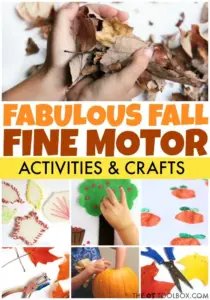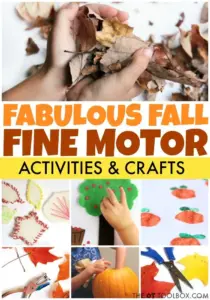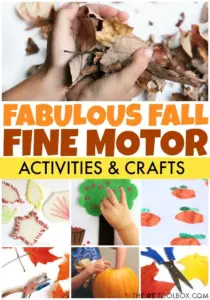









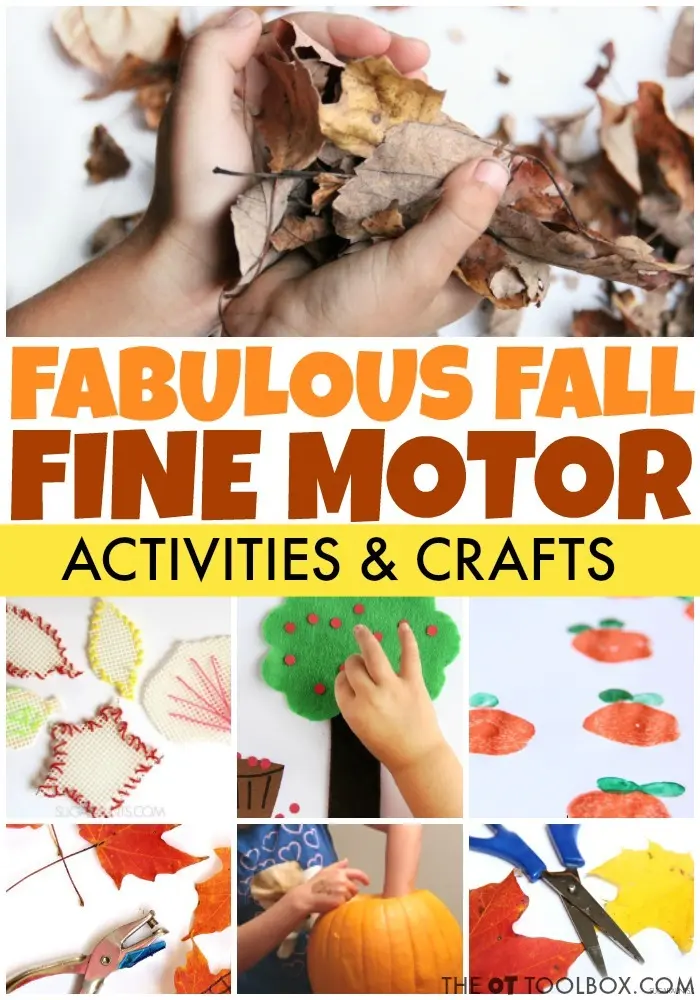
As the crisp autumn air settles in and the landscape transforms with vibrant hues of red, orange, and gold, occupational therapists, educators, and parents are increasingly turning to seasonal themes to support childhood development. Rather than choosing fall activities purely for their festive appeal, professionals in pediatric therapy are strategically utilizing pumpkins, leaves, apples, acorns, and farm motifs to target precise fine motor needs, hand strength, and visual-motor integration in children.
The transition into fall offers a natural abundance of sensory-rich materials that can be easily integrated into therapeutic interventions and classroom play. By harnessing the tactile qualities of autumn, specialists can address fundamental developmental milestones—ranging from foundational hand strength and finger dexterity to advanced scissor control and handwriting readiness—without making the exercises feel like clinical work.
Targeting Hand Strength Through Seasonal Play
Hand strength is a cornerstone of childhood development, crucial for daily tasks such as writing, fastening clothing, and opening containers. When children exhibit weak hand strength, it often impacts their academic endurance and self-help skills. To combat this, pediatric occupational therapists are implementing structured, thematic activities designed to provide controlled resistance to the small intrinsic muscles of the hands.
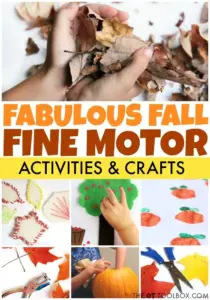
One popular approach involves apple-themed geoboards, where children stretch rubber bands across pegs to recreate specific fruit designs. This action provides targeted resistance to the fingers and hands while simultaneously demanding precision and controlled release, fostering bilateral coordination and motor planning. Similarly, classic play dough activities are being reimagined with a fall twist. Rolling, squeezing, pinching, and pressing soft, scented dough offer both proprioceptive sensory feedback and essential resistance for grip and finger strength exercises. Therapists frequently enhance these sessions by hiding small autumn-themed items, such as miniature leaves, seasonal erasers, or colored beads, within the dough to encourage purposeful manipulation.
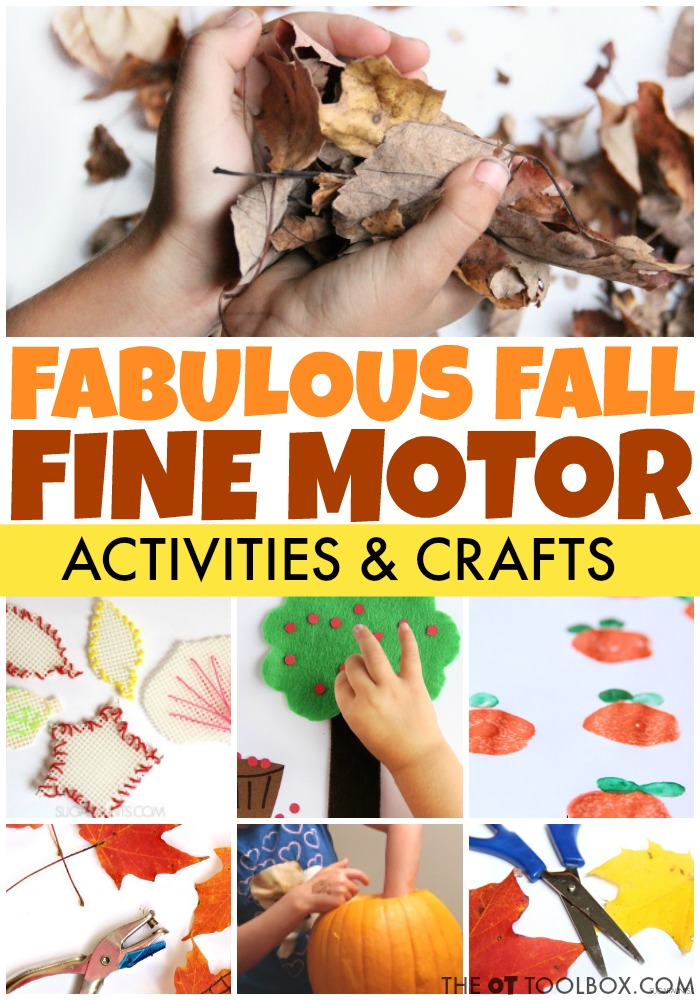
Another effective tool utilized in clinical settings is the traditional hole punch. By drawing or printing apple and leaf outlines and encouraging children to punch holes along the edges, therapists can observe and improve sustained hand force. Operating a handheld hole punch requires considerable hand strength, while the visual tracking required to follow a specific border integrates crucial visual-motor skills.
Enhancing Dexterity and Precision
Manual dexterity requires the coordinated, efficient movement of the fingers for small, precise tasks. When children struggle with dexterity, it often manifests as difficulty with speed, precision, and object manipulation. Fall-themed manipulatives—such as craft pom-poms, seeds, paper clips, and small craft items—provide an engaging medium to address these challenges.
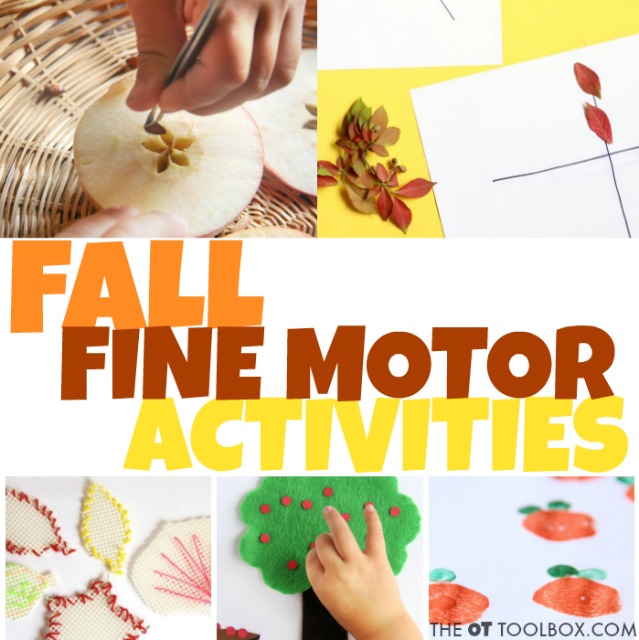
Activities utilizing craft pom-poms, for instance, can be easily modified to challenge a child’s precision. By introducing tools like tongs or tweezers, children can transfer fall-colored pom-poms into ice cube trays or muffin tins, grading the difficulty based on the size of the objects and the tools used. In school and clinical environments, paper clip counting activities offer a portable method for practicing fine motor skills. Children attach specific numbers of paper clips to laminated apple counting cards, an exercise that demands precise fingertip movements and encourages bilateral hand use as one hand stabilizes the card while the other manipulates the fastener.
Advancing Scissor Skills and Bilateral Coordination
Cutting with scissors is a complex developmental task that requires both hands to perform distinctly different jobs simultaneously. While the dominant hand opens and closes the scissors, the non-dominant helper hand must stabilize, rotate, and guide the paper.
To support these abilities, educators and therapists are utilizing specialized cutting practice pages featuring apple outlines and directional lines. These exercises allow professionals to assess a child’s grasp, control, and line awareness. Furthermore, outdoor environments rich in seasonal foliage provide a natural resource for cutting practice. Children can snip real fall leaves into small pieces or cut along drawn lines, integrating auditory processing and sensory exploration with foundational motor skill development.
Beyond simple cutting, structured cut-and-paste crafts introduce executive functioning demands. Children must not only cut out shapes but also visually determine where pieces belong, orient them correctly, follow an assembly sequence, and apply glue. This multi-step process engages visual-spatial skills, direction following, and bilateral coordination.
Bridging Visual-Motor Integration and Handwriting
Adequate hand strength and dexterity are only part of the equation; children must also successfully coordinate what they see with how their hands move. Visual-motor deficits often become apparent when a child struggles to copy a design, follow a line, or locate a target on a page.
To address these needs, professionals are incorporating fall-themed directed drawing, pattern blocks, and visual scanning exercises into their sessions. Directed drawing encourages children to observe model shapes—such as acorns, pumpkins, and leaves—and reproduce their spatial relationships on paper. Similarly, pattern block designs require children to identify correct pieces, determine their orientation, and position them relative to one another, blending fine motor manipulation with visual discrimination.
For older children or those working on writing readiness, seasonal writing prompts offer a meaningful context to practice handwriting without relying solely on isolated drills. Rather than drilling individual letters, educators can adapt writing prompts to meet the developmental level of each child. Emerging writers may focus on spelling a single fall-related word, while beginning and developing writers craft sentences, respond to prompts, or plan and write cohesive paragraphs. This approach allows instructors to target specific components such as line awareness, spacing, letter size, formation, and endurance across an entire group of students with diverse needs.
Utilizing No-Prep Natural Materials
The accessibility of autumn materials also allows for effortless integration into everyday environments. Items readily found in a yard or household can be transformed into effective fine motor tools. Leaves can be torn, crumpled, punched, cut, sorted, or strung onto yarn. Acorns and pumpkin seeds can be scooped, counted, sorted, or dyed with liquid watercolors to add a vibrant sensory element to sorting tasks. Even everyday household items, such as plastic bread ties, are being repurposed in crafts to help children practice intricate manipulation and grasp strength.
As educators and therapists continue to plan seasonal sessions, the emphasis remains on purposeful play. By grounding festive autumn themes in targeted developmental objectives, professionals can ensure that seasonal crafts and games actively contribute to the fine motor foundation children need for lifelong academic and functional success.