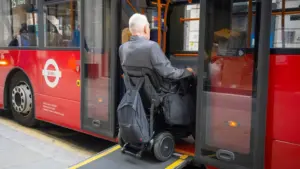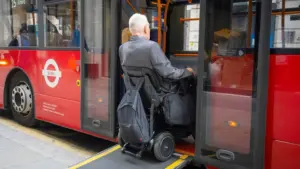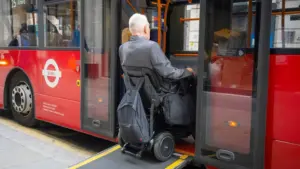









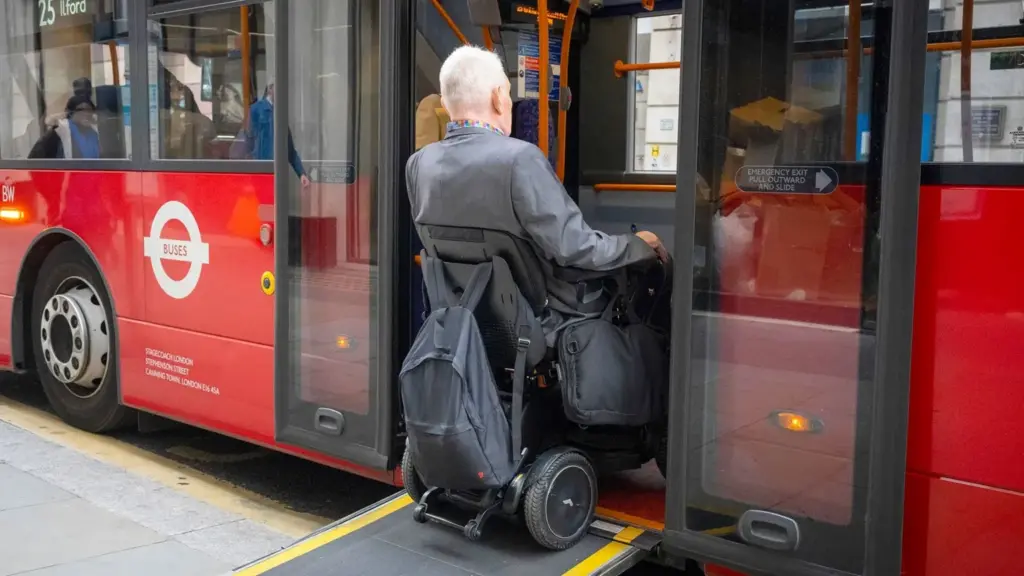
Starting April 1, disabled people across England will be able to travel by bus for free at any time of day, marking a major transformation in public transit accessibility. Previously, free bus passes were strictly restricted to off-peak hours on weekdays, specifically between the hours of 09:30 and 23:00. This long-standing limitation created significant barriers for pass holders trying to commute to standard morning jobs, arrive early for appointments, or attend late-night events and professional obligations. The removal of these restrictive time limits will benefit an estimated one million people nationwide, effectively turning local bus networks into a true full-time lifeline for disabled citizens seeking greater independence and integration into society.
The nationwide policy follows a highly successful trial period implemented within Greater Manchester’s integrated public transit system, known as the “Bee Network.” The reform also directly responds to years of persistent campaigning by prominent disability rights organizations, including Scope and Transport for All. Advocates have widely celebrated the government’s move for eliminating an unfair "postcode lottery," a fragmented system where the validity and timing of concessionary passes previously depended entirely on local authority rules and municipal budgets. However, while disability organizations have praised the national shift, they emphasize that this reform is only a single step forward, noting that eligibility requirements across different regional councils still require broader standardization to ensure complete equity.
To make the program permanently viable, the £60 million scheme is being jointly funded through the Department for Transport and the Department for Work and Pensions. Government officials have framed the major policy reform as an essential workforce and cost-of-living initiative. This investment joins existing transit measures, such as the nationwide £2 single-fare cap, and successfully brings England into alignment with similar 24/7 concessionary transit programs that have long been operating in Scotland and Wales.

Global Takeaways: How Other Countries Can Make Accessible Commuting Possible
Making daily commuting accessible and affordable for disabled citizens requires a careful combination of policy design, advanced digital systems, and targeted public investment. Examining how major transit overhauls are achieved offers valuable insight into the structural elements necessary to support independent mobility on a national scale.
Why Was the UK Able to Do It?
The ability of the United Kingdom to enact this sweeping change stems from a combination of centralized funding, coordinated governmental departments, and intense advocacy from disability rights groups. By pooling resources through the Department for Transport and the Department for Work and Pensions to secure a £60 million funding package, policymakers were able to bridge municipal divides. Furthermore, the foundational success of localized trials, such as Greater Manchester’s "Bee Network," provided a clear operational blueprint and empirical evidence demonstrating that removing off-peak restrictions was both logistically feasible and economically sustainable. This combination of grassroots campaigning, municipal proof-of-concept testing, and dedicated national funding created the precise political and financial environment needed to overhaul the concessionary pass system across the entire nation.
Does It Depend on Existing Infrastructure?
Yes, heavily. Free transit passes only work if the public transport network is physically and technologically accessible. A pass that allows free travel at any hour of the day loses much of its practical value if the buses themselves cannot accommodate wheelchair users, if boarding ramps are frequently out of service, or if real-time digital information systems fail to announce stops clearly for passengers with visual or auditory impairments. True accessibility relies on an integrated foundation of modern, low-floor vehicles, properly maintained physical infrastructure at bus stops and transit hubs, and trained operational staff who can assist passengers when needed. Without these baseline infrastructural elements, expanded fare policies risk leaving physical barriers unaddressed.
What Is Needed to Make Commuting Affordable for People with Disabilities?
Achieving true affordability and accessibility in public transportation requires a multi-faceted approach centered on policy and financial commitment. Ensuring that transit systems remain accessible to disabled commuters involves eliminating rigid time constraints that penalize peak-hour travel, standardizing eligibility criteria across different regions to eradicate geographic disparities, and providing robust, sustainable public funding that prevents local budget cuts from eroding commuter rights. By combining financial support mechanisms—such as government-backed fare caps and universal concessionary passes—with investments in inclusive infrastructure, transportation networks can effectively support the daily mobility needs of disabled citizens.