









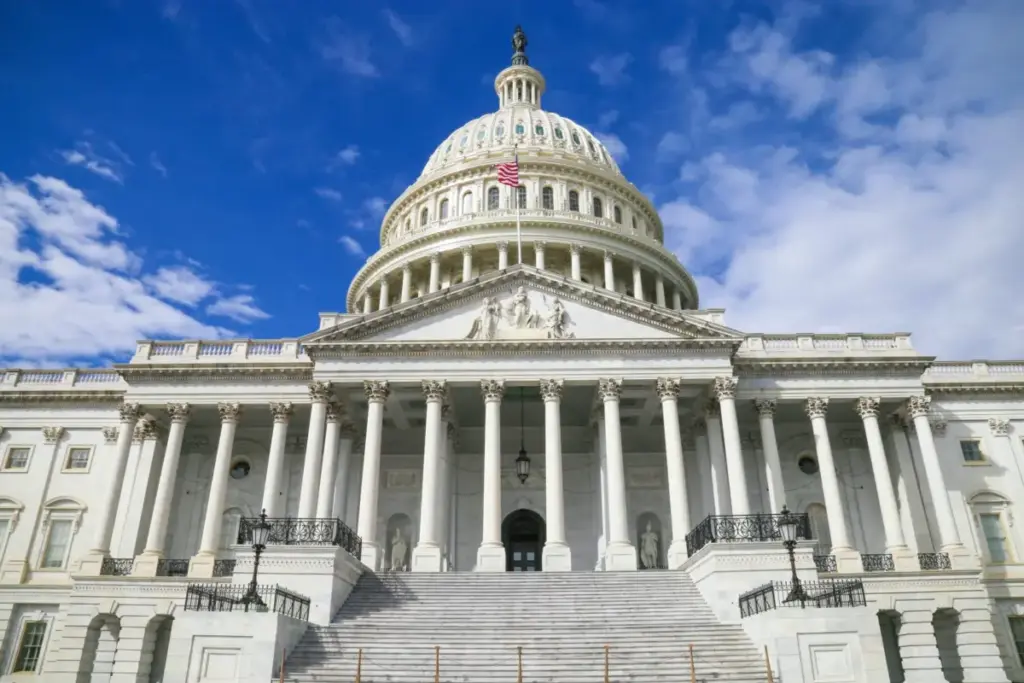
WASHINGTON, DC — As the federal budgeting process moves forward on Capitol Hill, leading early childhood advocates are welcoming the release of the White House’s fiscal plan as a major step forward for the nation’s youngest residents. ZERO TO THREE, the country’s prominent early childhood development nonprofit dedicated to ensuring all infants and toddlers achieve a strong start in life, has voiced strong encouragement regarding President Biden’s proposed fiscal year 2025 budget. According to the organization, the sweeping funding plan incorporates essential and long-overdue investments designed to establish a solid developmental foundation for young children and their families nationwide.
The proposed federal budget, rolled out in March, outlines a broad vision for domestic spending that directly intersects with the core priorities of child development experts, pediatricians, and family advocates. By targeting structural needs during the most critical developmental window of a human life—the period from birth to age three—the administration’s blueprint seeks to address systemic gaps in healthcare, education, economic support, and community infrastructure.
Miriam Calderón, Chief Policy Officer at ZERO TO THREE, emphasized the profound impact these federal investments could have on American families if adopted into law by Congress.

"If implemented, President Biden’s budget released today will make our nation a better and fairer nation to have and raise a baby," Calderón stated. "ZERO TO THREE has urged Congress and the Administration to prioritize the needs of babies and their families in five key areas: maternal health, infant and early childhood mental health, child care, housing, and economic security."
Calderón noted that the administration’s budget proposal directly builds upon the strategic priorities highlighted during the President’s recent State of the Union address. During that national address, the President laid out a comprehensive path toward a future where working families are economically empowered and given meaningful choices regarding the care, education, and overall well-being of their children. The newly detailed fiscal year 2025 budget expands upon this overarching vision by translating broad policy goals into concrete funding proposals that touch nearly every facet of early childhood development.

The endorsement from ZERO TO THREE comes at a time when early childhood advocates across the United States are increasingly sounding the alarm over the fragility of foundational support systems. In recent months, early childhood leaders have pushed back heavily against proposed regulatory rollbacks in other federal spaces, such as potential adjustments to Head Start standards, arguing that infants and toddlers cannot afford any weakening of the safety net. Against that backdrop, the infusion of focused federal funding outlined in the White House budget is viewed by advocates as a vital course correction.
The administration’s budget blueprint approaches early childhood well-being through an interconnected lens, recognizing that a baby’s healthy development cannot be separated from the health, financial stability, and emotional well-being of their primary caregivers. By addressing maternal mortality rates, expanding access to mental health resources tailored to infants and toddlers, lowering the prohibitive costs of quality child care, stabilizing housing for low-income families, and bolstering broader economic security measures, the budget attempts to address the root causes of early childhood adversity.
With the release of the executive budget proposal complete, the focal point of the legislative battle now shifts entirely to Capitol Hill. The realization of these proposed investments depends on the willingness of lawmakers in both the House of Representatives and the Senate to forge bipartisan or consensus-driven appropriations agreements.

Calling upon federal legislators to seize the opportunity, Calderón stressed the urgency of translating executive proposals into legislative action.
"Now, Congress must work with the Administration to deliver for families and babies," Calderón continued. "We look forward to working with Congressional appropriators and our baby champions on the Hill to make these bold proposals a reality."
As congressional committees begin holding hearings and negotiating spending bills for the upcoming fiscal year, early childhood advocates and community stakeholders across the country are expected to mobilize in support of the provisions prioritizing the nation’s youngest citizens. For ZERO TO THREE and allied organizations, the upcoming months will involve intense advocacy to ensure that the promise of the fiscal year 2025 budget is fully realized in the final appropriations signed into law.