







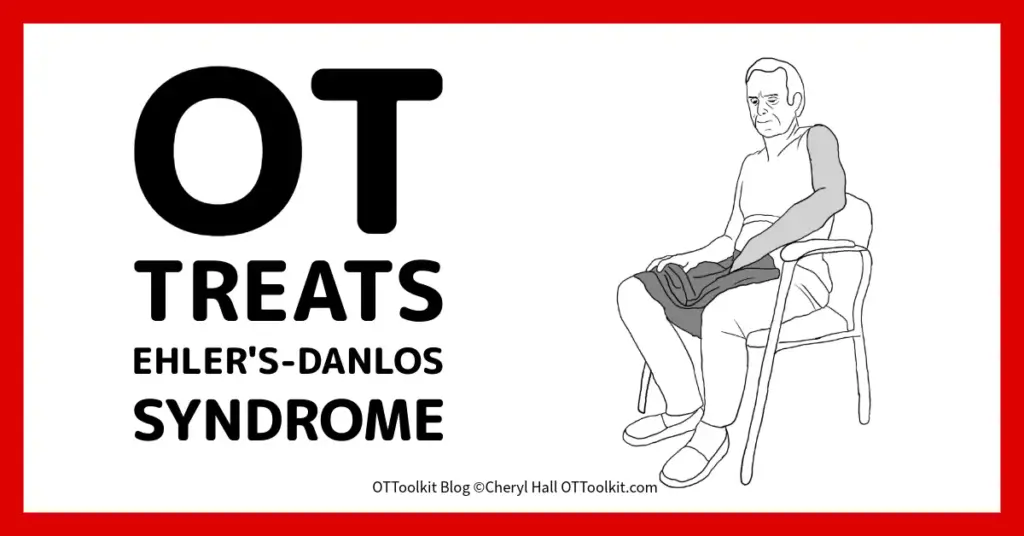
The collaborative nature of the occupational therapy community remains one of its most enduring strengths, as practitioners frequently share insights to bridge gaps in clinical care. Recently, this spirit of professional cooperation was highlighted when an occupational therapist practicing in Tennessee reached out to Cheryl Hall, the creator of the Occupational Therapy Toolkit, with a poignant observation. A patient struggling with the daily challenges of Ehlers-Danlos Syndrome (EDS) had expressed frustration, noting that the condition lacked a dedicated treatment guide within the pages of the widely used resource. This feedback served as a catalyst for a broader discussion on how occupational therapy can more effectively support patients living with this complex connective tissue disorder.
Ehlers-Danlos Syndrome is a rare and multifaceted condition that, while not always encountered by every practitioner in the field, presents unique challenges that are well-suited for the interventions occupational therapists provide. Recognizing the gap in current resources, the Occupational Therapy Toolkit has committed to developing a comprehensive EDS treatment guide for future editions. In the interim, and in light of the 2024 release of the 8th edition, this development underscores the ongoing evolution of clinical resources to meet the diverse needs of patients who often navigate systemic and chronic health hurdles.
Understanding Ehlers-Danlos Syndrome
At its core, Ehlers-Danlos Syndrome is a group of connective tissue disorders that fundamentally affect the body’s production and utilization of collagen. Collagen is the essential "glue" that provides strength and structure to the body’s tissues, including skin, blood vessels, organs, and joints. When this protein is compromised, the structural integrity of the body is affected in varying ways. Currently, medical researchers have identified 13 distinct types of EDS, each with its own unique genetic cause and clinical presentation.
The symptoms of EDS are as varied as they are taxing. Among the most frequently reported manifestations are joint hypermobility, which leads to chronic instability, and persistent, often debilitating joint pain. Patients frequently report skin that is fragile—prone to easy bruising, tearing, and abnormal stretching—as well as systemic issues that can complicate daily living. These systemic symptoms often include chronic fatigue, dizziness upon standing, and a range of digestive concerns. Because these symptoms can fluctuate in severity, the role of an occupational therapist is critical in helping patients manage their condition and maintain their autonomy.
Core Occupational Therapy Interventions for EDS
The therapeutic approach to EDS is inherently holistic, focusing on symptom management, functional independence, and the preservation of long-term joint health. Occupational therapists employ several key strategies to address the primary and secondary effects of the condition.
Joint protection is perhaps the most critical component of care for individuals with EDS. Because hypermobility can lead to frequent subluxations and hyperextension, therapists work to mitigate pain through the careful modification of daily tasks. This often involves educating patients on safer movement patterns and, when necessary, designing and fitting custom splints to stabilize vulnerable joints. By providing physical support, these interventions help reduce the chronic strain that leads to long-term joint degradation.
Fatigue is a hallmark of many chronic conditions, and EDS is no exception. Occupational therapists utilize energy conservation techniques to help patients manage their limited reserves. This involves working collaboratively with the patient to develop pacing and planning strategies, ensuring that daily activities are balanced with sufficient rest. By analyzing task performance and identifying where energy expenditure can be reduced, therapists empower patients to maintain their daily routines without triggering exhaustion or pain flares.
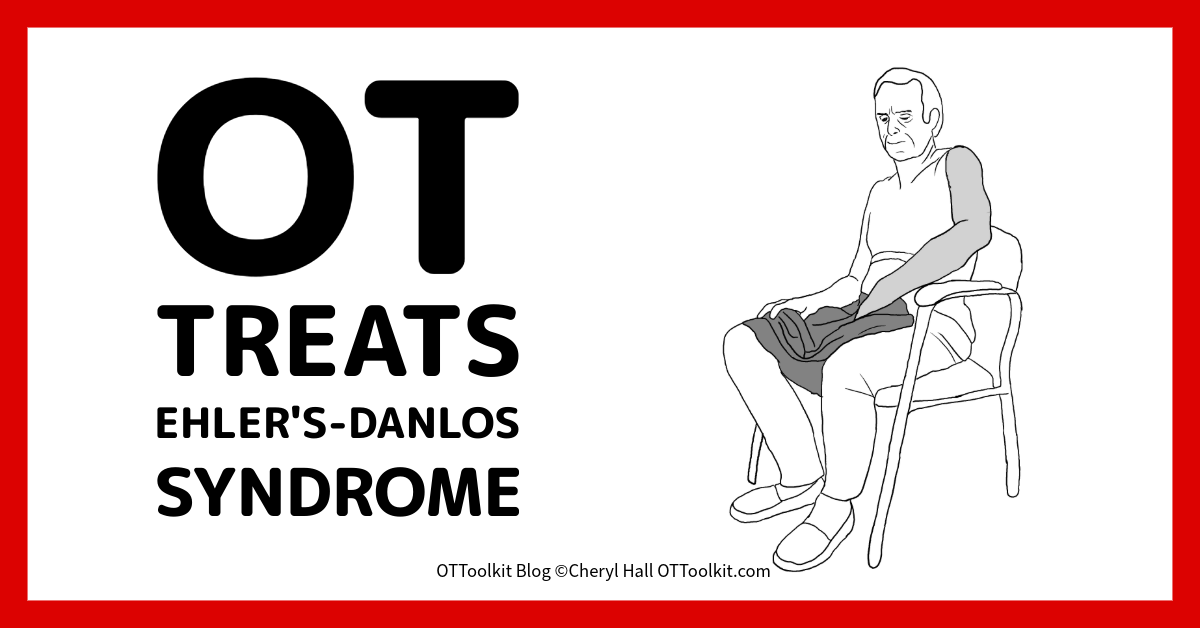
Beyond direct physical support, adaptive equipment plays a significant role in improving the quality of life for those with EDS. Therapists may recommend specialized tools that not only assist with daily activities but also prioritize fall prevention and community mobility. When a patient’s joints are unstable, even navigating a home environment or a public space can become a source of anxiety. Providing the right equipment—such as mobility aids or tools that reduce the need for repetitive gripping—can make a significant difference in the patient’s confidence and safety.
Ergonomic assessment is another vital service provided by occupational therapists. Whether at home, in the workplace, or within a school environment, an ergonomic evaluation can pinpoint stressors that lead to joint strain. By modifying workstations, suggesting specialized software that reduces the need for repetitive movement, or adjusting furniture heights, therapists can create environments that minimize the risk of injury and discomfort, allowing patients to remain active and productive.
A less discussed but equally important aspect of EDS treatment involves addressing proprioception. Because of joint laxity, many patients with EDS struggle with their sense of position, movement, and location in space. This lack of feedback from the body can lead to a heightened risk of injury and a sense of physical instability. Occupational therapists use targeted, gentle exercises to improve proprioceptive input and body awareness, which in turn helps to protect joint health and improve overall functional coordination.
Addressing Co-occurring Conditions
The complexity of EDS often means that patients deal with a spectrum of co-occurring symptoms, including sleep disturbances, migraines, mental health challenges, gastrointestinal issues, and various autoimmune disorders. Occupational therapists are uniquely positioned to assist with these issues by providing evidence-based strategies to manage the impact these symptoms have on daily living. Whether it is recommending sleep hygiene modifications, suggesting sensory-based strategies for pain, or helping a patient navigate the cognitive load associated with chronic illness, the occupational therapy approach is rooted in the practical realities of the patient’s life.
While the Occupational Therapy Toolkit continues to refine its formal treatment guides, it already functions as a robust resource for practitioners working with EDS patients. The existing materials—which include diverse ADL (Activities of Daily Living) and mobility handouts, educational materials, and therapeutic exercise guides—provide a foundation for addressing the functional challenges associated with connective tissue disorders. For practitioners seeking to expand their clinical knowledge, resources such as The Ehlers-Danlos Society offer essential information, including continuing education, current research, and directories of healthcare professionals with specialized expertise in the condition.
The initiative to include a dedicated EDS guide in future iterations of the Occupational Therapy Toolkit serves as a testament to the importance of clinician-to-clinician communication. As the field of occupational therapy continues to adapt to the needs of complex, underserved populations, the contributions and observations of practitioners on the front lines remain the most effective driver of growth. For those within the community who have ideas for future additions or refinements to the toolkit, direct feedback remains highly encouraged, ensuring that the resources available to therapists remain as responsive and effective as possible.