






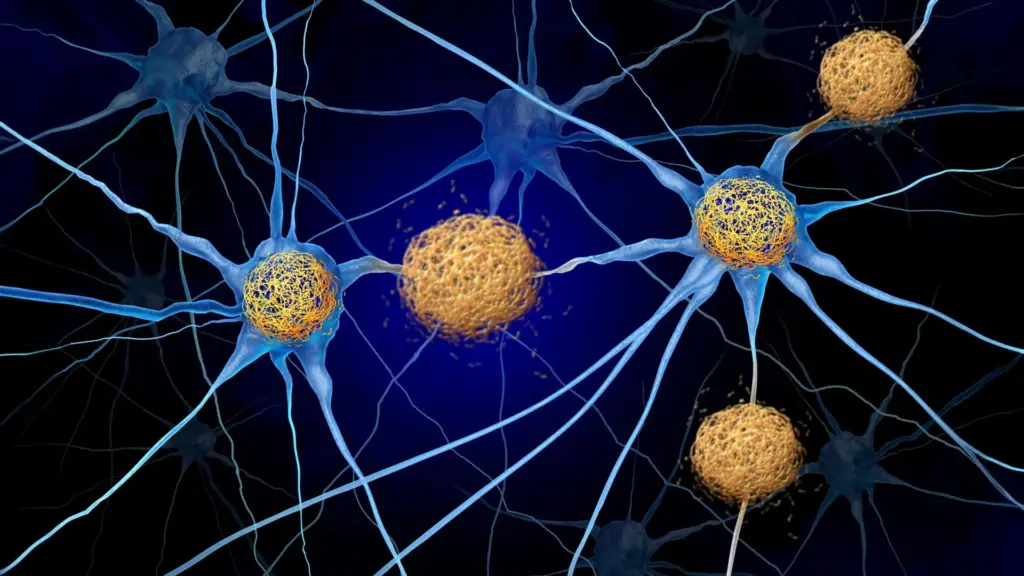
Protecting brain cells from the devastating effects of neurodegeneration remains the "holy grail" of modern medicine. For decades, the primary focus of Alzheimer’s disease research has been the removal of abnormal protein aggregates—specifically amyloid plaques and tau tangles—that accumulate in the brains of patients. However, a groundbreaking study from the Washington University School of Medicine in St. Louis suggests that we may have been looking at only half the picture. New findings published in the journal Neuron indicate that the destruction of neurons, which leads to memory loss and the erosion of independence, may not be driven by the proteins themselves, but by the brain’s own immune system reacting to them.
This research, led by Dr. David M. Holtzman, opens a potentially transformative frontier in neurology. By identifying a specific biological "highway" that immune cells use to infiltrate the brain, scientists have successfully preserved memory and brain tissue in mice without having to remove the toxic tau proteins that characterize the disease.
The Role of the Immune System in Tauopathies
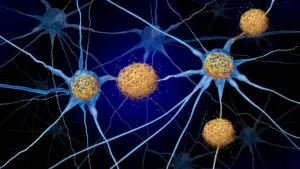
Neurodegenerative conditions known as tauopathies—a category that includes Alzheimer’s disease, frontotemporal dementia, and progressive supranuclear palsy—are defined by the buildup of abnormal, twisted fibers of the protein tau inside neurons. Historically, the prevailing theory was that these tau tangles were directly toxic, acting like physical blockages or structural disruptors that killed the cells from the inside out.
However, Dr. Holtzman, the Barbara Burton and Reuben M. Morriss III Distinguished Professor in the Department of Neurology at WashU Medicine, and his team have found that the immune system’s reaction to these proteins is a primary driver of the damage. In earlier work, published in 2023 in the journal Nature, the researchers discovered that T cells—a type of immune cell typically found in the blood—cross into the brains of mice with tau accumulation. These cells concentrate in the exact regions where tau is most prevalent, suggesting they are not just bystanders, but active participants in the neurodegenerative process.
Decoding the Chemical Signal
To understand how these T cells navigate into the brain, the research team focused on chemokines, which are small signaling proteins that act as a sort of GPS system for immune cells. Previous experiments in the Holtzman lab identified an unusually high concentration of a signal called CXCL10 in the brains of mice with tau accumulation. This finding was particularly compelling because other research groups have observed similar elevations of CXCL10 in the brains of human Alzheimer’s patients.
The T cells carry a surface receptor called CXCR3, which acts as a "lock" to the "key" of CXCL10. The researchers hypothesized that the CXCL10/CXCR3 pathway serves as a beacon, guiding harmful, activated T cells from the periphery of the body into the brain tissue.
To test this, the team, which included co-senior author Dr. Jason Ulrich and first author Dr. Joshua T. Emmerson, utilized mice engineered to develop tau deposits. The results were definitive: when the researchers removed either the CXCL10 signal or the CXCR3 receptor, the T cells were unable to infiltrate the brain. Even when the researchers deliberately induced inflammation to provoke an immune response, the T cells remained excluded from the brain, proving that this specific pathway is the essential gateway for these immune cells.
Preserving Memory and Brain Tissue
With the pathway confirmed, the team pivoted to a potential therapeutic strategy. They treated young mice—which had already begun to accumulate tau but had not yet suffered significant neuron loss—with an antibody designed to block the CXCR3 receptor. The treatment was administered once every five days over a period of three and a half months.
The results were striking. By the end of the study, the treated mice had roughly 50% fewer T cells in their brains compared to their untreated counterparts. More importantly, the intervention had tangible physiological and cognitive benefits. The treated mice retained approximately 40% more tissue in brain regions critical for memory and demonstrated superior performance on cognitive tests.
Perhaps most significantly, these protective effects were achieved without any reduction in the amount of accumulated tau. This suggests that the destruction of brain cells is a downstream consequence of the immune system’s overreaction. By stopping the T cells from entering the brain, the researchers were able to break the link between the presence of tau and the death of neurons.
"In tauopathies, including Alzheimer’s disease, there’s no treatment right now that actually decreases neurodegeneration," Dr. Holtzman noted. "If we can show that we’re really decreasing brain cell death, it’s certainly worth trying to pursue that pathway to prevent the most devastating consequences of these diseases."
Implications for Future Drug Development
This discovery could significantly alter the landscape of drug development for Alzheimer’s. Current FDA-approved medications, such as lecanemab and donanemab, focus on clearing amyloid plaques. While these drugs have been shown to slow cognitive decline, they primarily target the early stages of Alzheimer’s and have limited efficacy in addressing the actual cell death that defines the later stages of the disease. Furthermore, these drugs do not treat primary tauopathies, where amyloid is not a major factor.
The prospect of targeting immune activity outside the brain offers a major logistical advantage. One of the greatest challenges in treating neurological disorders is the blood-brain barrier, a highly selective membrane that prevents most drugs from entering the central nervous system. Because the antibody used in this study successfully reduced neurodegeneration while acting outside the brain, it may eliminate the need for future drugs to cross this difficult barrier.
"For this therapeutic approach, if it is safe, you wouldn’t have to design the drug to get into the brain—which is a big deal since most molecules don’t cross the blood-brain barrier well—and you don’t have to get rid of the tau to get this therapeutic effect," said Dr. Holtzman.
A Paradigm Shift in Treatment Strategy
While these findings are promising, the research team emphasizes that this approach has only been validated in animal models. Moving from mice to humans requires rigorous testing to ensure safety and efficacy. However, the researchers are optimistic that they may be able to repurpose existing therapies. Medications already approved for autoimmune conditions, such as multiple sclerosis, are designed to control T-cell activity and could serve as a foundation for clinical trials targeting Alzheimer’s.
This shift in strategy represents a fundamental change in how the medical community views neurodegeneration. Rather than focusing solely on the "garbage" that accumulates in the brain, clinicians may soon be able to treat the "inflammation" that causes the system to collapse.
"Tauopathies aren’t thought of as autoimmune disorders, so they haven’t been treated the same way, but this study shows for the first time in an animal model that these diseases respond to a specific T-cell therapy," said Dr. Holtzman, who also serves as the director of WashU’s Hope Center for Neurological Disorders and the Knight Alzheimer Disease Research Center.
The research underscores a growing consensus that the immune system is a double-edged sword in the context of Alzheimer’s disease. While the immune system is vital for clearing pathogens, its chronic activation in the presence of tau tangles appears to trigger a self-destructive process. By managing this immune response, researchers hope to provide a new, effective way to preserve memory and independence for patients facing these neurodegenerative conditions. As the medical community continues to look for ways to combat Alzheimer’s, the potential to decouple the presence of disease proteins from the death of brain cells offers a beacon of hope for millions of families worldwide.