




For speech-language pathologists and educators working with children and teenagers, few challenges are as persistent or as nuanced as the instruction of the /r/ sound. Often cited as the "final frontier" of speech therapy, the /r/ phoneme presents a unique set of obstacles that distinguish it from almost every other sound in the English language. Unlike the /p/ or /b/ sounds, which rely on visible contact between the lips, or the /t/ and /d/ sounds, which involve distinct tongue-to-alveolar-ridge placement, the /r/ is characterized by its invisibility and the extreme precision required for tongue positioning.
The fundamental difficulty in teaching the /r/ sound stems from its nature as a liquid, retroflex, or bunched sound, depending on the speaker’s dialect and individual anatomical structure. Because the primary movements occur deep within the oral cavity—often hidden from view behind the teeth and lips—it is notoriously difficult for a student to mirror the movements of their therapist. A child cannot simply watch an instructor’s mouth and replicate what they see, as the critical adjustments involve the tongue’s tension, the height of the mid-tongue, and the slight curling or bunching of the tongue tip. This lack of visual feedback creates a cognitive barrier, leaving many students frustrated as they attempt to produce a sound that they cannot physically observe.
The clinical approach to overcoming this hurdle begins with a rigorous focus on elicitation. In the context of speech pathology, elicitation is the process of helping a student successfully produce the target sound in isolation before any attempt is made to incorporate it into complex linguistic structures like syllables, words, or sentences. The philosophy behind this is foundational: a student cannot be expected to master the /r/ in conversation if they have not yet developed the muscle memory and auditory awareness to produce the sound consistently on its own. Rushing this stage often leads to the development of compensatory errors, where a student substitutes a "w" or a vowel-like sound, reinforcing bad habits that are significantly harder to correct later in the therapeutic process.
Clinicians must approach elicitation with a blend of patience and technical precision. The primary goal is to guide the student to "find" the /r/ sound within their own mouth. This often involves a series of subtle maneuvers, such as using visual aids, tactile cues, or specific phonetic approximations to help the student achieve the correct configuration of the articulators. Because every child’s oral anatomy is different—varying in tongue size, palate shape, and jaw alignment—there is no single "correct" way to produce the /r/ that works for everyone. Some students find success with a retroflex tongue position, where the tip is curled back, while others achieve a better acoustic result by bunching the tongue toward the back of the mouth. The therapist’s role is to act as a detective, experimenting with these variables to discover the specific placement that yields a clear, resonant /r/.
To assist practitioners in navigating these complexities, experts in the field have developed a variety of professional resources designed to streamline the elicitation process. These resources often include specialized techniques that demystify the positioning of the tongue and provide concrete exercises that bridge the gap between abstract instruction and physical action. One such approach involves the use of auditory feedback loops, where the student is encouraged to focus on the unique "r-colored" quality of the sound, helping them to distinguish it from the sounds they have been using as substitutes. By emphasizing the sensory experience of the sound—the tension in the tongue and the specific vibration against the sides of the mouth—therapists can help students gain the confidence necessary to produce the sound reliably.
In the current landscape of speech therapy, digital media has become an increasingly vital tool for demonstration and education. Video-based instruction allows therapists to provide high-definition, close-up examples of the articulators in motion, providing a "birds-eye view" of the oral cavity that is otherwise impossible to achieve in a standard face-to-face setting. These visual aids serve as a powerful supplement to traditional clinical methods, allowing for a clearer understanding of the subtle movements involved in producing a solid, consistent /r/. By integrating these visual resources with structured elicitation exercises, therapists can create a more comprehensive and accessible learning environment for their students.
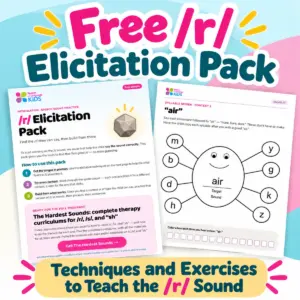
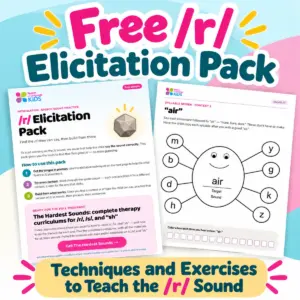
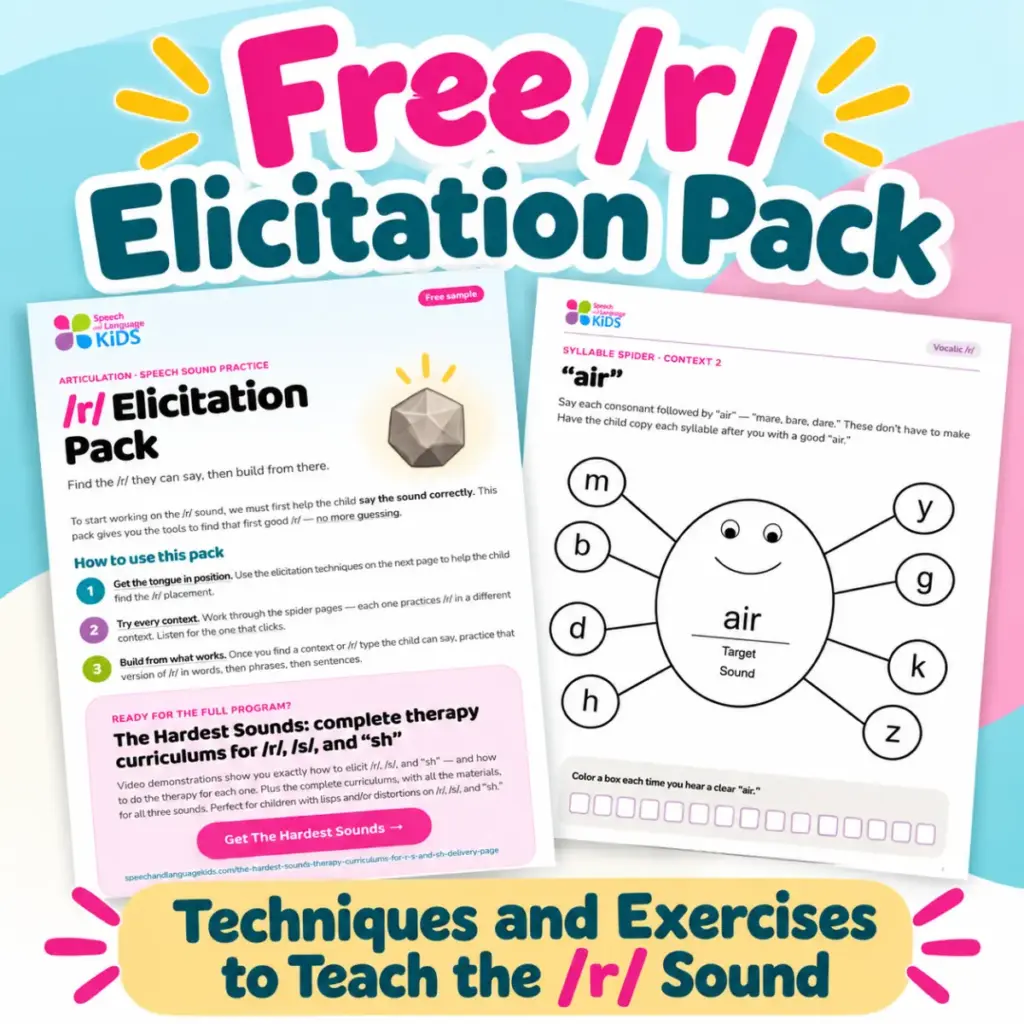
For those actively working in the field or seeking to refine their clinical practice, the availability of specialized materials is a significant asset. These materials, such as the /r/ Elicitation Pack, are curated to provide a structured yet flexible toolkit for establishing the sound. These packs often contain a range of techniques, from preparatory exercises that build the necessary tongue strength and dexterity to targeted drills that help transition the student from the initial elicitation phase toward the production of the sound in isolated environments. Having access to a structured set of exercises ensures that the therapist is not relying on trial and error alone, but is instead utilizing evidence-based strategies that have been proven effective in clinical settings.
The journey toward mastering the /r/ sound is rarely instantaneous. It requires a sustained commitment from both the therapist and the student. The process of establishing the sound is a delicate balance of physical conditioning and auditory training. As the student begins to gain control over their articulators, the focus naturally shifts from the mechanics of sound production to the integration of that sound into everyday speech. This transition is a critical milestone, representing the shift from the clinical environment to the real world, where the ability to produce a clear /r/ can have a profound impact on a student’s communication skills and overall confidence.
Ultimately, the challenge of the /r/ sound highlights the complexities inherent in speech therapy as a profession. It is a field that requires not only a deep understanding of anatomy and phonetics but also the creative capacity to adapt to the individual needs of every student. By focusing on the foundational work of elicitation and utilizing the best available strategies and resources, speech-language pathologists can help their students overcome one of the most notoriously difficult aspects of English phonology. As the profession continues to evolve, the emphasis remains on empowering students to find their voice, one sound at a time, ensuring that even the most elusive phonemes are brought within reach through dedicated, informed, and strategic instruction. The ongoing efforts to refine these techniques continue to provide essential support for those committed to helping students achieve clear and effective communication.